Top U.N., financial and vaccine officials on Thursday urged rich countries to donate excess COVID-19 vaccine doses to a program supplying lower income countries in a bid to end the pandemic and get the global economy back on track.
At an event organised by the Gavi Vaccine Alliance to boost support for the COVAX vaccine-sharing initiative, the officials appealed for another $2 billion by June for the programme, which aims to buy up to 1.8 billion doses in 2021.
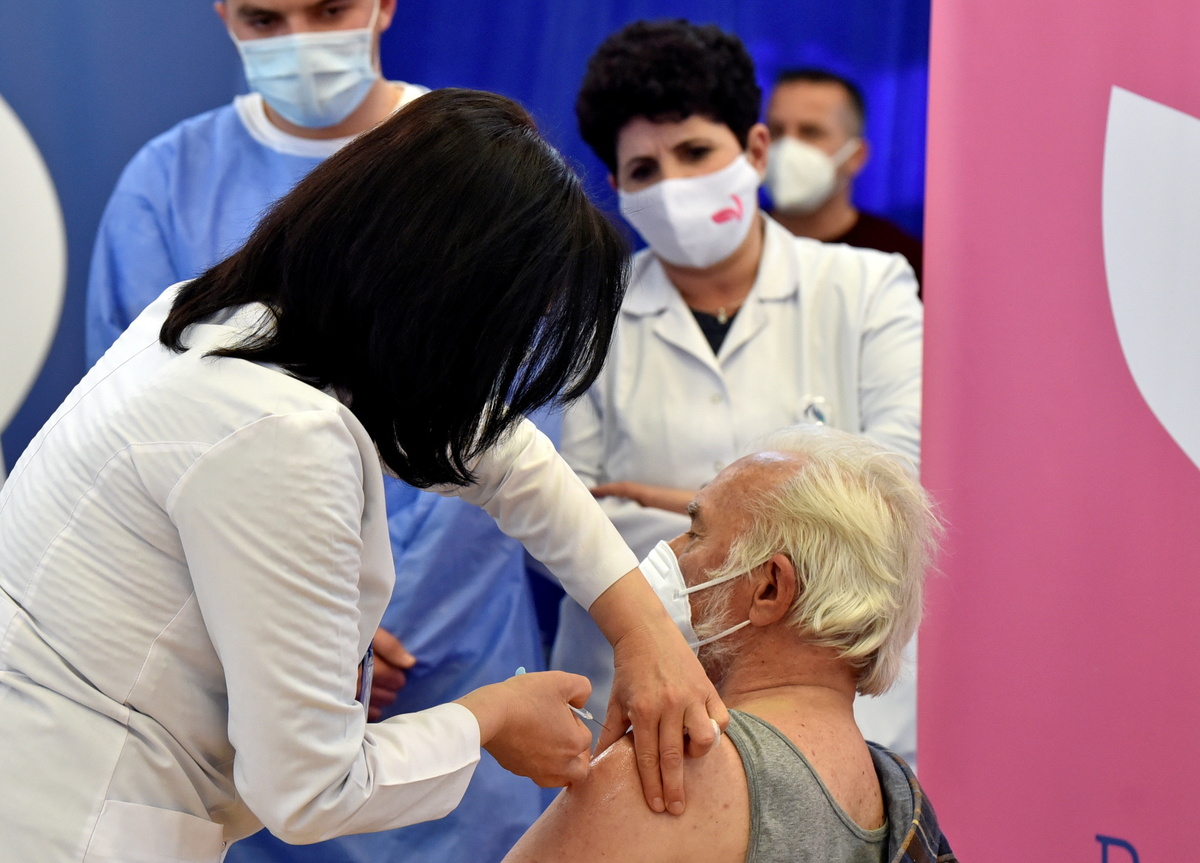
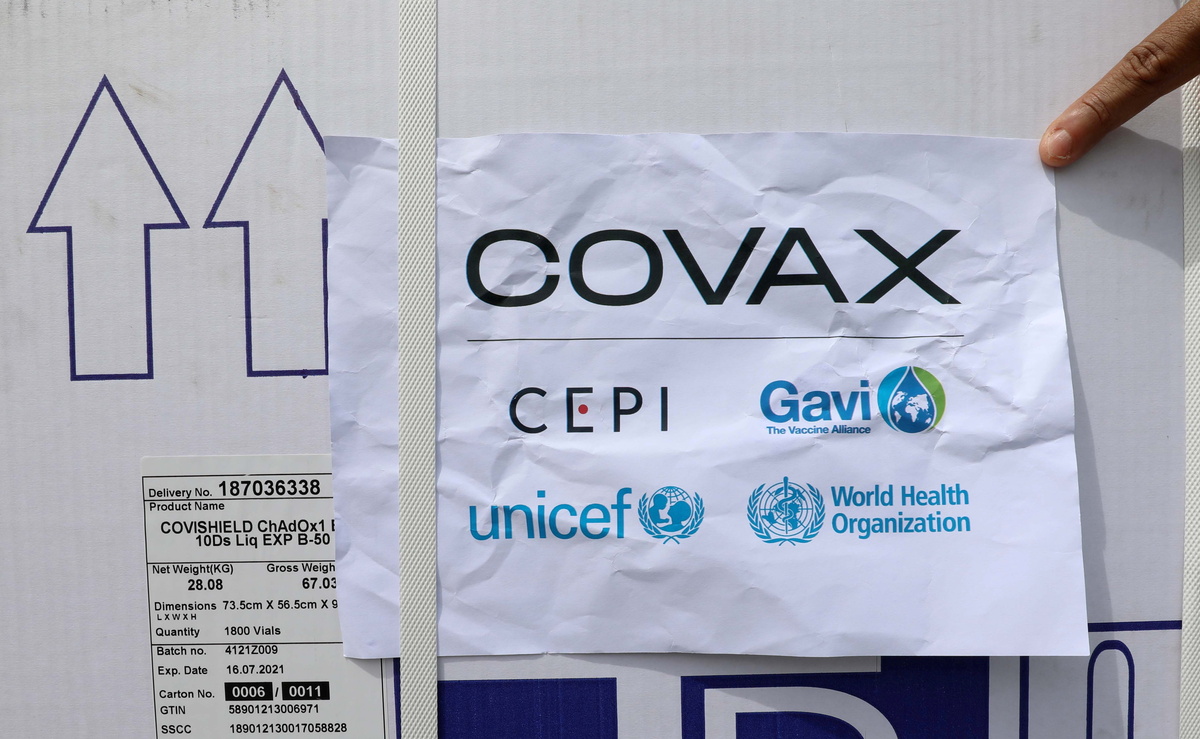
COVAX has shipped more than 38 million vaccine doses to 111 countries in seven weeks, most of them AstraZeneca's shot.
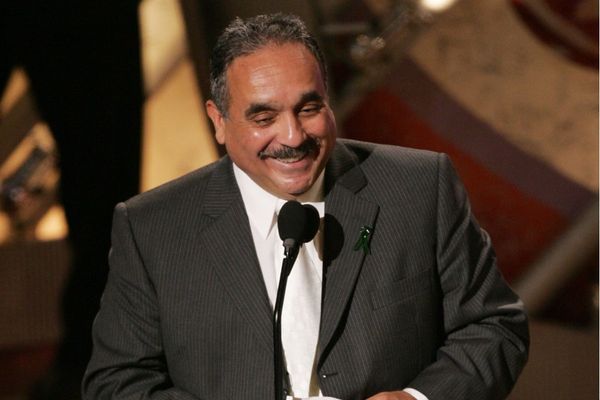
"Global supply is incredibly tight right now. But we also know that many high income countries have ordered more vaccines than they need," said Gavi Chief Executive Seth Berkley.
He urged them to share excess doses "as soon as possible to cover the high risk populations during this supply constrained period."
Berkley later told a news briefing that he expected more countries to donate excess doses. "That's really going to depend...upon when they feel comfortable politically to be able to do that."
New Zealand Prime Minister Jacinda Ardern announced a donation of enough doses to inoculate more than 800,000 people to COVAX, which is run by Gavi, the Coalition for Epidemic Preparedness Innovations (CEPI), the World Health Organization (WHO) and U.N. Children's Fund (UNICEF).
Nearly $400 million was pledged on Thursday, a statement said, including from Denmark, Liechtenstein, the Netherlands, Portugal and Sweden.
The United States, which this year donated half of a pledged $4 billion to COVAX, did not make new commitments.
"As we’re getting to that point where we're confident that every American can be vaccinated, we will be leaning into doing more around the world," U.S. Secretary of State Antony Blinken told NBC's Meet The Press on Sunday.
Blinken, addressing the Gavi event, noted that the U.S. Congress had recently provided more than $11 billion for America's global COVID-19 response.
"Many countries now have dollars available to spend on doses, but rapid deliveries aren't available. I would like to underline here the importance for countries that have the prospect of excess vaccine supplies to release them as soon as possible," said World Bank President David Malpass.
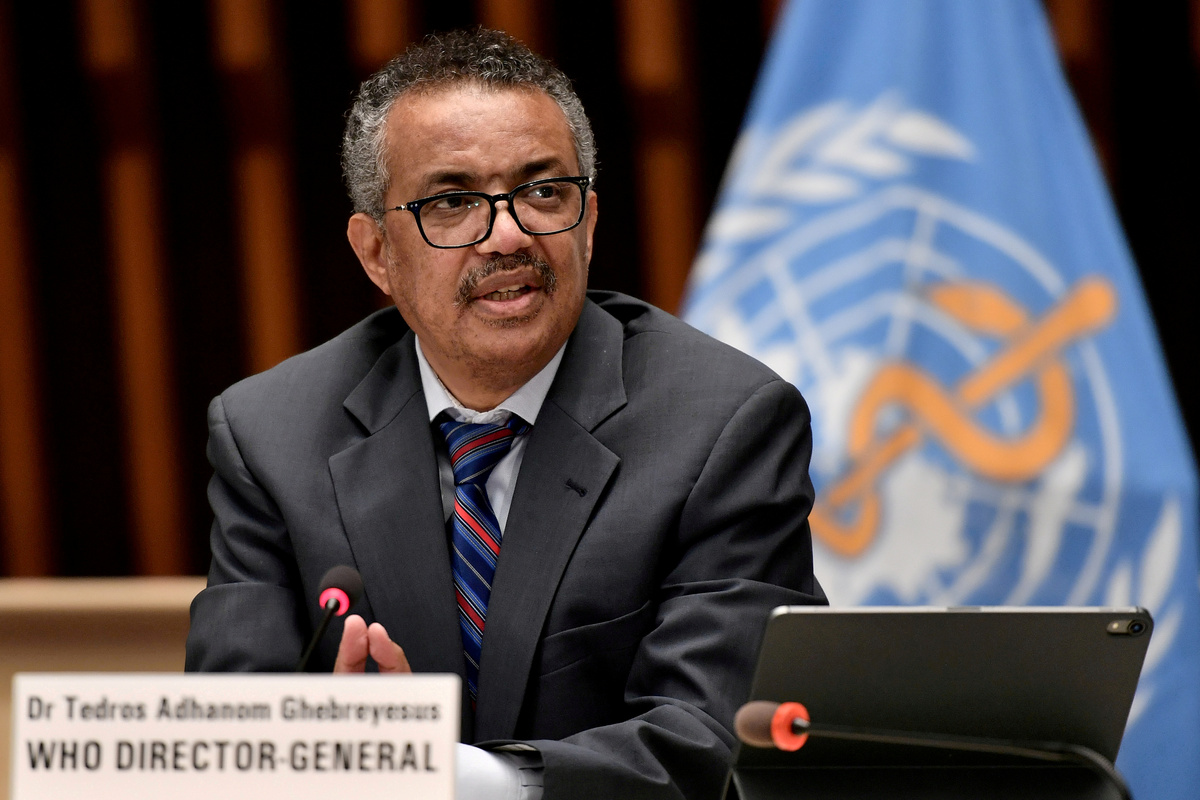
WHO chief Tedros Adhanom Ghebreyesus said some countries that signed up to COVAX had yet to receive any doses, none had received enough and some were not receiving their second-round vaccine allocations on time.
"There remains a shocking and expanding disparity in the global distribution of vaccines," he warned.
UNICEF Executive Director Henrietta Fore urged wealthier countries to invest generously in COVAX and donate surplus doses because it was the only way to end the pandemic and get "the global economy back on track."