The news that the new £5 note is made using animal fat has outraged vegans, Hindus, Sikhs and others but the extent to which the boiled caracsses of animals are used in everyday products may come as even more of a shock.
The main components in rendered animal fats can be found in thousands of everyday products, many of which are surprising.
Any products listing ingredients such as oleic, palmitic, stearic, palmitoleic, linoleic and myristic could be created using boiled animals' remains, unless they have a vegan symbol.
Here are some of the most common:
Cosmetics
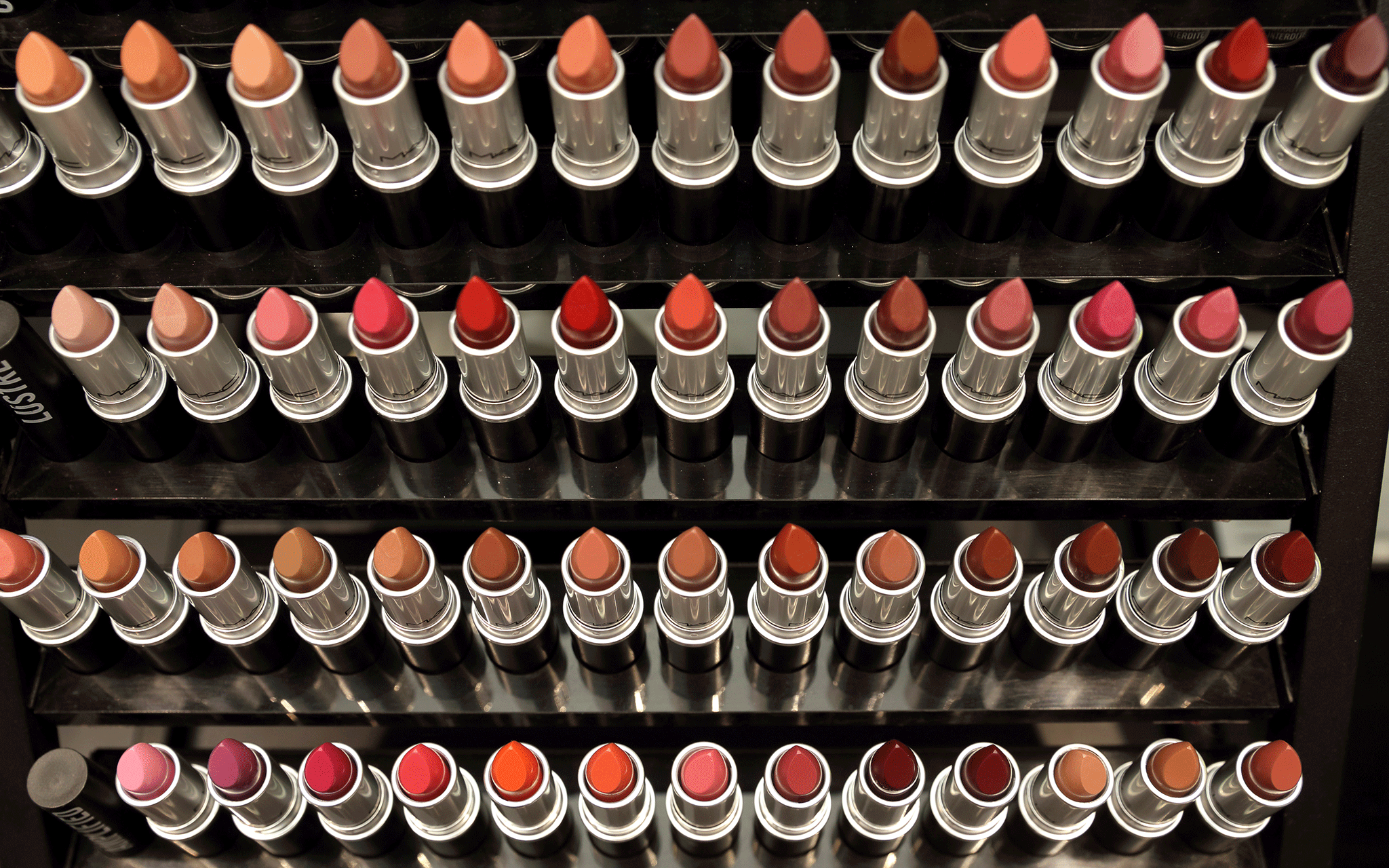
Despite the fact that tallow is thought to cause eczema and blackheads, it is commonly found in cosmetics, including lipsticks, eye makeup, foundations, and shaving creams.
Plastic Bags

Another reason to buy a non-plastic bag for life - the ubiquitous carrier bag contains animal fat to stop the plastic sticking during manufacture, which is the same reason as the new £5 note.
Bike tyres

Cycling to work may be a way to reduce your carbon footprint but the rubber in many bike tyres also contains stearic acid derived from animal fat.
Crayons
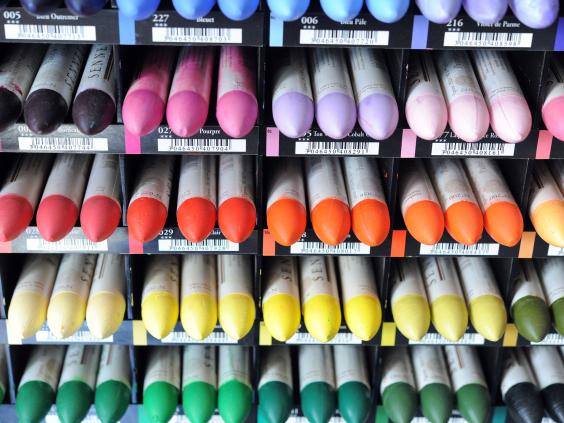
Yes, even kids crayons can contain processed beef fat to create the texture. It is also what gives them the distinctive “crayony” smell.
Soaps and detergents
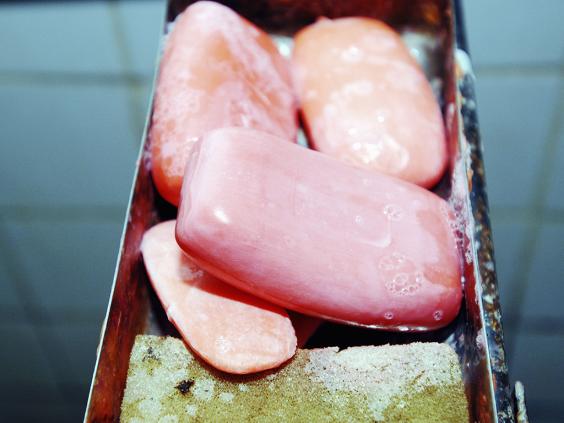
Those who don’t like the idea of cleaning themselves with animal fat should be aware that it is a main ingredient of many bars of soap. Fabric softeners also commonly contain it, though there are lots of animal-free alternatives available.
Latex
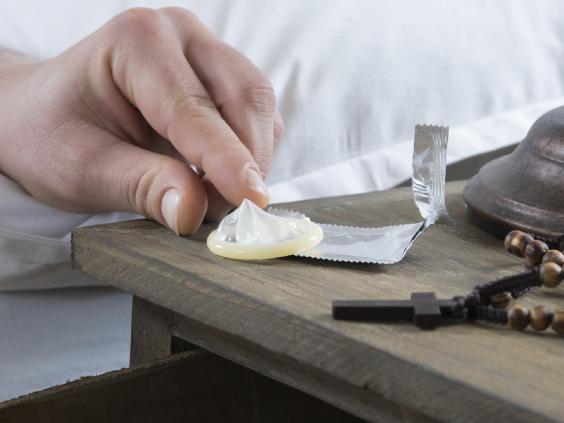
While they don’t contain tallow, many latex products - including some condoms - contain glycerin, another substance derived from animal fat.
Toothpaste
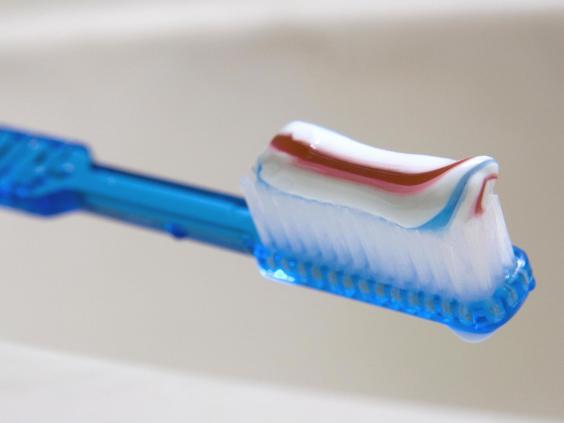
Glycerin is also a common ingredient in many toothpastes and, though it can be made from plants it is cheaper to derive from animals, so if you don’t like using bone marrow to clean your teeth,
Candles

For similar reasons to crayons, animal fat is also found in millions of candles.