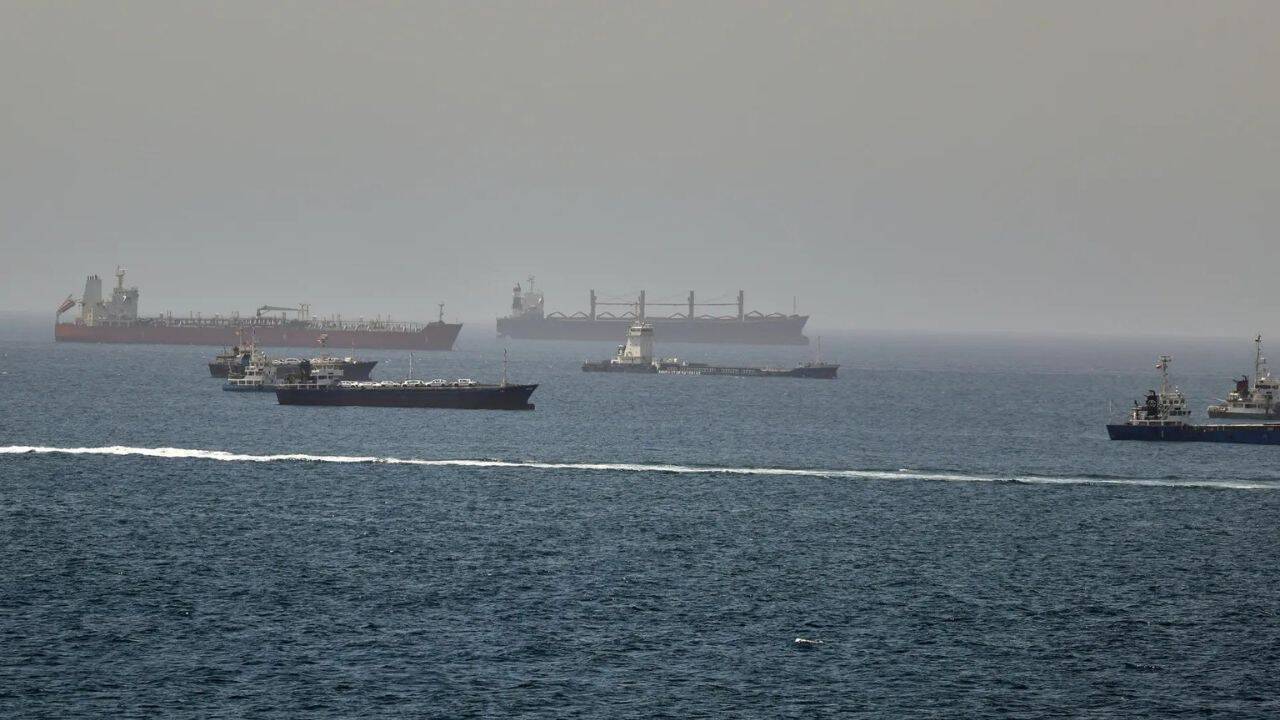
Uncertainty over the future control of the Strait of Hormuz and the possibility of toll charges for passing vessels continue to cast a shadow over efforts to secure a lasting peace agreement, despite signs of recovery in maritime traffic following the interim Iran-US deal.
Get breaking news anytime, anywhere. Download the TOI app now!
According to maritime analytics firm Kpler, 71 ships transited the Strait of Hormuz between Friday and Sunday, including 35 crossings on Saturday.
The increase signals a gradual return of shipping activity after months of disruption caused by the conflict.
However, traffic remains significantly below pre-war levels. Before hostilities erupted earlier this year, the strategic waterway typically handled between 100 and 130 vessel crossings per day, highlighting the continued caution among shipping operators, Kpler said.
The main central shipping corridor is still mined and closed, forcing vessels to rely on alternative northern and southern routes through Iranian and Omani waters, according to AP report.
Dispute emerges over potential tolls
The interim agreement temporarily suspends tolls for 60 days. However, Iran has recently indicated that vessels are still expected to register with the Persian Gulf Strait Authority.
Meanwhile, US President Donald Trump has suggested that Washington could impose its own charges on shipping if negotiations fail to produce a final agreement, arguing that the United States provides security for regional maritime traffic.
The proposal has generated concern among shipping companies and maritime organisations.
The Strait of Hormuz is one of the world's most important maritime chokepoints, connecting the Persian Gulf to global markets.
A significant share of global oil, natural gas, fertilisers and other commodities passes through the narrow waterway each day. Any disruption has immediate consequences for energy prices, trade flows and global inflation.