Architecture is a narrative of time, people and place in history, a concrete evolution from small-scale structures like traditional houses to today's large public complexes. At present, there are only a few remaining iconic old buildings, especially in the downtown area of Bangkok where land is getting more expensive every year, mainly in prime locations. As the city's progress can't be stopped, a solution needs to be found to preserve our shared history.
That said, it has been decided that some historic architectural structures will be renovated and redeveloped into new buildings to be in line with urban expansion planning and movement of the city.
Recently, there have been outpourings of concern regarding the Scala movie theatre and Hua Lamphong train station, two historical structures that could be renovated and redeveloped to form parts of mixed-use compounds, integrating the old with the new.
The Scala is famous for its iconic design and its importance in the Thai movie industry since it first opened in 1969. Block A, a parcel of land owned by Property Management of Chulalongkorn University (PMCU), including the Scala and some other buildings, will be redeveloped by Central Pattana Plc into a mixed-use building.
The art-deco design and structural details of the theatre will be preserved though 3D scanning as Central Pattana plans to redevelop the Scala while also preserving parts of its original structure.
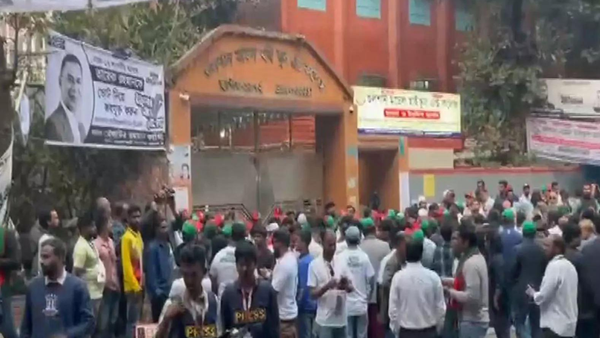
Meanwhile, Hua Lamphong, which is scheduled to close on Dec 23 after 105 years of operation, is to be renovated and redeveloped as part of a mixed-use development by the State Railway of Thailand (SRT). The station's iconic arched roof and its neo-renaissance decorations will be preserved, while the surrounding area is planned to be developed into different functions.
Concerns are being raised about the appropriateness of touching these two properties. But proponents of redevelopment say the value and heritage of historical buildings could be diminished, as deterioration is inevitable as time passes and behaviour changes.
New generations might not even know about the existence of these structures, but their redevelopment could help bring back those memories and their worth.
For example, not many people knew what Lhong 1919 was before its renovation in 2016 into a commercial property. The popular attraction on the Chao Phraya River used to be a key historic port and warehouse for overseas trading. Meanwhile, the renovation of Bangkok's old Customs House could also revitalise this abandoned building in the public eye as it is planned to be redeveloped into a luxury hotel.
Such integration of old and new has been very common in the hotel industry where developers acquire land with historical architecture and choose to renovate and preserve portions of the original structure, creating hotel facilities with stories to tell and attract guests.
Baan Sathorn, more popularly known as The House on Sathorn, is a significant example of the conservation of our cultural and architectural heritage. Built in 1889 as a private residence, the land came under the ownership of the Crown Property Bureau, which later leased it to the Russian Embassy until the lease expired in 1999. The current lessee renovated the heritage structure and turned the house into a famous bar with a meeting and wedding venue.
The House on Sathorn is situated at the main entrance of W Bangkok, a hotel on the adjacent land. The house remains an iconic structure that tells stories of the past to hotel guests and visitors.
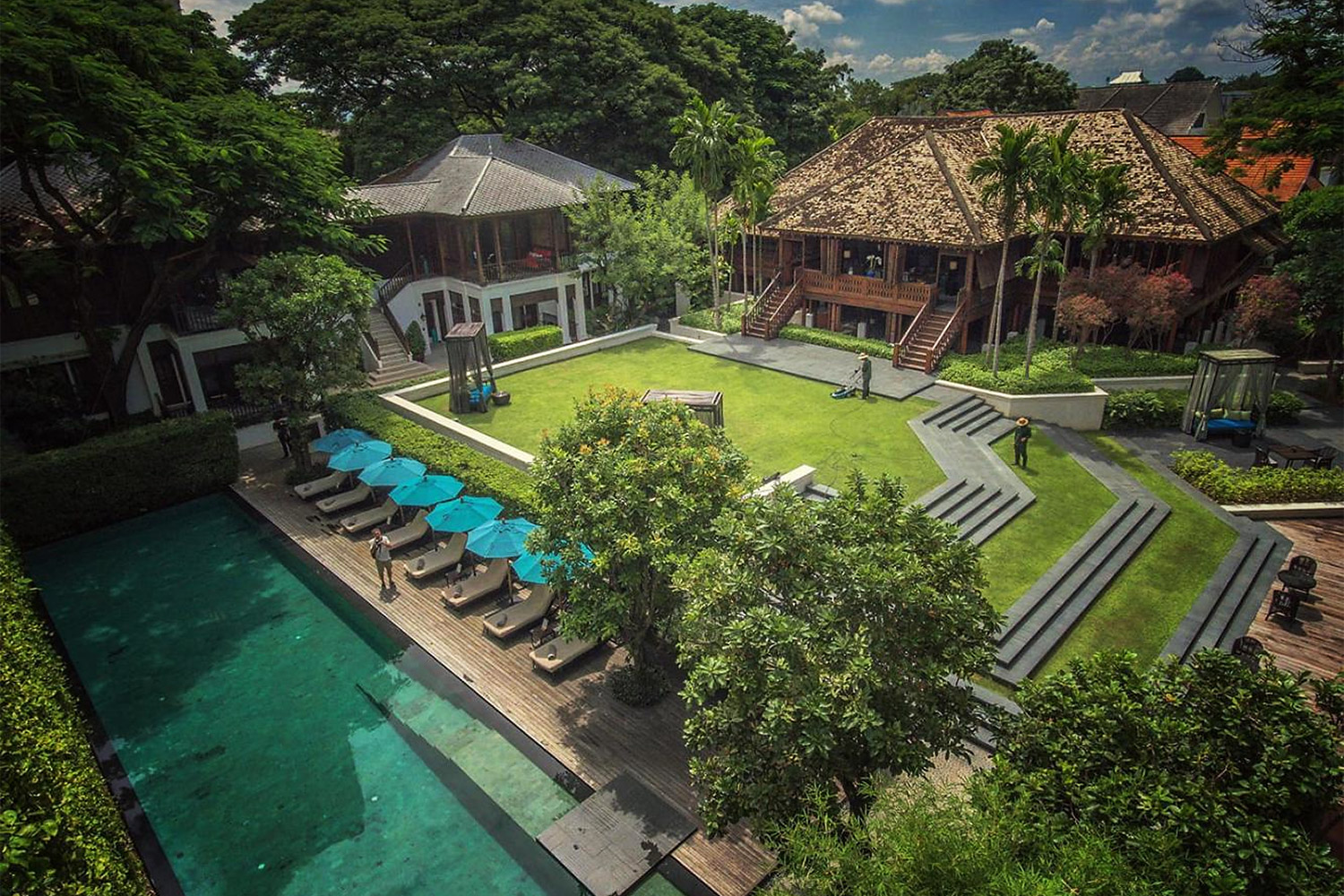
In northern Thailand, 137 Pillars House in Chiang Mai builds its story around a teak wood building that dates back to the 1800s, which was owned by a Dutch trader. It provides us with a glimpse of the past where the number of pillars signified social status in the Lanna era.
With care and the right planning, redevelopment of historical architecture helps preserve and bring back momentous value of some dated properties, drawing our attention back to them once again.
Yanisa Dechwattanatam is an analyst at Research and Consulting, CBRE Thailand. She can be reached at bangkok@cbre.co.th