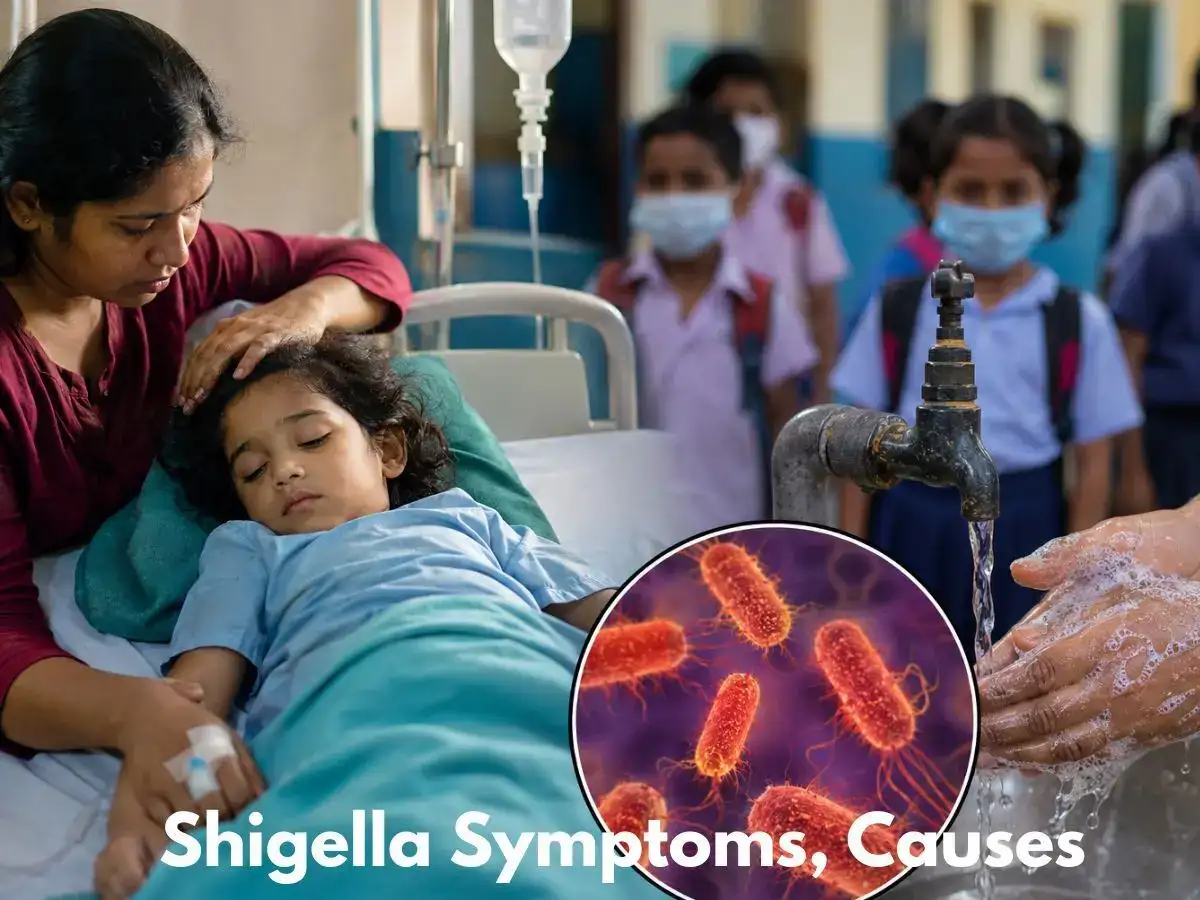
Kerala’s health machinery has intensified surveillance and testing after a four-year-old girl from Kozhikode died from a Shigella infection, marking the state's first reported fatality linked to the disease. The death has prompted health authorities to strengthen monitoring in schools, review sanitation measures and track fresh cases across multiple districts. With more infections being reported, especially among children, public attention has shifted to understanding how the disease spreads, its symptoms and the precautions needed to prevent outbreaks.
Kerala reports first Shigella-related death
The victim, Nila, a four-year-old girl from Thalakkulathur in Kozhikode, was undergoing treatment at the Medical College Hospital after testing positive for Shigella infection. Two other children admitted alongside her recovered, but Nila succumbed to the illness, becoming the first known fatality from Shigella in Kerala.
Following the incident, health officials stepped up disease surveillance and preventive measures across the state. Authorities have identified at least 126 Shigella cases in recent weeks and say the situation remains under close observation.
Districts under heightened surveillance
Kozhikode remains the primary focus of health monitoring efforts because the fatal case was reported there. However, surveillance has expanded to other districts as well.
In Wayanad, two students from a school recently tested positive for the infection, triggering contact tracing and additional testing. Officials also convened a review meeting to assess the situation and strengthen preventive measures.
Meanwhile, in Sulthan Bathery, more than 160 children reported stomach-related illnesses. Preliminary assessments have not linked those cases to Shigella, but authorities continue to examine water sources and monitor schools.
Health teams are also keeping a close watch on Alappuzha and Pathanamthitta, where around 120 cases have been reported.
What is Shigella infection?
Shigella is a bacterium that infects the intestines and causes a disease known as shigellosis. It is highly contagious and can spread rapidly within communities because only a small number of bacteria are needed to cause infection.
The disease usually spreads through the faecal-oral route. Contaminated food, drinking water, hands, utensils or surfaces can transmit the bacteria when microscopic traces of infected stool enter another person's mouth. This makes schools, daycare centres, crowded households and places with inadequate sanitation particularly vulnerable to outbreaks.
Shigella symptoms
Symptoms typically appear one to three days after infection.
Common signs include:
- Diarrhoea
- Stomach cramps
- Fever
- Abdominal pain
- Nausea
- Vomiting
In some cases, diarrhoea may become severe and contain mucus or blood.
Children are particularly vulnerable because they can become dehydrated quickly. Warning signs of dehydration include sunken eyes, dry mouth, unusual tiredness and reduced urination.
Shigella: Who faces the greatest risk?
Although anyone can contract Shigella, certain groups are more likely to develop severe illness.
These include:
- Children below five years of age
- Elderly individuals
- People with weakened immune systems
- Cancer patients
- People living in overcrowded or unhygienic environments
Schools and daycare centres often become hotspots because young children may not always follow proper hand hygiene practices.
Why can Shigella become dangerous?
Many patients recover within a week, but complications can arise if treatment is delayed or dehydration becomes severe.
The infection can lead to:
- Serious dehydration
- Electrolyte imbalance
- Inflammation of the intestines
- Severe illness requiring hospitalisation
- Rarely, death
The risks are higher for infants, older adults, malnourished individuals and those with compromised immunity. Health experts advise seeking medical attention promptly if symptoms worsen or persist.
How is Shigella infection treated?
Preventing dehydration remains the most important part of treatment.
Doctors generally recommend:
- Oral rehydration solutions
- Adequate fluid intake
- Rest
- Monitoring for warning signs of worsening illness
In severe cases, antibiotics may be prescribed based on laboratory findings. Medical experts also advise against self-medication or the use of anti-diarrhoeal drugs without professional guidance.
Why Shigella prevention is critical now
Health authorities stress that Shigella infections are largely preventable.
Key preventive measures include:
- Washing hands thoroughly with soap
- Drinking safe and treated water
- Cooking food properly
- Storing food hygienically
- Maintaining clean toilets and sanitation facilities
In response to recent cases, Kerala’s health department has increased inspections of eateries and public kitchens. Officials have also warned of strict action against establishments that fail to maintain hygiene standards.