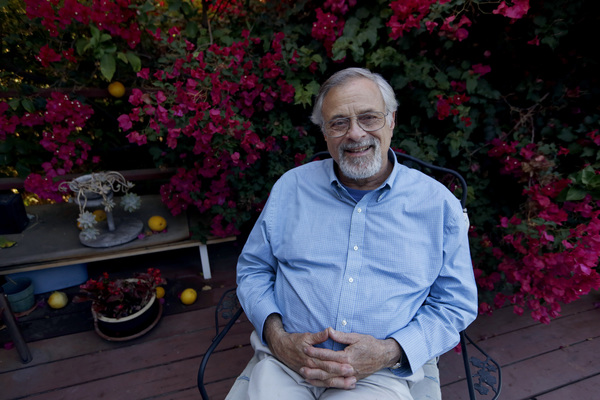
LOS ANGELES _ Bob Stone sat at his dining room table and twisted open 90 red capsules, one by one. From them he collected a small pile of powder.
In an hour, when the sun finished setting outside his Silver Lake home, he would use the drug to end his life.
Stone mixed applesauce with the powdered secobarbital, a powerful sedative that is fatal in high doses. He ate the bitter blend.
Roberta Stone, his ex-wife, sat next to him, watching. She fixed her dark eyes on a bowl filled with dozens of empty red capsules.
Then they crawled into bed, and embraced. They whispered to each other. Half an hour later, she heard him stop breathing.
Stone, 69, had been diagnosed with bone marrow cancer the year prior, and chemotherapy had failed. He was one of 111 people last year who took advantage of a new law in California allowing people with terminal illnesses to request medicines from their doctors to kill themselves.
Roberta Stone said she was grateful Bob avoided what he'd called the " hard part" _ not death, but dying. Her brother endured six weeks of agony when dying of Parkinson's, she said.
"Who would want that for someone they love, or for themselves?" she said.
The debate around physician-assisted suicide laws tends to focus on patients. But California's early experiences show the practice also has a profound impact on those left behind.
Family members have typically spent months, if not years, accompanying loved ones to doctor's appointments, sitting by hospital beds, suffering the ups and downs of treatment. They've been part of an arduous process that sometimes seemed to strip their relatives of autonomy and dignity.
A request for end-of-life drugs can inspire regret or sorrow among family and friends. But, experts say, it can also be powerful and comforting for grieving family members to know they fulfilled their loved one's dying wish.