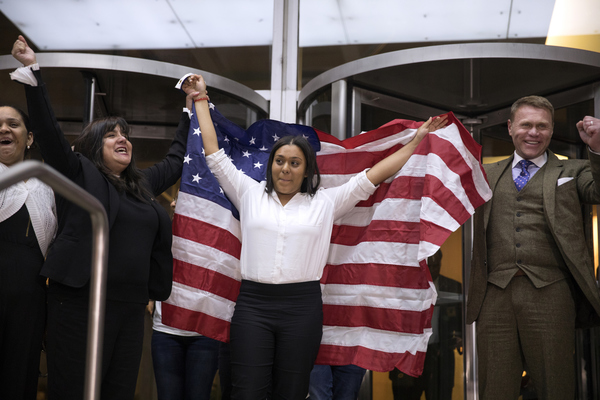
CHICAGO _ After a Chicago immigration judge granted Maryori Urbina-Contreras' request for asylum, the teen and her family _ emotional from the stress and the joy _ gathered for a meal of beans, cheese and plantains, a traditional breakfast in the girl's native Honduras.
News of the judge's Wednesday decision spread fast through newspaper and broadcast reports, and on Thursday she walked into Waukegan High School like a hero: praised for her courage by the principal, treated to a celebratory cake by a teacher and asked by school staff to help students like her.
"I woke up peaceful with a desire to go to school," she told the Chicago Tribune in Spanish. "And I have the opportunity to continue moving forward."
The teen is savoring the moment, but she knows the journey to stay in the U.S. is ahead of her. On Wednesday she spent the better part of the afternoon in a Loop courtroom looking back at her short life. How her mother fled Honduras when Urbina-Contreras was just 8 months old. How she grew up with an aunt and saw her dad infrequently. How she was robbed at gunpoint and later witnessed a fatal holdup in her gang-infested community, and then decided she couldn't take it anymore.
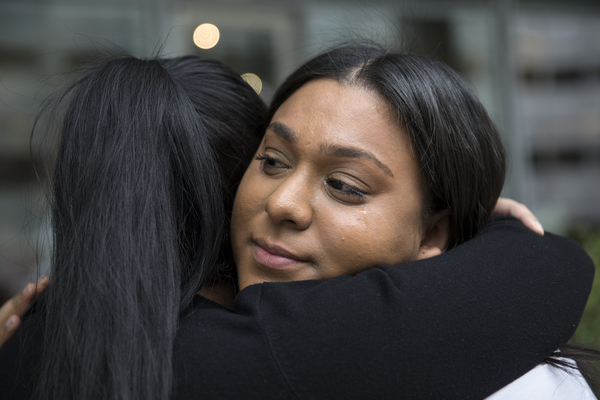
So in 2014, when she was just 13, she set off by herself, walking and riding a bus and an airboat to reach the U.S.-Mexico border, where she eventually declared to authorities she wanted to seek asylum. She was then sent to the Chicago area to live with her mother as the case slowly wended its way through the courts.
Knowing this was her last bid to stay in the country, both Maryori and her attorney stressed during Wednesday's hearing that because she was young, female and poor, returning to Tegucigalpa would almost guarantee she would be targeted by the gangs. Immigration Judge Jennie Giambastiani granted her request for asylum, which requires a petition to prove past persecution as a result of her social status.
"How could that not be persecutory to a young child?" the judge said of the incessant violence Maryori testified she witnessed.
The judge's ruling doesn't change her daily routine much _ she'll continue living with her mother, Tania Contreras, and two sisters in suburban Waukegan, going to school and looking toward a future career in medicine. But now she'll begin a two-step process to become a U.S. citizen.
To accomplish that, here's a look at what's ahead for her: