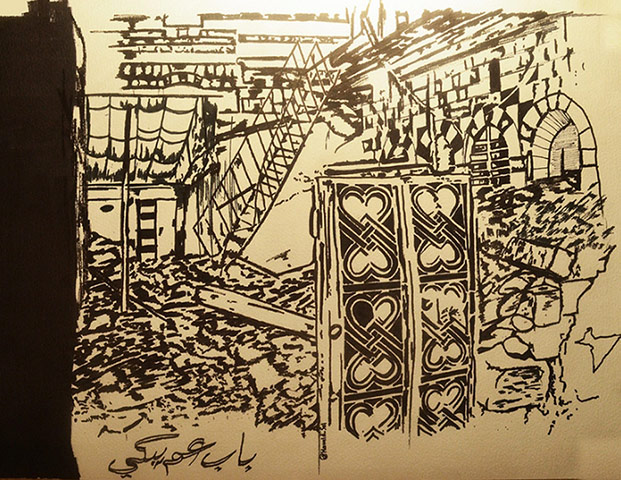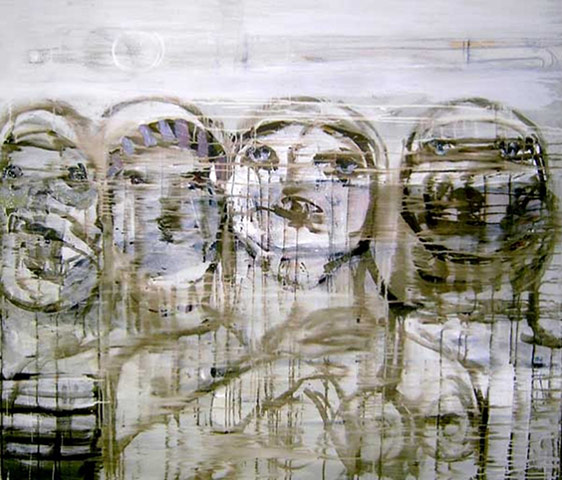
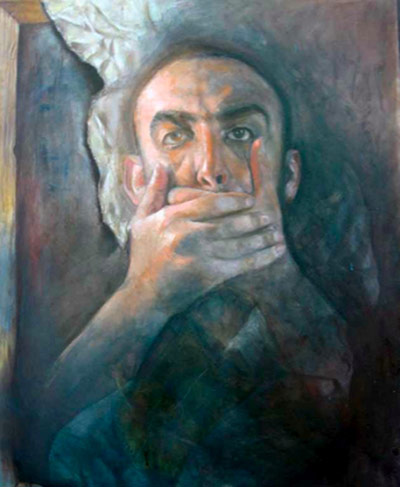
Wardeh, who still lives in Damascus, has posted pictures on Facebook but this is the first time he will be able to show his work freely. He said: 'How could it be safe to paint images of the revolution when it is dangerous even to speak the word freedom out loud in Umayad Square (in the centre of Damascus)?' Photograph: Amjad Wardeh/Gallery 8
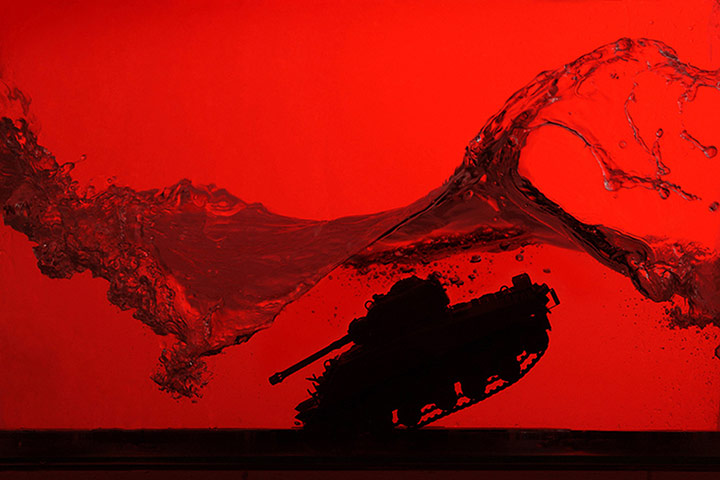
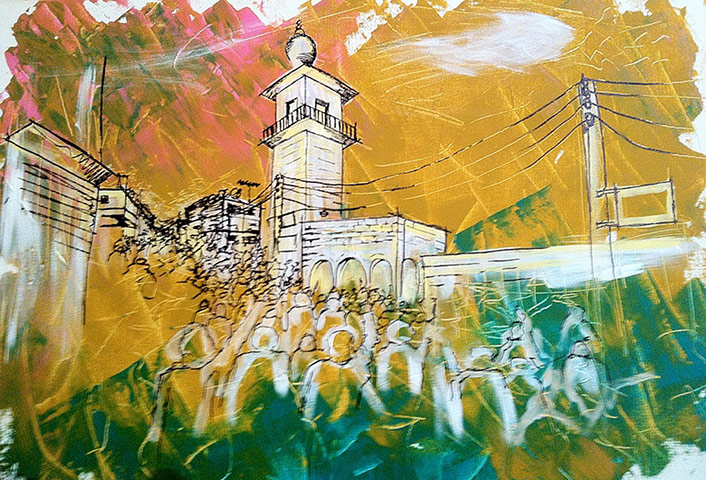
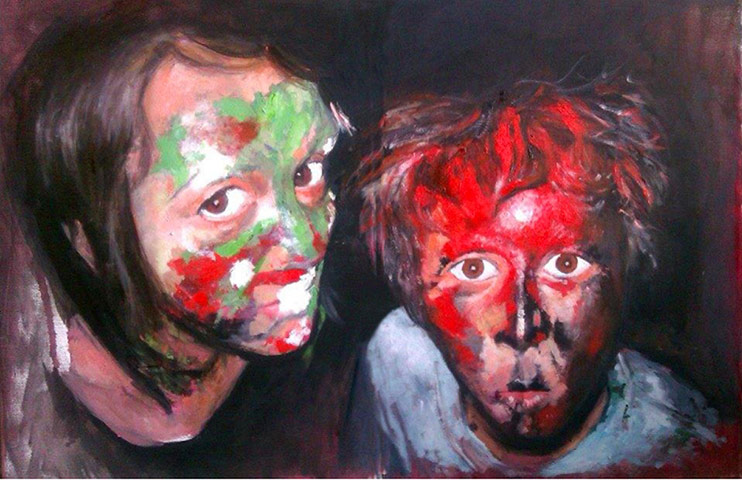
This painting marks the day the uprising began in the eponymous southern town, after schoolchildren who daubed anti-Assad grafitti were detained and tortured by the mukhabarat secret police Photograph: Hamid Sulaiman/Gallery 8
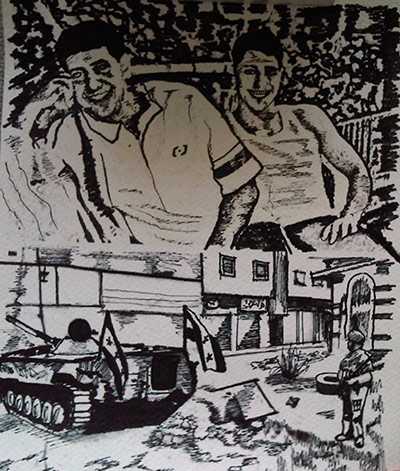
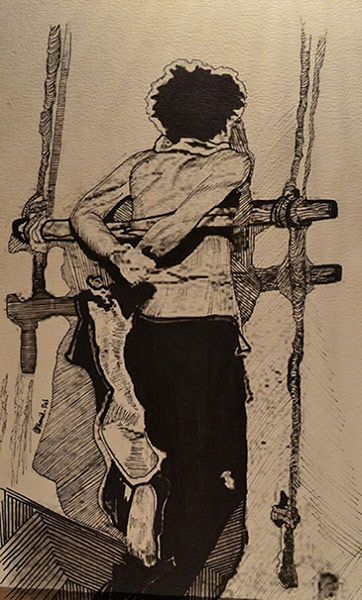
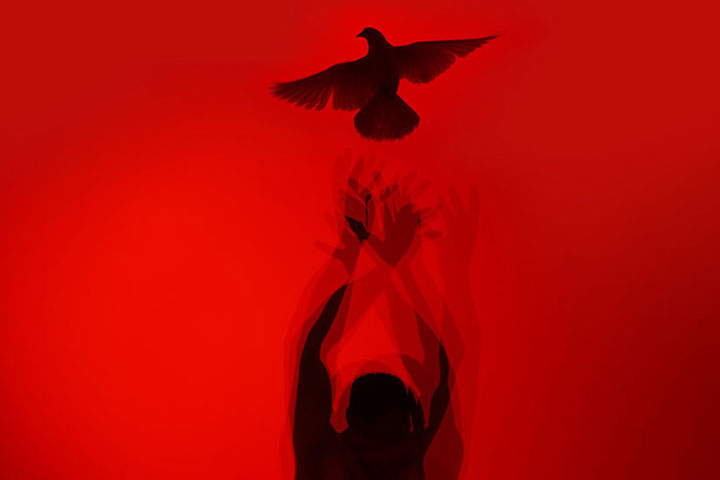
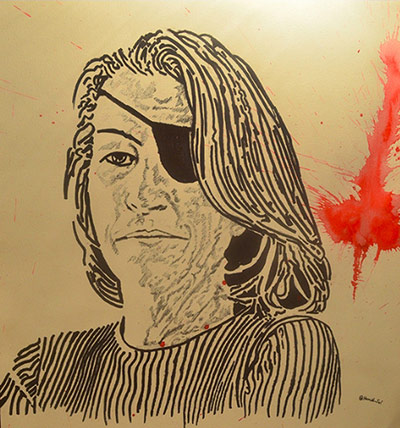
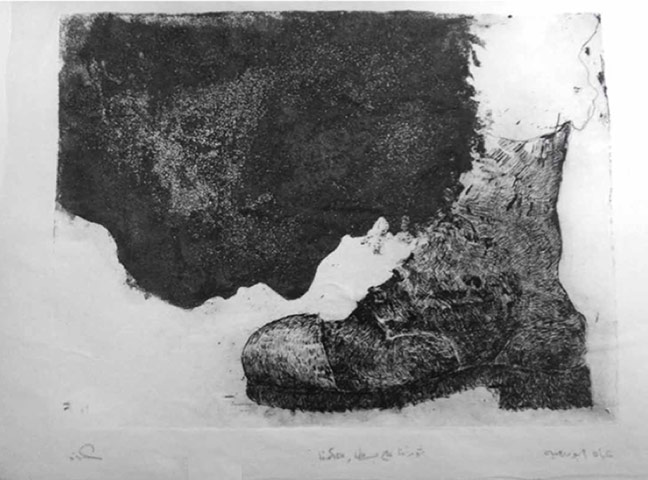
Abo Rabieh is part of a renaissance of the Syrian art scene in recent years, with a steady stream of works in chic galleries in Paris, London and Dubai Photograph: Azza Abo Rabieh/Gallery 8
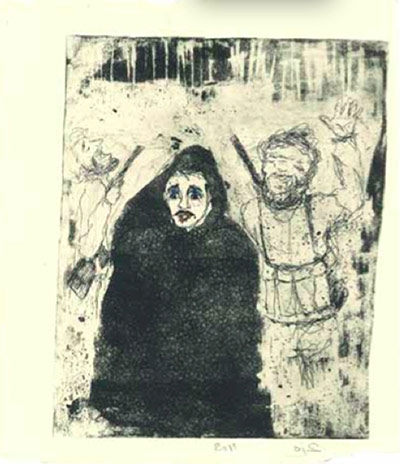
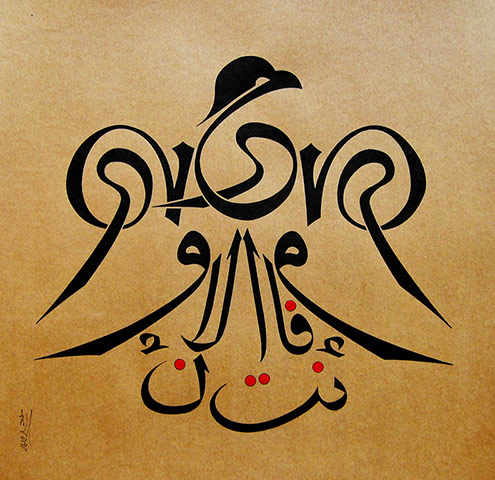
Salma, a Syrian of Palestinian origin, used the sinuous swirls of different styles of Arabic calligraphy to spell out the names of the provinces of Syria – to emphasise unity in the face of violence and rising sectarianism Photograph: Ahmad Salma/Gallery 8
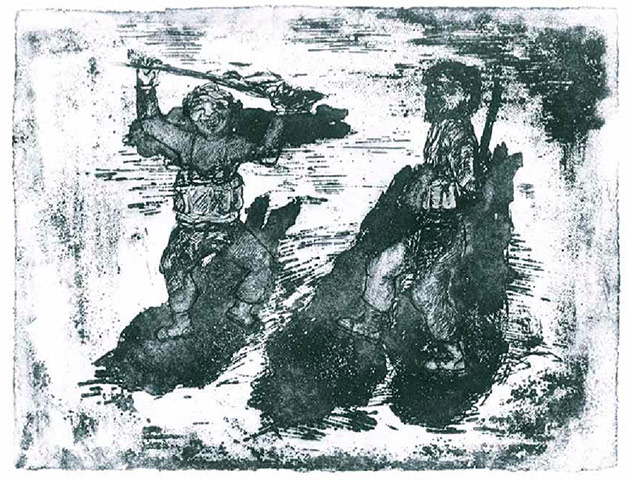
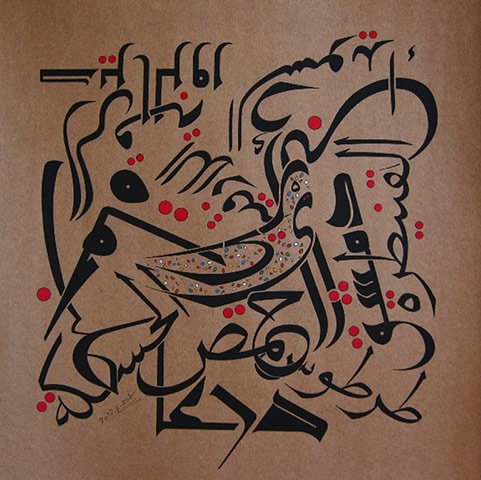
Portraying the pain and suffering of the revolution was 'really not a matter of choice', Salma explained. 'I took my works out with me when I left on a smugglers’ route via Turkey with the help of activists. It wasn’t easy' Photograph: Ahmad Salma/Gallery 8