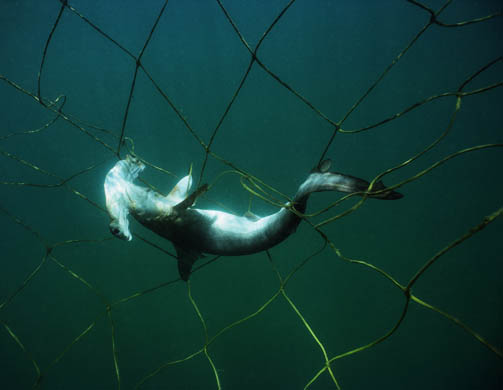
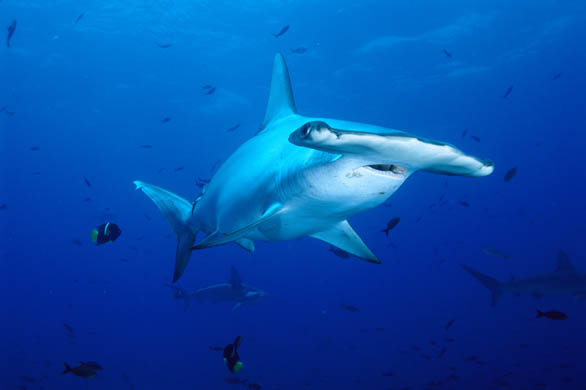
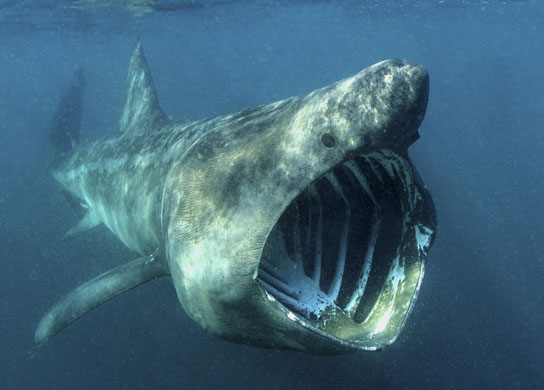
A smooth hammerhead shark (Sphyrna zygaena) caught in a fishing net. The IUCN classes the smooth hammerhead as "globally vulnerable to extinction"Photograph: Jeffrey L Rotman/CorbisScalloped hammerhead shark (Sphyrna lewini), which in some parts of the world has declined by 99% over the past 30 yearsPhotograph: Fred Bavendam/Minden Pictures/GettyThe basking shark (Cetorhinus maximus) is classed as "globally vulnerable to extinction" in the IUCN's new red list of oceanic shark speciesPhotograph: Alan James/NPL/Rex Features
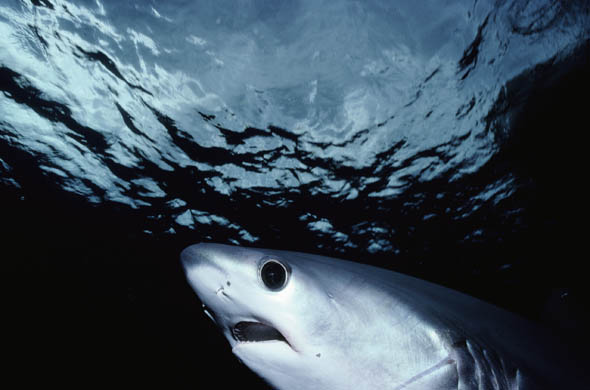
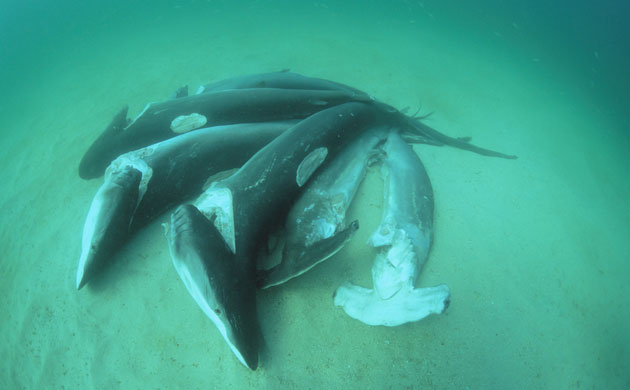
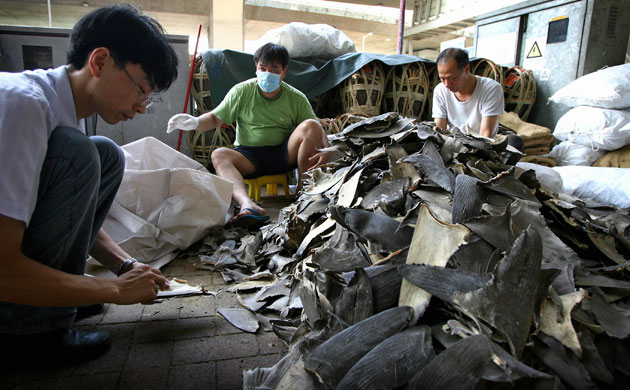
Silky shark (Carcharhinus falciformis) found in tropical and warm temperate seas. Its population has declined by an average of 50% in the north-west Atlantic since the early 1970sPhotograph: Georgette Douwma/GettyBig-eye thresher shark (Alopias superciliosus), which can grow up to 5m long. Its large eyes allow it to see at depths of up to 500mPhotograph: Jeffrey L Rotman/CorbisA blue shark (Prionace glauca) off the coast of CaliforniaPhotograph: Jeremy Stafford-Deitsch/IUCNA party of great hammerhead sharks (Sphyrna mokarran) which the IUCN now classifies as "globally endangered"Photograph: Simon Rogerson/IUCNGreat white shark (Carcharodon carcharias) – now classed as "globally vulnerable to extinction" by the IUCNPhotograph: Denis Scott/CorbisOceanic white-tip shark (Carcharhinus longimanus) – "globally vulnerable to extinction"Photograph: IUCNDead sharks lie on the bottom of the Pacific Ocean. The sharks were caught, stripped of their fins for shark-fin soup, then thrown back into the water Photograph: Jeffrey L. Rotman/CorbisSharks on display after being brought ashore at an Indonesian fishing port in Banyuwangi, East JavaPhotograph: Stringer/ReutersA fisherman cuts the fins off a shark at a fish market in Abidjan, Côte d'Ivoire. The fins are dried and then sold for 32,000 African francs (50 euros) per kilo to Senegalese or Guyanese wholesale dealers, who export them to Asian countries, notably China and Japan. The leftover meat is sold at 8,000 African francs (10.50 euros) per kiloPhotograph: Kambou Sia/AFPShark fins are prepared for sale in a Hong Kong market. Shark-fin dishes are seen as a delicacy in China, with economic growth making them affordable for a growing number of people Photograph: Andrew Ross/AFPA chef serves shark-fin soup in in Bangkok's Chinatown districtPhotograph: Kevin Foy/Rex FeaturesShark-fin soup being served at a wedding banquet in Hong Kong. The taste for shark fins is driving some of the ocean's most ancient creatures to the brink of extinction, and in the process upsetting the balance of marine ecosystemsPhotograph: PAUL HILTON/EPA
Sign up to read this article
Read news from 100’s of titles, curated specifically for you.