
At Devoted and Disgruntled a few weeks back there was a lively discussion around the RSC, including the value it offers in return for the funding it receives (around £15.5m), its role as a global ambassador as "the world's leading classical theatre company" (ACE's description) and a perceived preoccupation with the past.
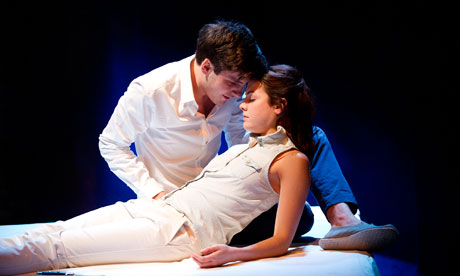
Having Shakespeare in your title doesn't mean you always have to be looking over your shoulder. As Filter's A Midsummer Night's Dream at the Lyric and Headlong's touring production of Romeo and Juliet are currently proving, Shakespeare really can be our contemporary, and while I certainly won't be voting for the abolition of the RSC any time soon, it seems a pity that it so seldom approaches the playwright with the same joy and innovation with which it approached Matilda. Too often RSC Shakespeare productions look and feel as if they could have been produced at any point over the last 25 years rather than being distinctly of our time.
At a time when the organisation is on the brink of appointing a new artistic director to succeed Michael Boyd (himself seen as a pretty radical appointment 10 years ago, when the company was carrying a big deficit), it is certainly worth thinking about what place the RSC could and should have in our theatre culture, particularly one that has changed so much during Boyd's decade-long tenure. As Susannah Clapp observed in the Observer a few weeks back, the RSC "is in a strange position: no longer unassailable as the prime interpreters of Shakespeare. The Globe grabs audiences by the scruff of the neck. The National, Donmar and Almeida have produced innovative productions; Bristol's Tobacco Factory regularly creates the most true. Then there is Edward Hall's small, rough-housing Propeller."
Clapp makes an excellent point. Companies such as Propeller and Filter frequently produce Shakespeare that feels far more inventive, modern and relevant, and at least feel as if the directors have a genuine passion and urgent need to stage that play. The RSC is often far more hit and miss with individual productions, although I reckon it remains pretty well unbeatable when it's got a big project on the go like the 2006–8 Histories Cycle. I hope that this summer's World Shakespeare Festival will bring out the best and that outside influences – Rupert Goold and the Wooster Group collaborating on Troilus and Cressida; a Baghdad Romeo and Juliet – will have a galvanising effect on an institution that is too often immune to the changes in theatre taking place beyond its walls.
More opening up to outside influences would undoubtedly help, and maybe they should start right at the top. Anyone who saw Ivo van Hove's extraordinary The Roman Tragedies or Thomas Ostermeier's Hamlet will know just how exciting Shakespeare can be in the hands of those who are not weighed down by too much reverence. It's the play, not just the verse, that's the thing.













