Last summer, I went to the Playground theatre in west London to discuss the first stage production of my play Shirleymander about Shirley Porter and the “homes for votes” scandal of the 1980s. When I arrived at Latimer Road tube station, a short walk from the theatre, I smelled the tainted air, saw the blackened husk of Grenfell Tower, and knew immediately that this would be the right play in the right place.
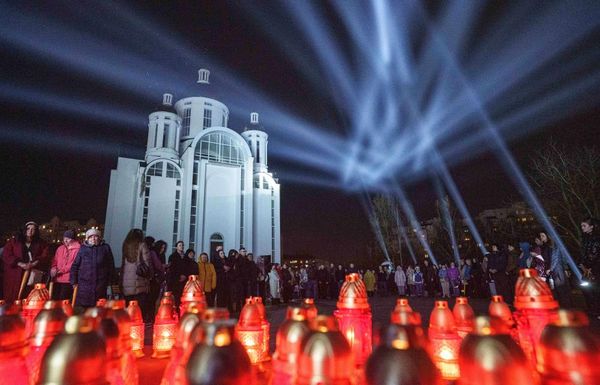
Seventy-two people died in the fire that broke out at Grenfell on 14 June 2017. Over the weeks that followed, the newly opened theatre, which is in a converted bus depot, became a space where traumatised locals could meet and talk, vent and grieve. The organisation Grief Encounter held workshops there, giving counselling and support to some of the many families directly affected by the fire.
The long dark shadow of Grenfell falls over the Playground theatre now, as it does over Kensington and Chelsea borough council and local and national housing policies going back decades.
Ten years ago, I read Andrew Hosken’s compelling book Nothing Like a Dame about Shirley Porter’s two catastrophic terms as leader of Westminster council, when she pursued policies that (in Hosken’s words) “consumed communities, reputations, lives and hopes and eventually herself”. In 1986, the Tories came within a whisker of losing this flagship London borough to Labour. Shocked by this, Porter embarked on a secretive and illegal scheme to ensure it could never happen again. She moved likely Labour voters (disabled, homeless, elderly and poor people) out of marginal wards and enticed in Tories. She put families with young children into two decaying, asbestos-contaminated tower blocks. Senior council officers were sucked into this gerrymandering conspiracy and corrupted. The atmosphere in City Hall at the time was toxic.

Porter’s plot worked. In 1990, the Tories won Westminster by a landslide. In 1991, John Major made Porter a dame for “services to local government”. A decade later, following an investigation by the district auditor, she paid more than £12m to settle a surcharge imposed on her.
I was struck by the drama inherent in these events. The insolence and inhumanity of wealth and power. Viral corruption bleeding down from the top, tainting all it touched. The ultimate, if far from inevitable, triumph of justice and decency.
The character of Porter herself seemed a gift to a playwright: autocratic, bullying, possessing vast wealth and boundless energy, yet riddled with insecurities; haunted by her late father, the barrow boy who founded Tesco.
I loved the shape of the story. In Porter’s spectacular rise and fall I saw the same hubristic arc found in Shakespearean tragedy. Dame Shirley seemed to me Macbeth with shoulder pads. Richard III in a pink velour leisure suit.
I wrote a version of the play for Radio 4. It went out in November 2009. Reviews described it as a tragic comedy, a comedy-drama. I’m fine with that. Porter’s story is full of heartlessness and hurt but there’s humour in it, too: a touch of the ridiculous to certain situations and characters; cracking jokes on the edge of the abyss. If the audience in the Playground theatre never laughs out loud, I’ll be deeply disappointed. Though I hope the laughter will feel queasy at times, and catch in their throats.
By 2015, I realised that the policies once pursued by Porter in Westminster are now being carried out by councils and developers across London and beyond. The motive has changed – in the 80s it was political advantage, now it’s money (so perfectly legal) – but the effect is the same: suffering and social cleansing. Poor families are shunted into accommodation that’s squalid and unsafe, while more suitable homes are sold off as investment properties. Young couples can no longer afford to live where they were born and raised. Perfectly liveable council estates, with long-established communities, are razed and “redeveloped” into luxury apartments.
Over the past three years, barely a week has passed without some fresh news item that rhymes with the “homes for votes” scandal. So last year I felt the time had come to revisit Shirleymander. It was never my intention to rewrite the play to shoehorn in today’s headlines, but I didn’t need to. Lines I wrote a decade ago about events in the 1980s are now more relevant than ever.
Obviously, I’m not blaming Shirley Porter for the tragedy that befell the residents of Grenfell Tower. But I believe her calculated callousness, that saw homeless people swept up like so much litter, reveals the same mindset that allowed “years of neglect” (in Sadiq Khan’s words) to result in the horror of the Grenfell fire.
- Shirleymander, directed by Anthony Biggs, runs at the Playground theatre, London, from 23 May to 16 June. Box office: 020-8960 0110.