The number of police forces in England and Wales is set to be slashed under major a major overhaul of the system.
Home Secretary Shabana Mahmood is preparing to unveil what government sources describe as the largest shake-up in decades on Monday, aimed at tackling "an epidemic of everyday offences".
Under the proposed changes, the number of forces, currently standing at 43, will be significantly cut.
The remaining, larger forces will be tasked with focusing on serious and organised crime, alongside complex investigations such as homicides.
At a local level, each town, city and borough will be designated a "local policing area", where neighbourhood officers will concentrate on community issues like shoplifting and anti-social behaviour.
Ms Mahmood believes the existing system, which requires each of the 43 forces to maintain separate headquarters and administrative staff, leads to a wasteful expenditure of funds that could otherwise be directed towards combating crime.
Sources indicate these reforms are designed to generate savings by merging back-office functions, thereby freeing up resources to invest in more police officers.
The reforms also seek to address inconsistencies in performance across forces, with ministers suggesting smaller forces often lack the necessary resources to manage major incidents effectively.
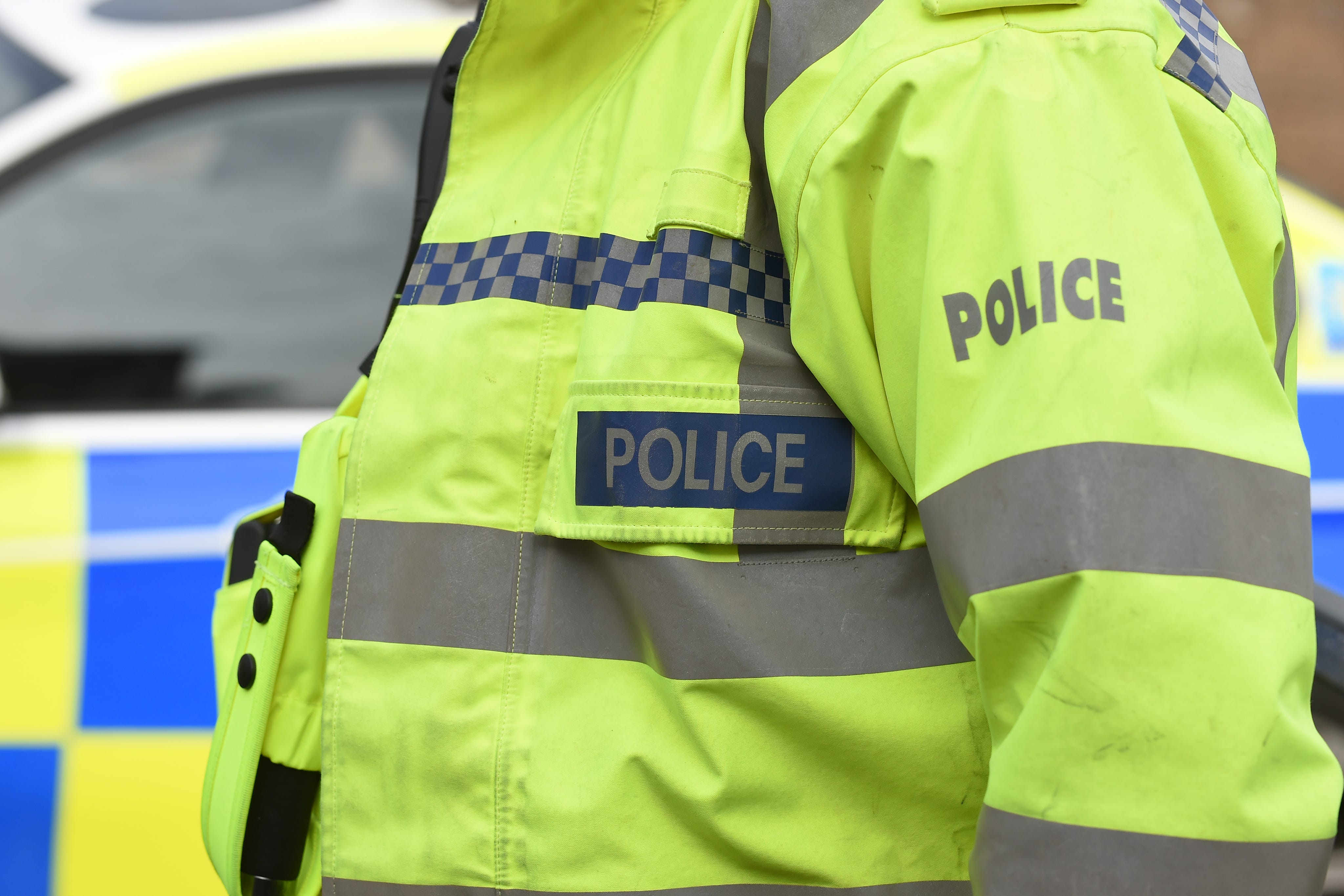
A government source highlighted Wiltshire Police's response to the 2018 Salisbury poisonings, which necessitated support from 40 other forces, as well as significant disparities in charge rates for certain offences, as key examples of the current system's shortcomings.
They said: “Under this new structure, all forces – regardless of where they are – will have the tools and resources they need to fight serious crime.
“Where you live will no longer determine the outcomes you get from your force.”
But the changes will take time to come into effect, with the mergers only expected to be completed by the end of the next Parliament in the mid-2030s.
And it is not yet known how many forces will remain after the reforms, with the number and location of the new forces to be decided by an independent review.
Similar cuts have been proposed before, with then-Labour home secretary Charles Clarke announcing plans to cut the number of police forces to 24 in March 2006.
But Mr Clarke’s proposals were abandoned by his successor John Reid just four months later after the proposed merger of Lancashire and Cumbria police forces collapsed and senior officers turned against the idea.
Allies of Ms Mahmood stressed her commitment to the reforms, saying the Home Secretary was “a moderniser” and “not scared of bold reform and a political fight”.
But Conservative shadow home secretary Chris Philp said there was “no evidence” that merging police forces would cut crime or improve performance.
He said: “Top-down reorganisation risks undermining efforts to fight crime, inevitably leading to centralised control that will hit towns and villages across the country hardest.
“The biggest force, the Met, has the lowest crime solving rates and falling police numbers. Big is not necessarily better.”
MP stands down paving way for potential Burnham return
Keir Starmer and Danish PM discuss ‘vital steps’ towards Arctic security
New radar system will keep Typhoon jets ‘ahead of adversaries’ – John Healey
Davey attacks Trump over claim Nato stayed ‘off the front lines’ in Afghanistan
Liz Hurley says alleged phone tapping by Daily Mail publisher left her ‘devastated’
Decorator died falling from ladder after tying flag to lamppost


.png?w=600)