Sexting. Belfies. Cock shots. Instagrammed abs. WhatsApp filth chats. Cam-to-cam sessions with strangers in Rio (or Hull) Xtube videos of faceless, face-sitting civil servants. Can I take your number, asks modern Britain, I’ll send you a six-minute film of me masturbating.
We’re all porn stars now. Technology hasn’t merely flung off religion’s centuries-long chastity belt but also provided live footage of people in suburban bedrooms flinging off chastity belts, metaphorically and literally. Google it. You’ll be horrified by their choice of curtains.
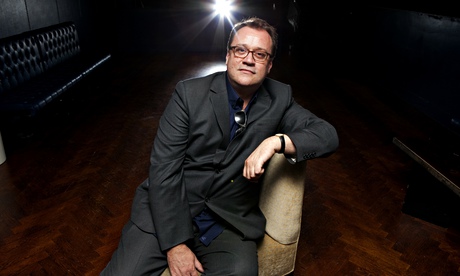
The pornification of contemporary life is so vast and so sudden we have had no time to quantify it, or even behold it. But there is deepening concern that the reduction and commodification of human beings to mere body parts – walking, talking sex toys – is having a greater effect on gay men. Russell T Davies, a screenwriter of remarkable gifts who does not so much hold a mirror up to societal sensibilities as kick them into our retinas, thinks so. He straddles the subject in his latest, much heralded gay dramas: Cucumber, Banana and Tofu.
In an interview with the Radio Times he worries that texting penis pictures “is the most normal thing in the world” among gay men, with bleak consequences. “That’s the grammar! That’s flirting! That’s extraordinary, isn’t it? That’s got to create body pressures, hasn’t it?” he added.
It certainly will not help, nestled in an increasingly narcissistic wider culture that glistens puddle-deep as we regard our reflections. But how much we should worry, and how grave the impact is on gay people – already suffering worse mental health – depends on how closely we frame Davies’ perspective. If gay people existed only online or on phones – deriving their sense of self wholly from reactions to their online sex ads – then yes, this could be catastrophic.
But they do not. And if we pan out and rewind to the gay scene of the early 90s, before Davies’ Queer as Folk awoke middle England to the wonders of rimming, gay life was no less harsh.
I was 16 and skinny when I first stepped into a gay bar in 1993. Before websites and phone apps, pubs and clubs were much more sexualised than today. No amount of online objectification compares to, say, the Brief Encounter, a long narrow bar in central London, in which one could consider it an achievement to order a pint without a stranger’s finger inserting itself somewhere.
The other great difference was the message blaring out across gay culture: you are only desirable if you are an Adonis – a “Muscle Mary”: no pecs, no sex. Many felt unwelcome, inadequate. It was, say some, a reaction to the extreme wasting suffered by thousands during the Aids crisis. I remember the dire contrast – a crowd of pumped-up tits and, in the corner, a wheelchair cradling a still-breathing skeleton. People turned away in terror. And then ran to the gym.
Now, thanks to mobiles and the internet, there is a new message: different body shapes are desirable. Plump, hairy bear? There is a market for you. Older? Click here. Skinny? Hipsters are waiting for you.
Yes, if you spend mere moments on Grindr or Scruff you will find a QC, a builder or a nurse reduced to a thumbnail fuck-me photo (it’s all terribly dignified), but there is at least some appreciation of diversity.
Progress bumbles, faltering before forging ahead. This happened with gay rights, and it will happen with gay culture. Many might sext but will also consider what it means and how it feels. The wellbeing and mental health of LGBT people has never been so prominent in conversation – just as relevant services are cut. We are, at last, contemplating the internal damage from homophobic hostility.
It is no wonder we crave distraction. We just need to put our phones down long enough to ask for support, for such services to be reinstated, and to ask those who bully, degrade and derail equality: why do you hate us? They are often easy to find. They’re the married ones lurking in gay chat rooms with their faces concealed.