More wastewater samples were collected from across the Lower Hunter on Thursday in an effort to monitor the spread of the COVID Delta strain in the region.
The statewide sewage testing program is being used to help track infections in the community and provide early warning of an increase in infections.
Samples collected from Burwood and Shortland showed very high rates of the virus while a sample taken from Belmont showed a lower rate.
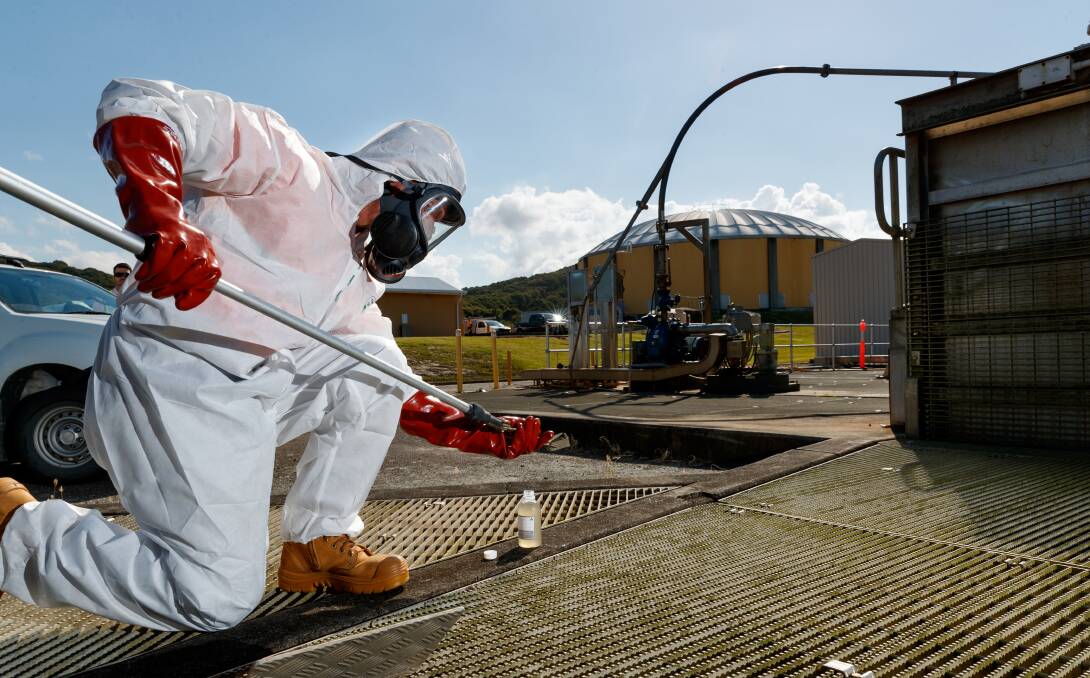
This week's announcement marked the first detection since April of virus fragments in the Burwood Beach sewage treatment plant.
Hunter Water staff collect the samples, which are analysed using specialised equipment by NSW Health.
Detergents and other substances inactivate the virus before it reaches the sewage treatment plant.
NSW Health said the sewage surveillance program is not designed to identify individuals and does not detect which household the virus fragments are coming from.
"Sewage treatment facilities serve different sized sewer catchment areas and different sized populations depending on their location. Some facilities collect sewage from over a million people from hundreds of thousands of households, while facilities in regional areas can serve large geographical areas but fewer households," a statement said.
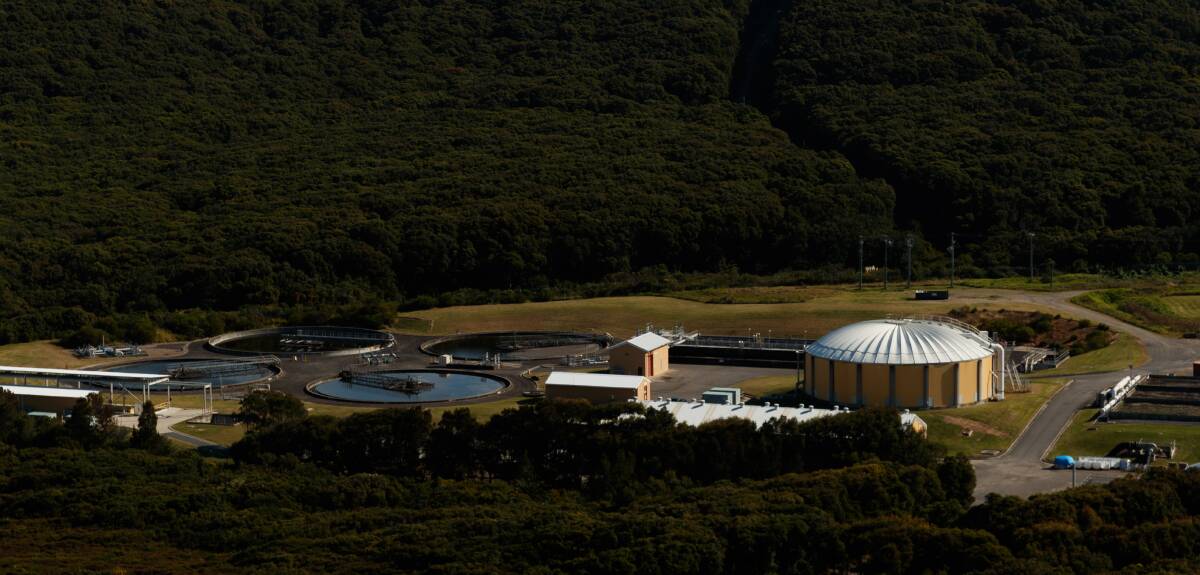
The Burwood plant serves about 225,800 people from suburbs including Dudley, Charlestown, Jesmond, Mayfield, Wallsend, Kahibah, Merewether, Waratah West and Carrington.
The Belmont plant serves about 115,000 people from suburbs including Belmont, Warners Bay, Gateshead, Bennetts Green, Swansea and Caves Beach.
The Shortland plant serves about 60,000 people from Cameron Park, Fletcher, Maryland, Shortland, Mayfield West, Stockton, Sandgate and Fullerton Cove.
Sewage is treated before discharge to the environment using ultraviolet or chlorine disinfection and is regulated by the NSW Environment Protection Authority.