Get all your news in one place.
100’s of premium titles.
One app.
Start reading
The Guardian - UK
The Guardian - UK
Environment

Severn Estuary biodiversity threatened by tidal plans

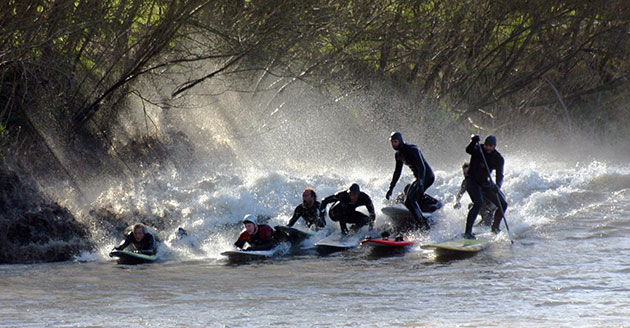
Severn Estuary Wildlife: Severn Bore
Rushing upstream at up to 15mph, the Severn rore is one of the UK’s most spectacular natural phenomena. About 80 times a year, the incoming tide and the estuary’s funnel-shape create the bore and give people the chance to surf for more than six miles in fresh water. The Severn estuary has a 14m tidal range – the drop in height of the water from high tide to low tide – the second largest in the world
Photograph: Andrew Mawby/Wild Life Trusts
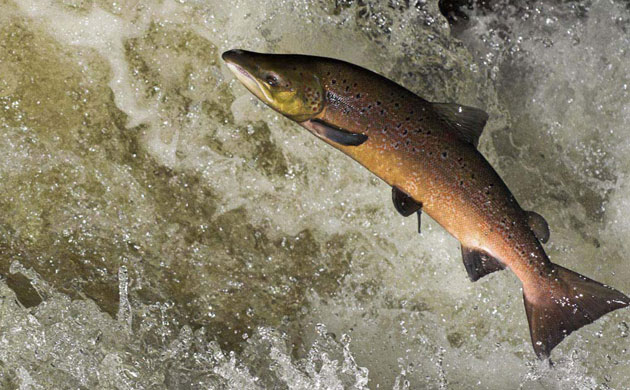
Severn Estuary Wildlife: The Atlantic salmon
The Wildlife Trusts say damming the estuary with an old-fashioned barrage would have a devastating impact. Perhaps the most iconic Severn species, the Atlantic salmon, would be rendered locally extinct
Photograph: Laurie Campbell/Wild Life Trusts
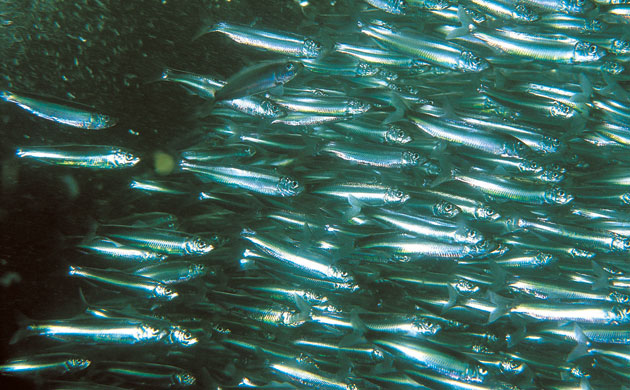
Severn Estuary Wildlife: sprats shelter in the estuary’s salt marshes
Sprats shelter in the estuary’s salt marshes during their juvenile stage. The importance of the estuary for wildlife is recognised through UK, European and international law because of its internationally important species and extensive habitat areas. By building a barrage, the Trusts say, the government would be reneging on its commitments to protect this wildlife at the highest levels
Photograph: Paul Naylor/Wild Life Trusts
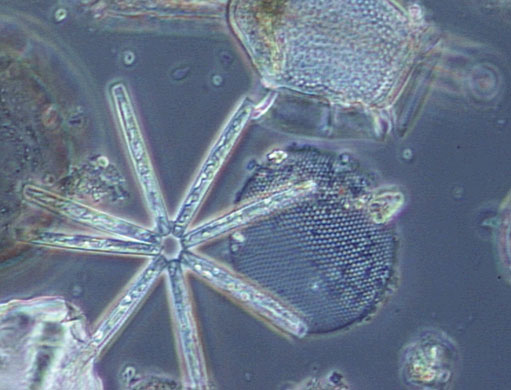
Severn Estuary Wildlife: tiny floating plants, diatoms
The rivers and sea wash billions of tiny floating plants called diatoms into the estuary. Unable to grow in the murky water, they become food for other microscopic animals. Naturalist and vice-president for The Wildlife Trusts, Nick Baker, says: 'While it can appear a little flat and featureless the Severn Estuary - like all of our estuaries - is a unique and incredibly rich environment for wildlife. The mud literally teems with little life forms - twitching mud monsters and strange chimera can be found by sieving through just a spoonful of the gloopy grey estuary mud'
Photograph: Rick Park/Wild Life Trusts
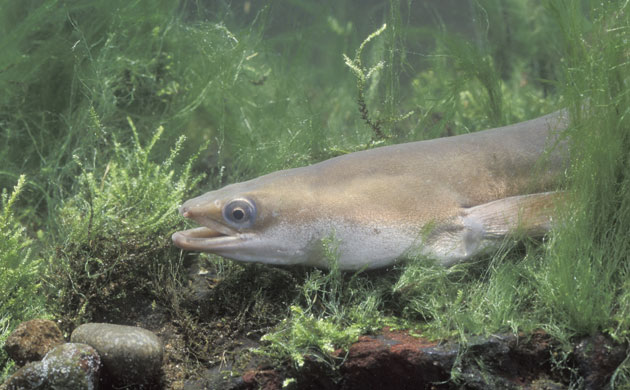
Severn Estuary Wildlife: Eel
Eels passing through the estuary hatch and die in the Caribbean, but mature in the Welsh mountains. As part of the plan to harness the second largest tidal range in the world, the government undertook a feasibility study to assess 10 proposed options. These have now been reduced to five - but do not include those that The Wildlife Trusts believe could be the least environmentally damaging
Photograph: Mike Lane/Wild Life Trusts
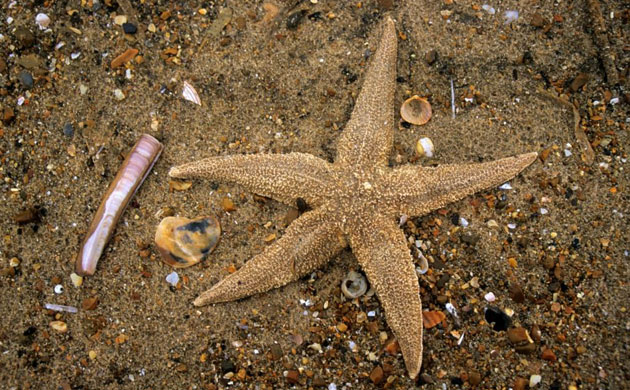
Severn Estuary Wildlife: common starfish, Asterias rubens
The estuary's ecosystem is based on relatively few species existing in huge numbers, such as this common starfish, Asterias rubens
Photograph: David Chapman/Wild Life Trusts
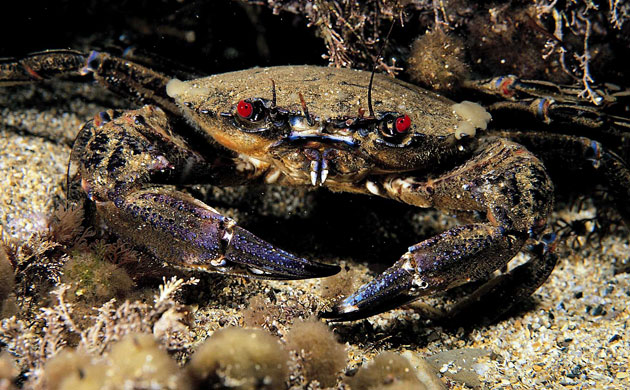
Severn Estuary Wildlife: Velvet Swimming Crab
Fast enough to catch fish and prawns, the velvet swimming crab will also take worms and molluscs
Photograph: Paul Naylor/Wild Life Trusts
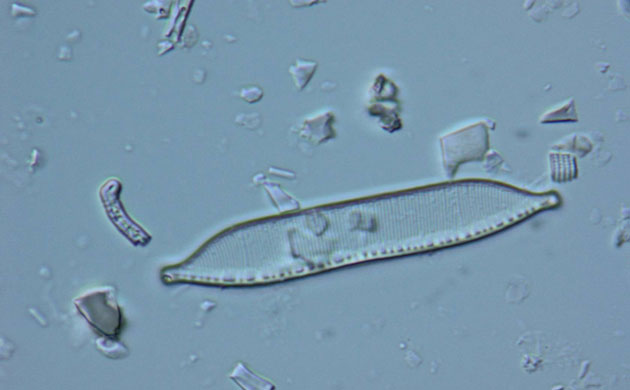
Severn Estuary Wildlife: Sand-dwelling microscopic plant
One of the humblest creatures in the estuary, this sand-dwelling microscopic plant helps to sustain all the animals higher up the food chain
Photograph: Anson MacKay/Wild Life Trusts
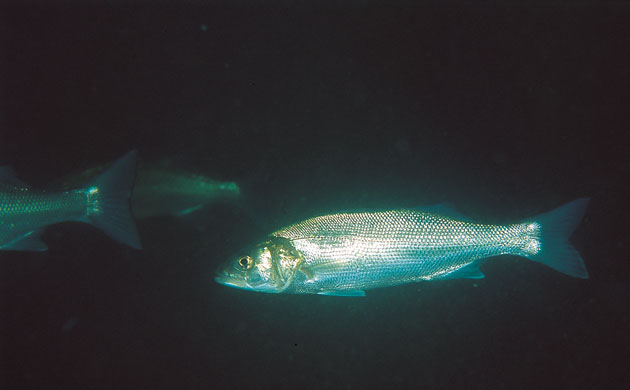
Severn Estuary Wildlife: Bass fish
A fast, voracious predator, bass grow up to 80cm long in the Estuary. They hunt in shoals, feeding on smaller fish
Photograph: Paul Naylor/Wild Life Trusts
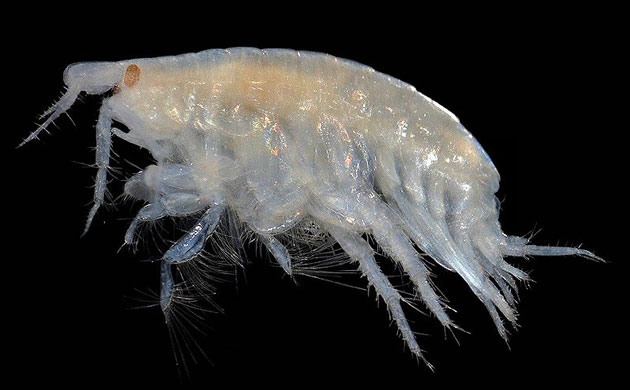
Severn Estuary Wildlife: Sand hopper form, Bathyporeia guilliamsoniana
On the estuary’s tidal sandbanks, species like this sand hopper form, Bathyporeia guilliamsoniana, the basis of the food chain. Joan Edwards, head of living seas for The Wildlife Trusts, says: 'It is no exaggeration to say the Severn Estuary is an irreplaceable part of the UK’s natural heritage ... Altering the Severn’s intertidal habitat is so risky. We have a moral and ethical obligation to ensure the best options for the natural environment are pursued. We should not consider out-dated technology which could impact on the Estuary on an unprecedented scale'
Photograph: Hans Hillewaert/Wild Life Trusts
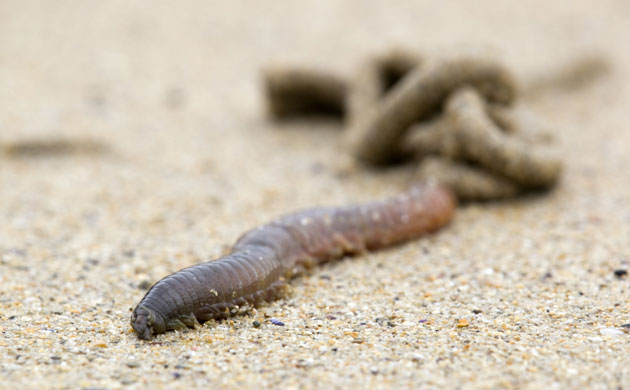
Severn Estuary Wildlife: Lugworms
With the ability to turn detritus into protein, lugworms are one of the estuary ecosystem’s key species. The trusts are asking people to write to their MP, join the campaign, volunteer or visit the estuary nature reserves
Photograph: David Chapman/Wild Life Trusts

Sign up to read this article
Read news from 100’s of titles, curated specifically for you.
Already a member? Sign in here
Related Stories
Top stories on inkl right now
One subscription that gives you access to news from hundreds of sites
Already a member? Sign in here
Our Picks
Fourteen days free
Download the app
One app. One membership.
100+ trusted global sources.