Get all your news in one place.
100’s of premium titles.
One app.
Start reading
The Guardian - UK
The Guardian - UK
Politics

Severe poverty affects 1.6m children in the UK - in pictures

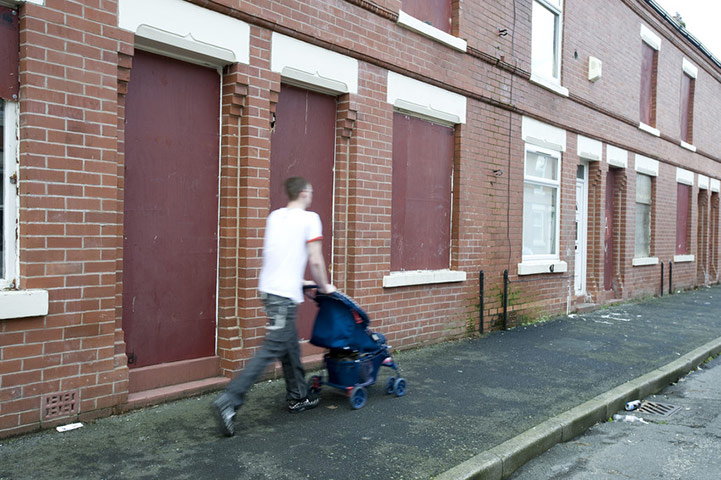
Severe Poverty: poverty boarded up houses
For the first time Save the Children has provided a local authority breakdown of the 1.6m children in the UK living in the deepest poverty. Manchester tops the chart with the highest proportion of children living in severe child poverty in the UK
Photograph: Rachel Palmer/Save the Children
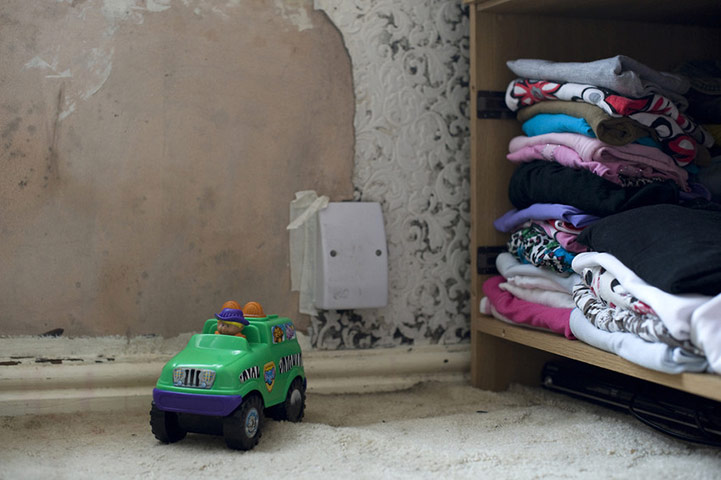
Severe Poverty: poverty damp housing
In Manchester 27% of children are living in severe poverty. For many this means living in accommodation that is riddled with damp, going to sleep at night in homes with no heating and without eating a proper meal. A family of eleven share this two bedroomed house. This bedroom is shared by a mother and four of her six children. The walls are mouldy.
Photograph: Rachel Palmer/Save the Children
severe poverty: poverty
Barbara lives with her six children, her parents and her sister’s two children in a two bedroom house in Manchester. She says, "It’s difficult living here. The house is too small. My mum sleeps in the living room with my dad. In one bedroom I sleep with my three small boys and my daughter. My boys sleep in the double bed, my daughter sleeps in the single bed and I sleep on the mattress on the floor. We don’t get much sleep. In the small bedroom my sister’s son sleeps on the bed and the other three boys sleep on the floor. I don’t think it’s good that teenagers are sharing one room. The children are tired during the day". Photograph: Rachel Palmer/Save the Children
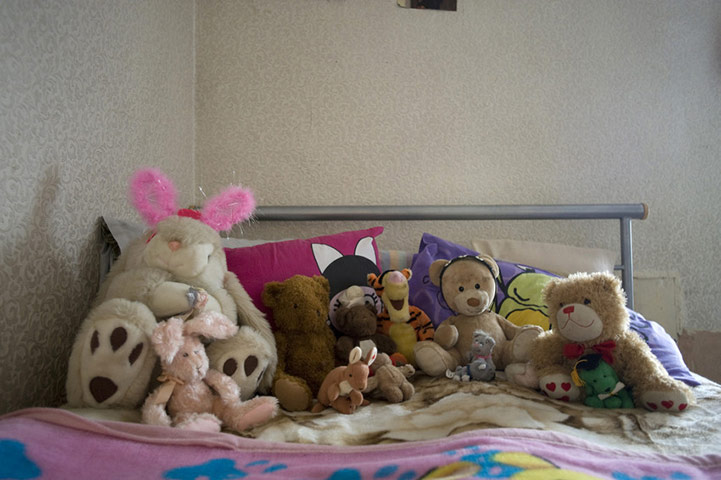
Severe Poverty: poverty over crowding
A family of eleven share this two bedroomed house. This bedroom is shared by a mother and four of her six children. Three of her youngest sons sleep in this bed.
Photograph: Rachel Palmer/Save the Children
Severe Poverty: poverty housing hackney
London has by far the highest rate of children poverty of any region. Four out of ten local authorities with the largest number of children living in severe poverty are in London. These are Tower Hamlets (27%), Newham (25%), Westminster (24%) and Hackney (22%). Around one in four children are living in severe poverty in these areas. Photograph: Rachel Palmer/Save the Children/Rachel Palmer/Save the Children
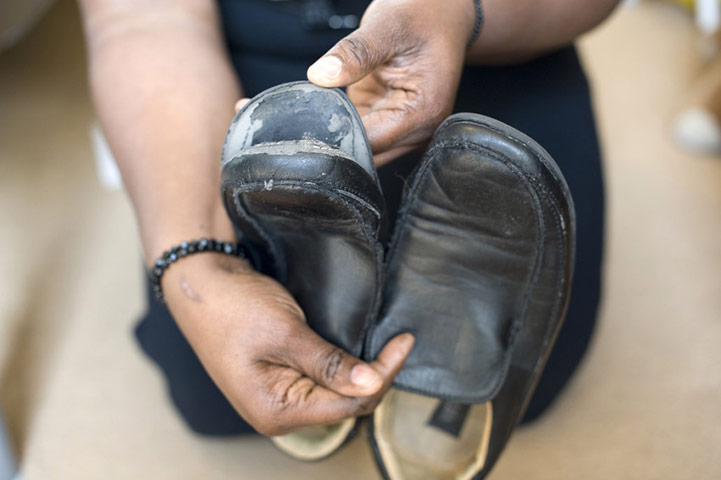
Severe Poverty: poverty shoes shoe repair
Julie, a single mother living in Westminster with four children, struggles to pay the bills and provide for her children. She says, "Being a mother of four and a single parent is a hard juggling act to make ends meet. My four children have been looking forward to a day trip to Skegness all year but this year we won’t be going because the money will be going to shoes and paying the bills".
Photograph: Rachel Palmer/Save the Children
Severe Poverty: poverty
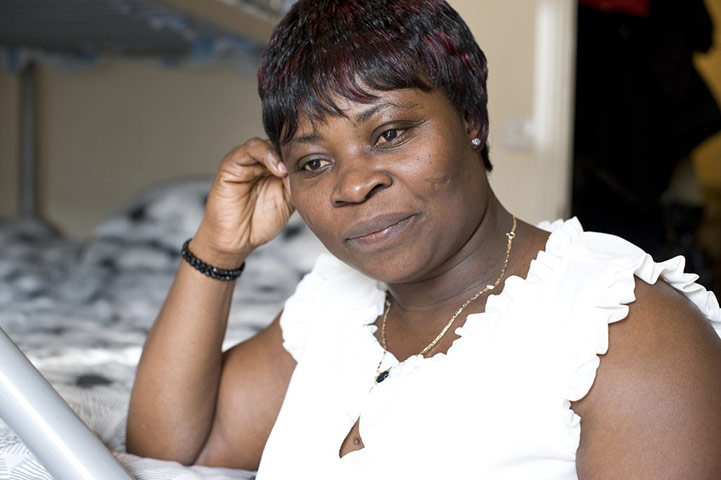
With increasing unemployment and cuts in welfare payments, Save the Children fears that even more children will be forced into severe poverty in the coming months without urgent and concerted action. Julie says "All these cut backs the government are making are worrying me. Even though I economise I have to economise twice as hard now to try and manage. Other parents in the same position as me are probably struggling the same way as me."
Photograph: Rachel Palmer/Save the Children
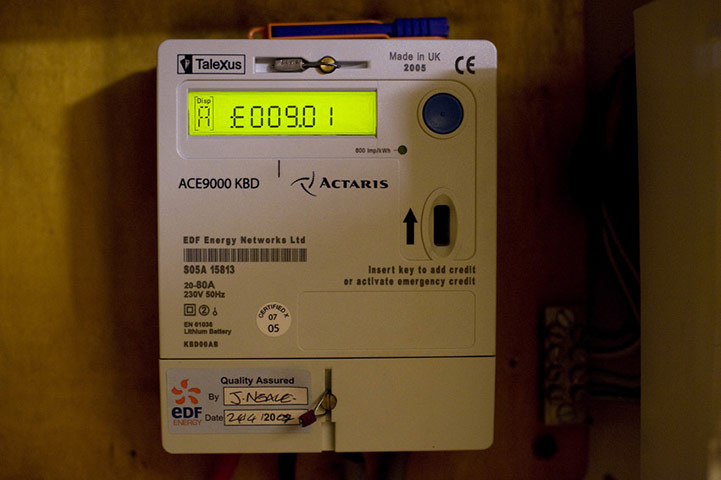
Severe Poverty: poverty electricity metre
Families in severe poverty are getting by on less than £134 per week for a lone parent with one child. Ashmahan, a single mother looking after her four year old son explains how she balances her finances, "For electricity I use a (prepaid) key. I can top it up every week or every two weeks, it depends on the weather. Sometimes to save money what I do is I don’t use the washing machine. I clean my son’s clothes by hand and we wear a lot of clothes at home because I want to keep the electricity bill low so we don’t use the heating all the time".
Photograph: Rachel Palmer/Save the Children
Severe Poverty: Poverty
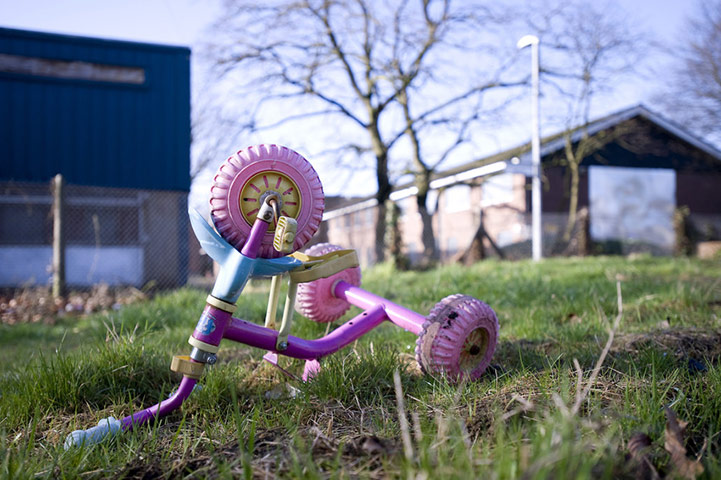
Save the Children is calling on the Chancellor to draw up an emergency plan to tackle severe child poverty to channel new jobs into the poorest areas, as well increase financial support for low-income families, for example, by paying for more childcare costs enabling parents to work.
Photograph: Rachel Palmer/Save the Children
Sign up to read this article
Read news from 100’s of titles, curated specifically for you.
Already a member? Sign in here
Related Stories
Top stories on inkl right now
One subscription that gives you access to news from hundreds of sites
Already a member? Sign in here
Our Picks
Fourteen days free
Download the app
One app. One membership.
100+ trusted global sources.