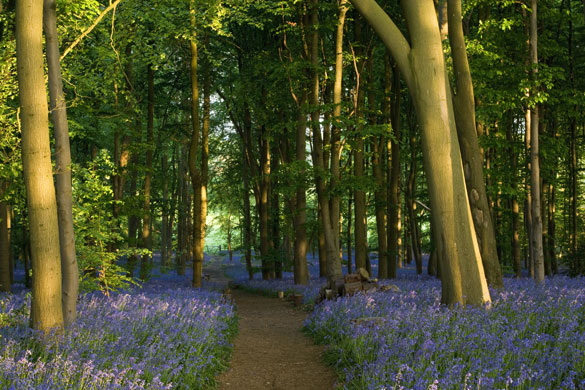
Our ancient woodland is at its very finest this weekend. Trees are sprouting flowers and spring green leaves but have yet to cast the shade of summer over woodland flowers and clearings. In the south, this may be the last chance to admire carpets of brilliant bluebells, while in the north they will be looking their very best. Tread softly: last week I saw roe deer and muntjac deer, their tales wagging like dogs, as well as lizards and a bank vole in woods in Gloucestershire. My personal favourite is Foxley Wood in Norfolk. The Woodland Trust has a list of ancient woodlands where you can see bluebells Photograph: Getty
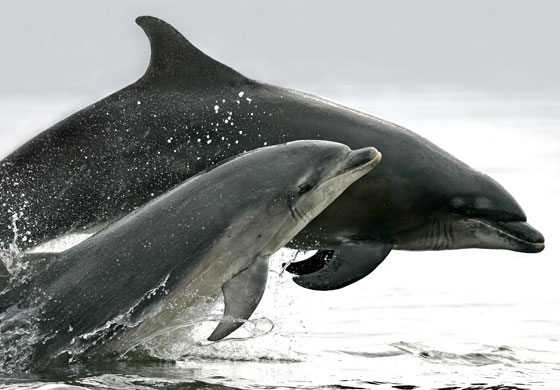
The naturalist Terry Nutkins reckons that spring in Scotland is even more dramatic than in the rest of Britain because its winters are so long and cold. This week he saw 40 common dolphins playing in the sea close to his home in north west Scotland but he recommends the Moray Firth close to Inverness for dolphin-watching. “You can often see Atlantic bottlenose dolphins and they seem to be more active in the spring. They are probably excited about the arrival of certain species of fish but spring generates an excitement for us human beings as well,” he says Photograph: Rex Features
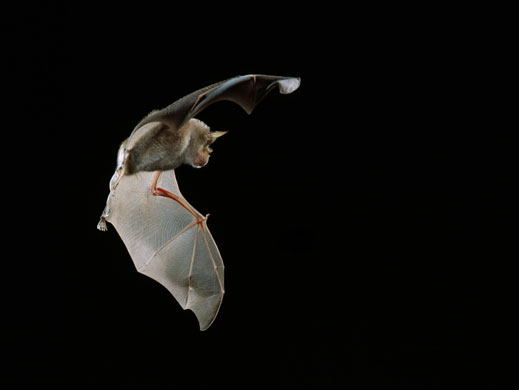
You don’t have to leave the city to see our wildlife in spring. London’s parks at dusk, for example, are a brilliant place for bats: head to the water at Regent’s Park or Battersea Park and you can see several species of bat out hunting, ducking and weaving inches from your head. If you buy a bat detector you can pick up their high-pitched echo-location calls as well. Be careful not to get locked in for the night! Two good churches for bats are the remote Church of the Holy Cross in Kilgwrrwg, near Chepstow, and the Anglo-Saxon church in Escomb, near Bishop Auckland in County Durham Photograph: Alamy
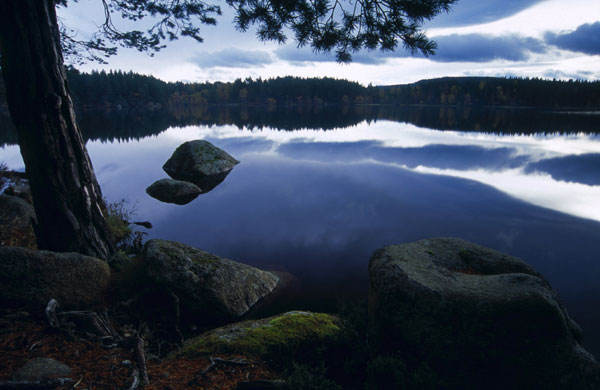
One of Scotland’s best ridge walks is a favourite of Nutkins: it offers a chance to see golden eagles, peregrine falcons and ravens, as well as glorious wild and mountainous countryside. I’ve seen the ospreys at Loch Garten, near Aviemore, and these majestic birds have been back at their nesting sight for a couple of weeks now. You can check their progress on the RSPB blog. If you are really lucky you may see them hunting fish in the loch Photograph: Stuart Brooke/Rex Features
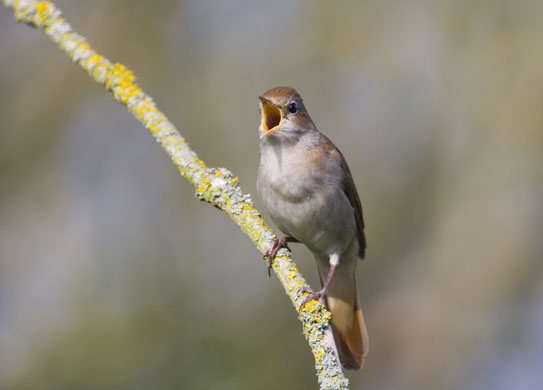
This weekend is the best time to hear one of the most romantic wonders of spring: the song of the nightingale. The males are frantically wooing the females as they return to this country to breed. Dusk is the best time to hear them. Stephen Moss recommends -Fingringhoe Wick nature reserve in Essex, Blean Woods in Kent or the RSPB reserve in West Sedgemoor on the beautiful Somerset Levels Photograph: Getty Images
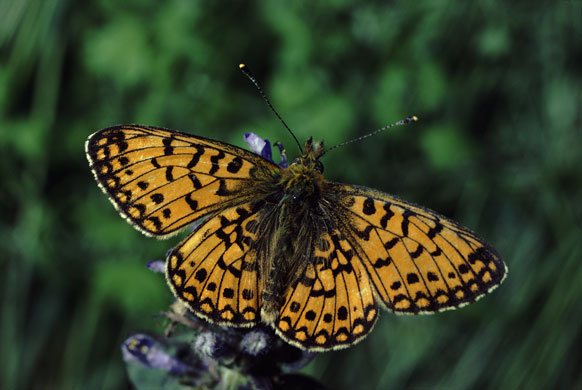
Two of our rarest, and most graceful, butterflies are on the wing this weekend. The pearl-bordered fritillary flies in ancient woodlands rich in violets. One lovely spot is Hembury Woods in the Dart Valley, Devon. Even rarer is the duke of burgundy, a fritillary-like butterfly that I saw last week on Rodborough Common, a beautiful piece of National Trust land in the Cotswolds near Stroud. Visit ukbutterflies.co.uk for other locations Photograph: Duncan McEwan / Rex Features
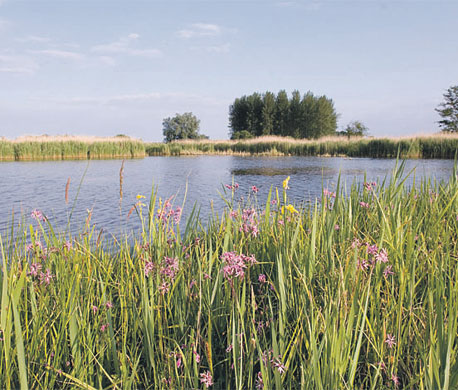
If there was one place Stephen Moss, author of The Bumper Book of Nature, could go this May bank holiday, it would be Minsmere, the RSPB’s flagship nature reserve on the Suffolk coast. “You can see or hear well over 100 species of birds in early May,” he says Photograph: RSPB Images