Several spoonfuls of sugar for the stage musical version of Mary Poppins this week (pictured above in its London incarnation), which tidied up (ahem) at the Helpmann awards – Australia’s version of the Oliviers. The singing nanny flew off (sorry) with eight gongs, including best musical and the performance awards for its male and female leads, Matt Lee and Verity Hunt-Ballard. Elsewhere, there were wins for Cate Blanchett for her turn in Uncle Vanya, while Andrew Lloyd Webber’s Love Never Dies – which was revamped for its outing in Oz – picked up three design awards
Photograph: Tristram Kenton for the Guardian
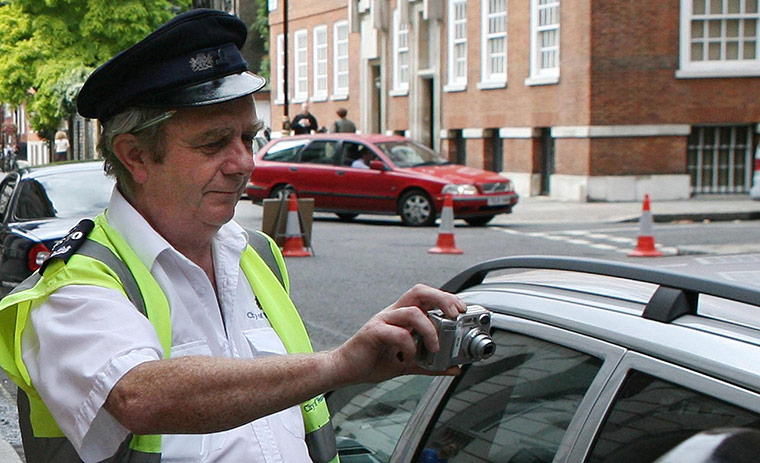
Back a little closer to home, there was bad news for theatregoing petrol-heads, as Westminster Council (which controls parking restrictions for much of London’s West End) announced that parking charges are to be extended into evenings and Sundays for the first time. Theatre owners are concerned that the fares of as much as £4.40 per hour could put off audiences – especially those travelling as families at the weekend – from coming to see shows. Meanwhile, theatre unions are concerned for the safety of actors and musicians travelling home late on public transport
Photograph: Lewis Whyld/PA
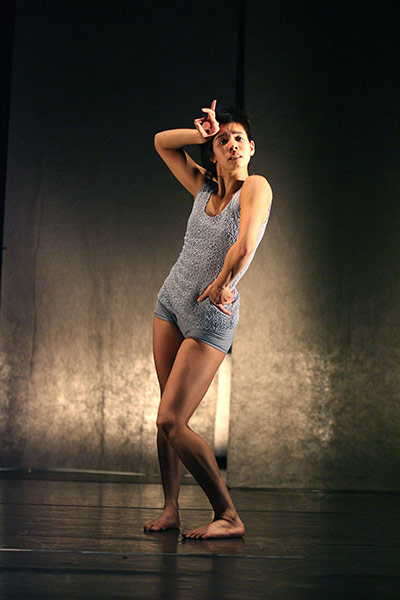
Those rising costs might not worry Cambridge Arts Theatre chief executive Dave Murphy, though. Following complaints from an anonymous – and presumably slightly jealous – reader, a local paper revealed this week that Murphy earns a whopping £150,000 a year in his post at the 673-seat venue. To put that in perspective, it’s about treble what the artistic director of London’s Royal Court earns and only a smidgen under the wage received by Nicholas Hytner at the National Theatre. But, then again, the Cambridge venue is an independent charity and it’s not regularly funded by the Arts Council, so one supposes they can pay him what they like
Photograph: Tristram Kenton for the Guardian
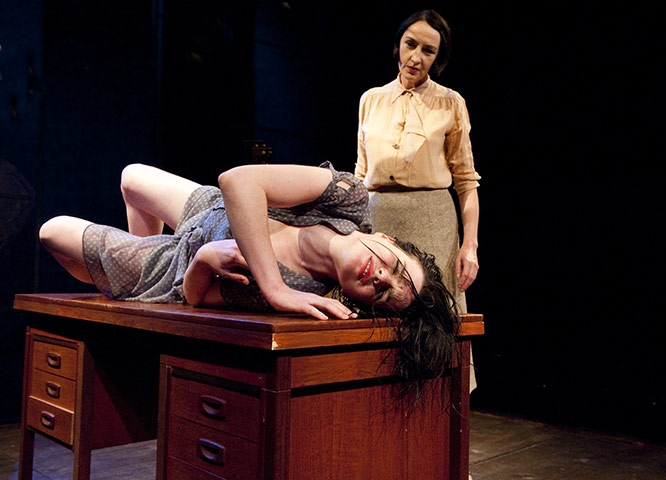
Back in London, there’s bad news in SE1, where the planned redevelopment of London Bridge Station looks set to spell the end for Southwark Playhouse, which is located under railway arches that are slated for redevelopment. The atmospheric theatre is campaigning to be allowed to return to the site when the development is complete in 2018, but thus far Network Rail has been unresponsive. Perhaps the help of The Hobbit co-stars Andy Serkis and Stephen Fry – who have been tweeting their support for the venue – might change their mind
Photograph: Tristram Kenton for the Guardian
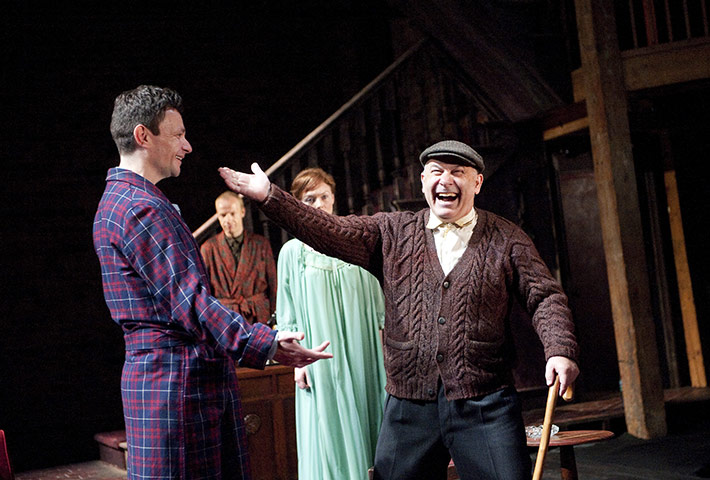
With the RSC part way through its 50th anniversary season, the company welcomed back one of its most famous discoveries – Harold Pinter’s The Homecoming. The RSC staged the play’s premiere at London’s Aldwych theatre in 1965, in a production directed by Peter Hall and featuring Ian Holm as Lenny and Vivien Merchant as Ruth. This week’s revival up in Stratford-upon-Avon’s Swan theatre reminded Michael Billington that it is 'the best new play the RSC has discovered in its history'
Photograph: Tristram Kenton for the Guardian
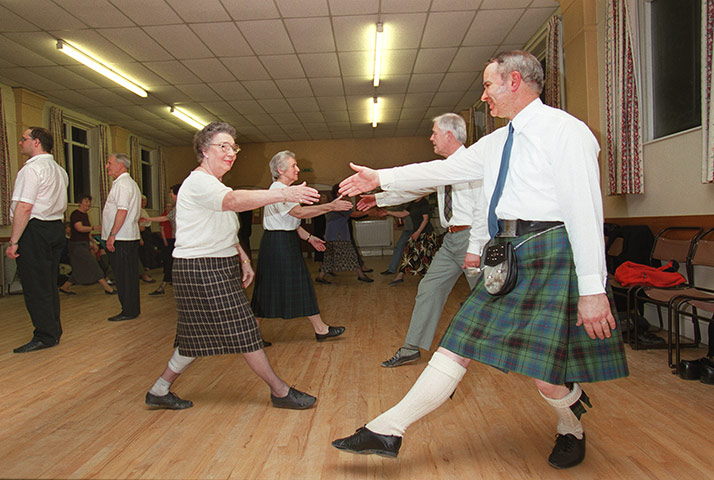
Celtic and Rangers fans might disagree, but according to a new report, dance is more popular than football in Scotland. Published by the Federation of Scottish Theatre, it claims that more people (around 19%) take part in dance activities than play football, making it the country’s second most popular cultural activity after reading. Somewhat worryingly, though, it also warns that dance training is limited and many theatres are reluctant to programme dance shows
Photograph: Don McPhee for the Guardian
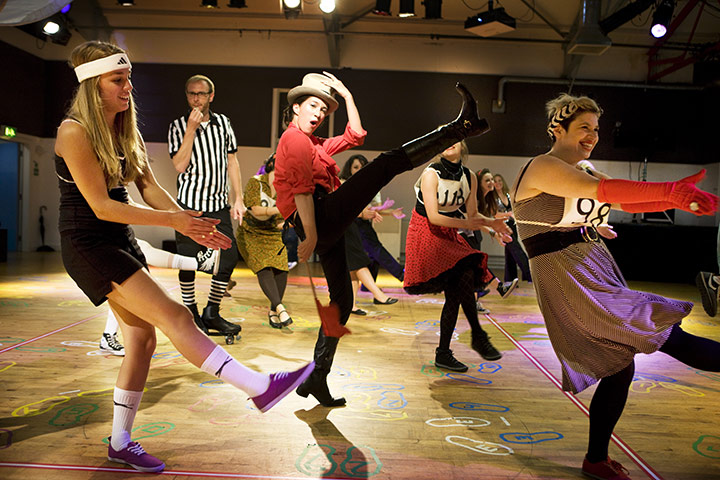
But, of course, the big news north of the border this week is the launch of the Edinburgh Fringe. The event officially kicks off today as thousands of standups, theatre groups and cabaret performers head up to Auld Reekie with hope in their hearts, money in their pockets and a smile on their face. At least, before a month of solid rain and unfulfilled ambition destroys all three. Still, there’s that musical version of The Doll’s House on roller skates you always wanted to watch. See you up there
Photograph: Murdo MacLeod for the Guardian