Serpentine pavilion goes underground with Ai Weiwei and Swiss architects – in pictures
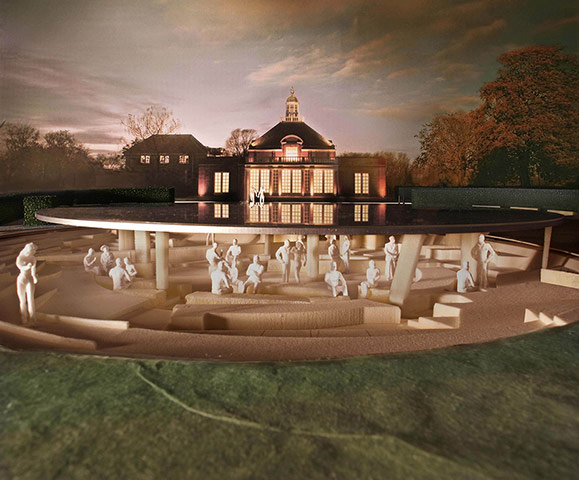
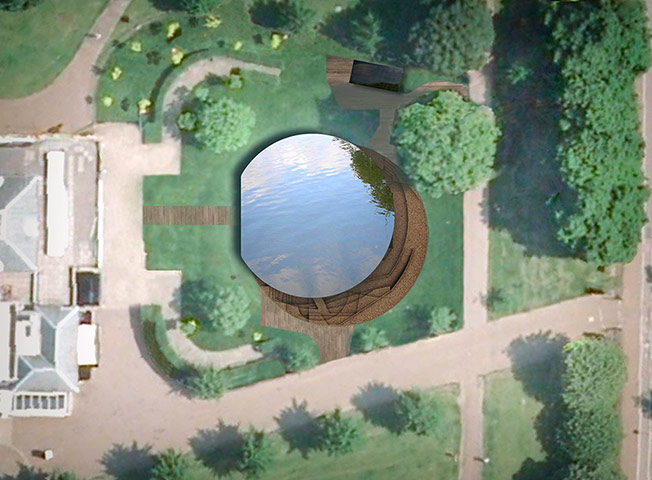
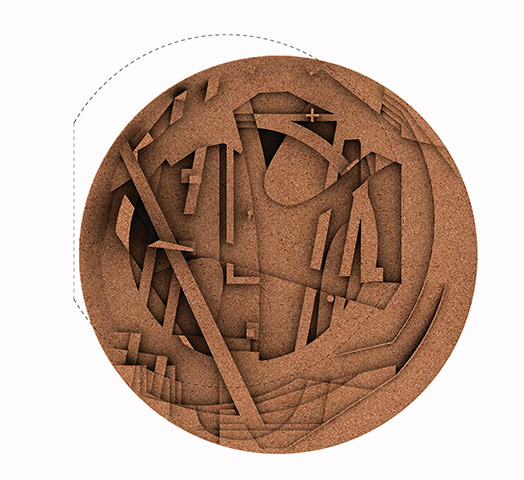
This year's pavilion takes an archaeological approach, digging up a piece of Kensington Gardens and creating a new sunken space from the foundations of the previous 11 pavilions. A shallow, disc-shaped pool of water forms the roofPhotograph: Herzog & de Meuron and Ai WeiweiThe watery roof will be at about chest height if you're standing outside the gallery. It reflects the sky, and signifies the water table below. For special events, it will be drained and used as a space for the gallery's talks programme, a dining area, and even a dancefloor – health, safety and weather permittingPhotograph: Herzog & de Meuron and Ai WeiweiThe interior 'landscape' of the pavilion will be entirely lined with cork. Its contours are generated from overlaid impressions of the previous pavilions and other underground features of the site. That long, diagonal bench to the left, for example, covers telephone cables crossing the sitePhotograph: Herzog & de Meuron and Ai Weiwei
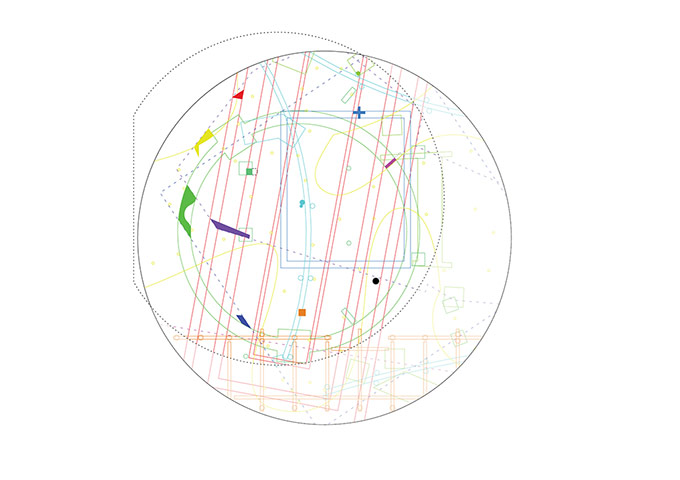
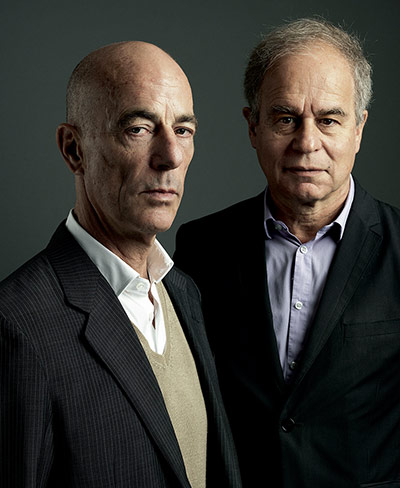
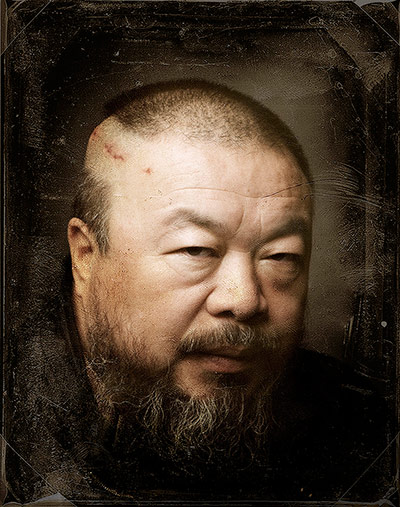
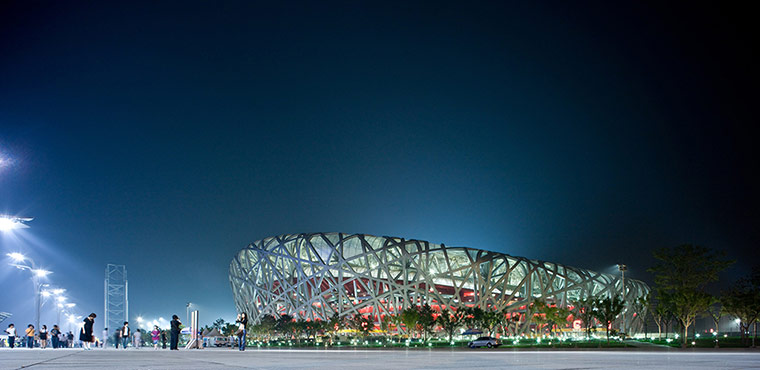
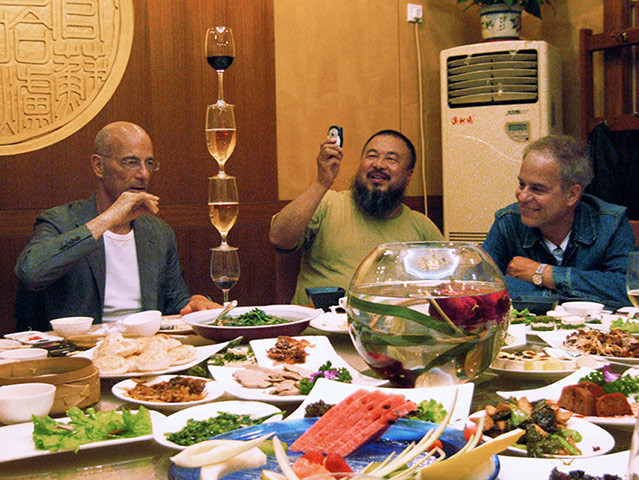
A plan of the pavilion. The different coloured shapes indicate columns holding up the roof – one for each previous pavilion (full marks if you can work out which is which), plus a twelth for this year's, which the designers placed where they wanted, 'like a wild card'Photograph: Herzog & de Meuron and Ai WeiweiIn previous years, the Serpentine pavilion has been designed by architects who had never built anything else in Britain, but an exception has been made this year (the Olympics is the Serpentine's excuse). The honours go to Swiss superstar architects Jacques Herzog (left) and Pierre de Meuron, best known as designers of the Tate Modern gallery and the national stadium in Beijing Photograph: Marco GrobHerzog & de Meuron are, however, joined by leading Chinese artist Ai Weiwei. He is best known in this country for filling the Tate Modern's Turbine Hall with sunflower seeds, though more recently, his persecution for 'economic crimes' by the Chinese authorities has brought him more recognition than his artPhotograph: PRAi Weiwei also worked with Herzog & de Meuron on the Beijing national stadium for the previous Olympics, so this could be seen as an Olympic dream-team reunion. Weiwei distanced himself from the 2008 games, though. He once said of his homeland, 'China is like a runner sprinting very fast but it has a heart condition'Photograph: Herzog & de Meuron/Iwan BaanHerzog & de Meuron have collaborated with Weiwei several times since Beijing – and they evidently enjoy each other's company, though this particular experiment was not their greatest success. Since Weiwei is no longer allowed to leave China, the team mainly communicate via Skype Photograph: Herzog & de Meuron
Sign up to read this article
Read news from 100’s of titles, curated specifically for you.