When nurse Teaghanne Sarina was kicked in the chest by a patient one night on a hospital ward, she finished her shift instead of going home.
After getting an X-ray confirming she had three broken ribs, the mother-of-three went back to work the next night as well.
"Maybe if it wasn't the first time," Ms Sarina told AAP.
"Unfortunately, as a mental health nurse, I go into work knowing there's a running risk that I will be injured."
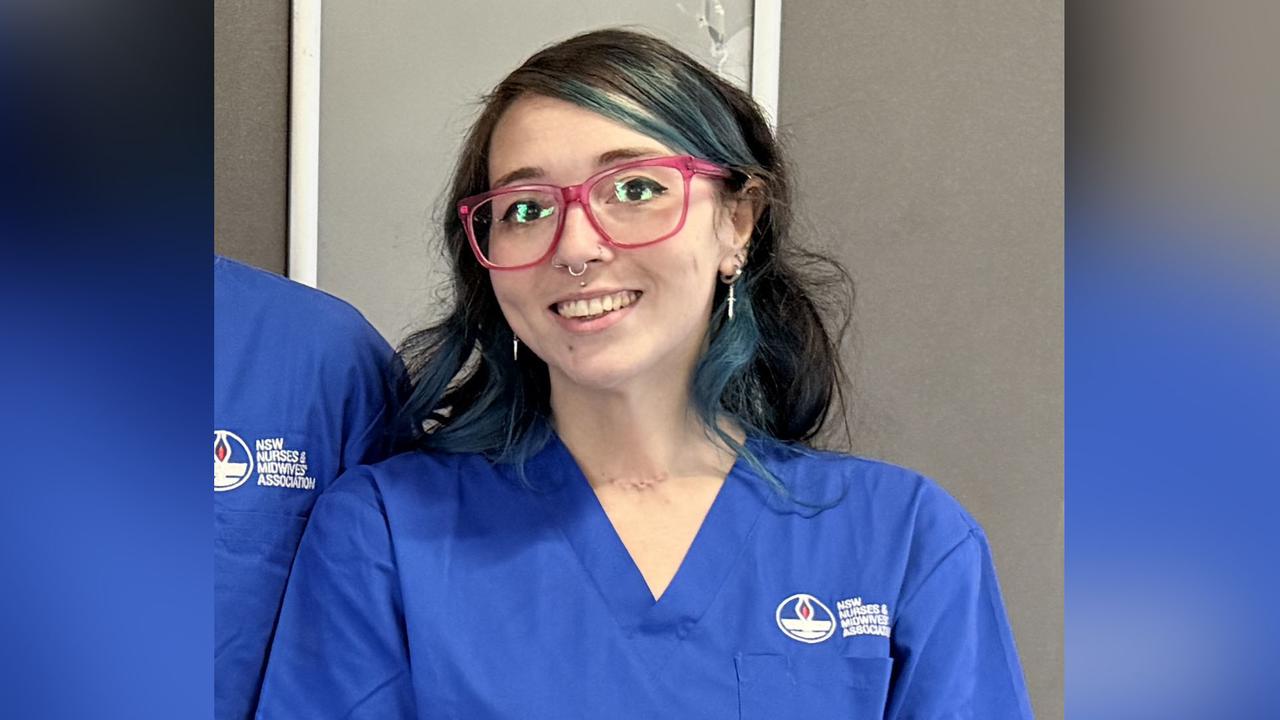
In her 14 years as a nurse - five specifically in mental health - the most memorable injuries for Ms Sarina are having a finger dislocated, being bitten by an elderly woman and having a heavy metal diagnostic machine thrown at her head.
Health care workers are increasingly at risk of being assaulted at work, according to figures from the Australian Institute of Health and Welfare released in Wednesday.
Over the past decade, the number of health workers admitted to hospital due to an assault has doubled, becoming the second most common cause of workplace injury for those in the field.
The figures don't include those who, like Ms Sarina, didn't seek treatment or visited a GP, meaning the number of assaults overall is likely much higher.
There were 7416 injury hospitalisations recorded among health care workers in the 10 years between 2015/16 and 2024/25 - with the leading cause being a fall.
Women made up the vast majority of those hospitalised, reflecting their higher representation in the workforce, of which they make up around three quarters.
Health care workers shouldn't be constantly at risk of being assaulted says Ms Sarina, who is also a delegate for the NSW Nurses and Midwives Association.
"This is not a bar. This is not a nightclub. This is a hospital where people come who are sick," she said.
Health Services Union national secretary Dustin Halse called the trend concerning.
"Violence and injury are often treated as an unavoidable part of caring for others, but they are not - they are workplace risks that can and must be prevented," he said.
Ms Sarina blames a mix of factors for the increase in workplace injuries including lack of training and services, as well as an increase in the variants of illicit substances being consumed.
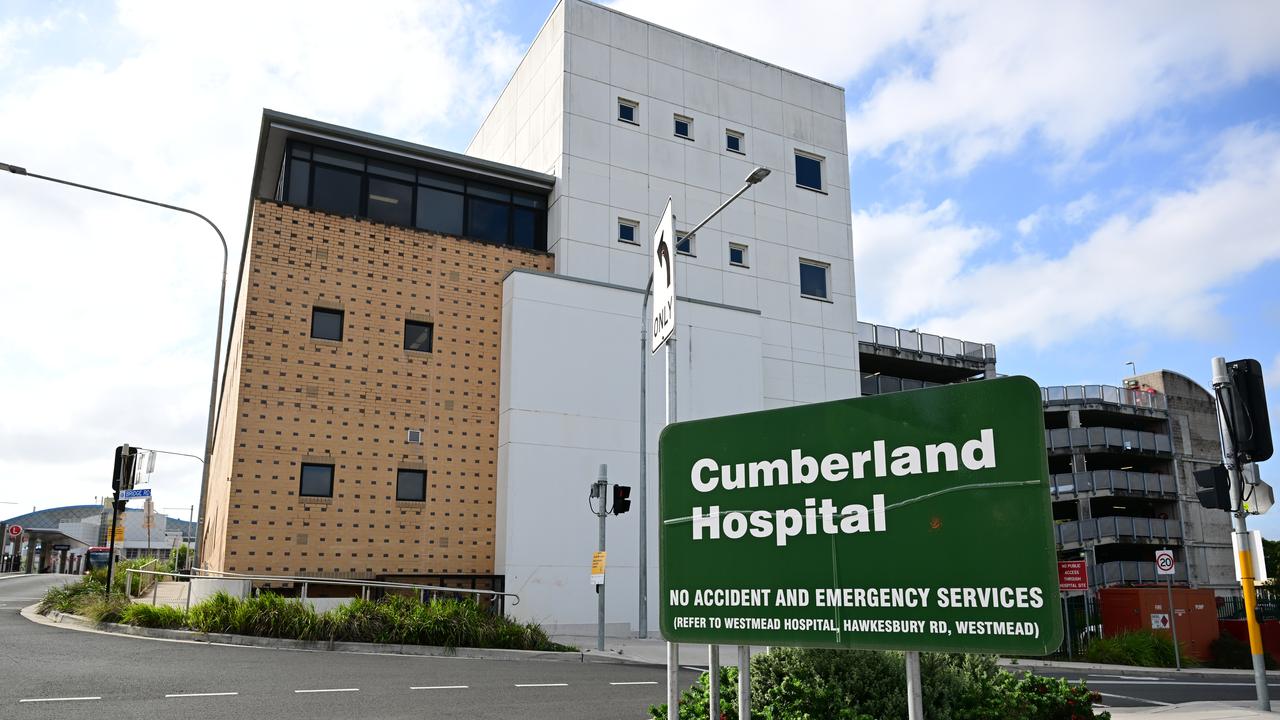
At Cumberland Hospital in western Sydney, where she works, there are only 10 specialist intensive care beds for those in mental health crisis.
"They're ending up in lower-acuity wards, and then we're having situations where they escape, or they're assaulting people because the facility is not designed to take on these people," she said.
"Seeing them when they get better is probably one of the peak reasons why I keep doing what I'm doing."
Lifeline 13 11 14
beyondblue 1300 22 4636