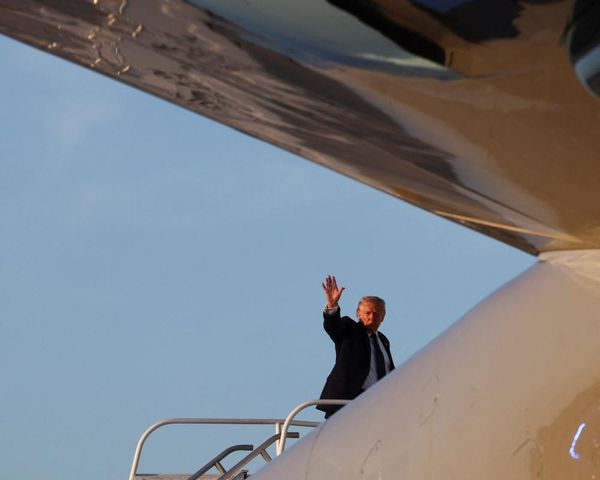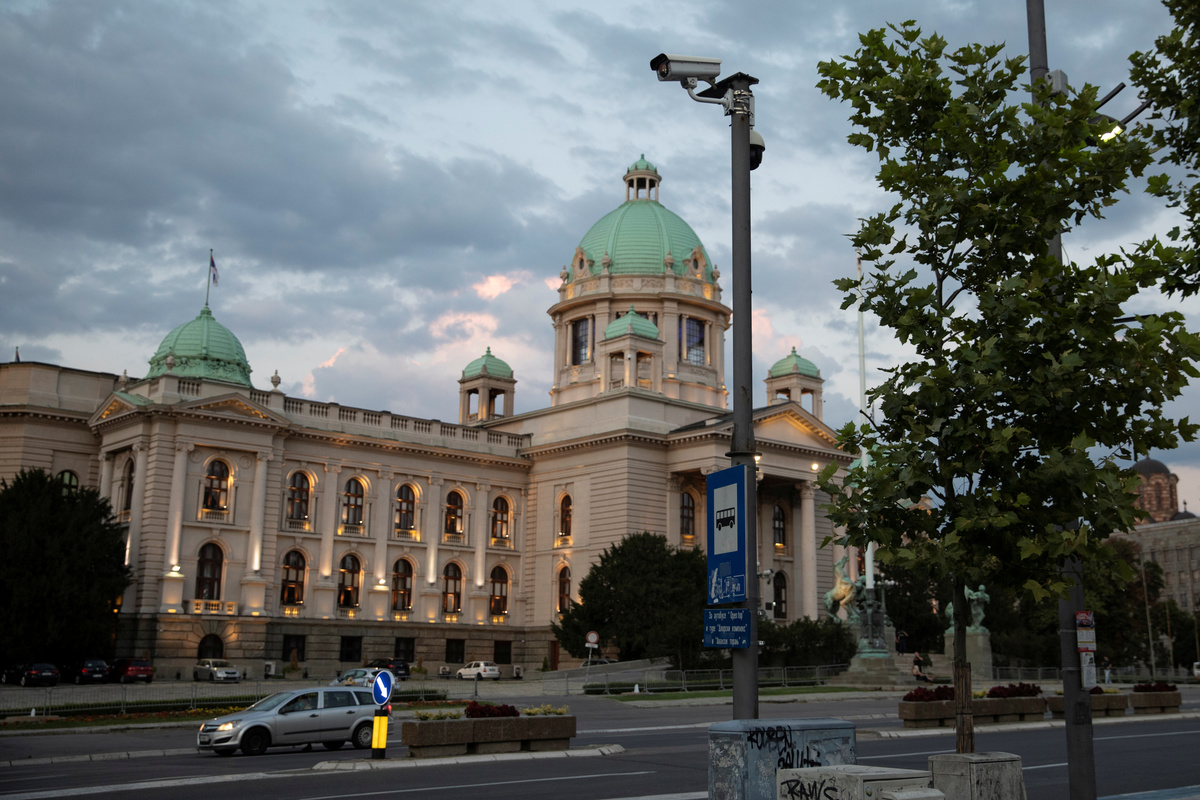
As U.S. Secretary of State Mike Pompeo rallied Central European nations this week to stem Chinese influence by snubbing its advanced digital technology, Chinese surveillance cameras were recording faces and cars in the Serbian capital Belgrade.
While Serbia aspires to join the European Union, it has made a big swing towards China, the top economic and geo-political competitor of the EU and United States, to help develop its infrastructure, energy and tech sectors and to buy weaponry.
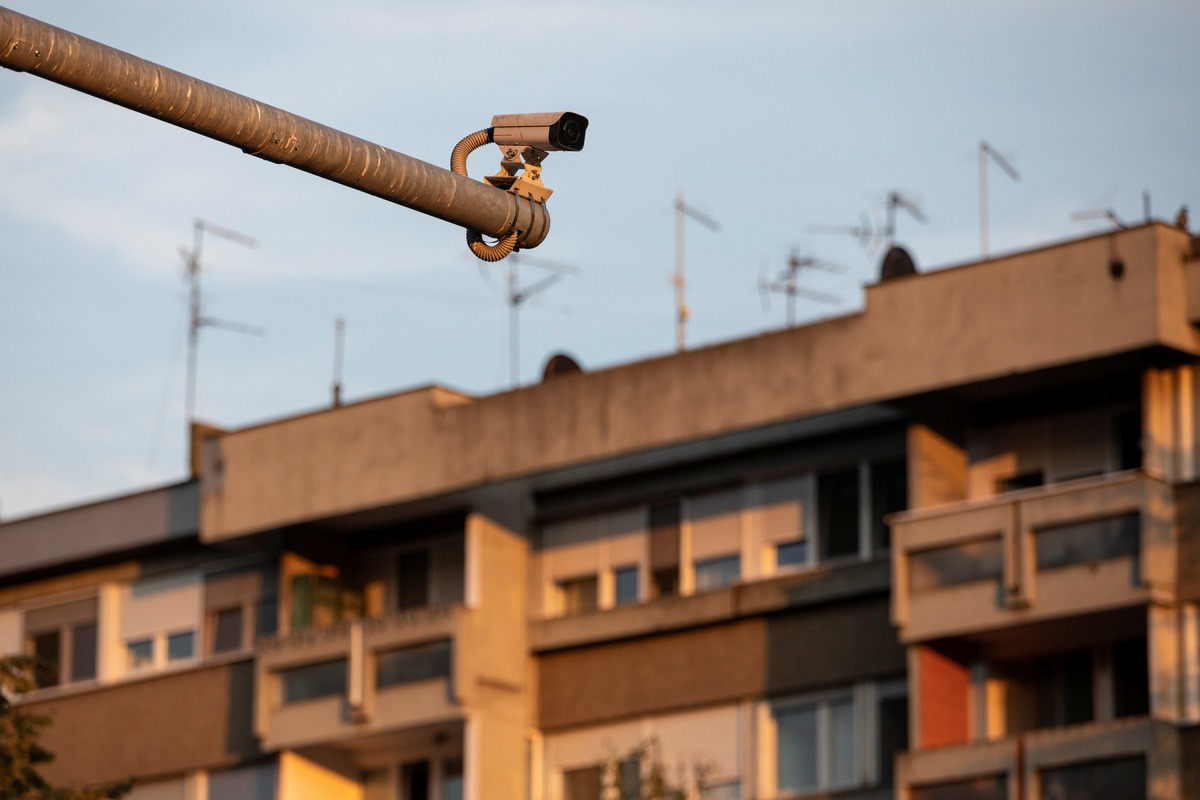
China has provided billions of euros in soft loans for infrastructure and energy development in Serbia. It is also pursuing its plan for a "digital silk road" - telecommunications connectivity - in which Serbia would be a key cog in Europe.
On a visit to Slovenia on Thursday, Pompeo said that by rolling out its own 5G network, the ex-Yugoslav republic and EU and NATO member state had secured protection against China's drive "to control people and information".
U.S. President Donald Trump’s administration has sought to convince U.S. allies in Europe and Asia to beware of Chinese industrial and intellectual property espionage and to bar Chinese-made equipment from their tech networks or access to sensitive information on individual citizens and businesses.
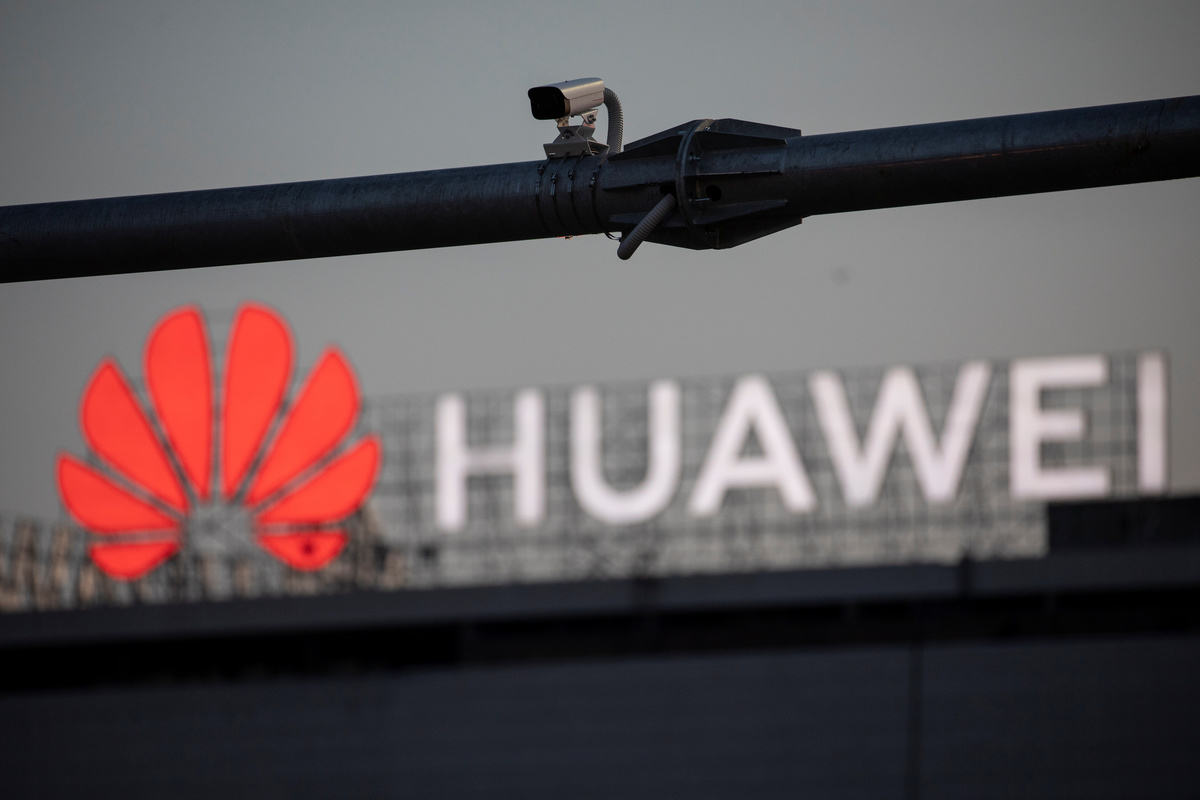
Huawei <HWT.UL>, China's giant telecoms equipment maker, denies it spies for Chinese authorities and says the United States wants to frustrate its growth because no U.S. company offers the same technology at a competitive price.
Serbia has signed two non-binding agreements with Huawei since 2017 - one on strategic partnership in the development of broadband internet, the other on a "smart cities" project that includes data gathering, storing and management.
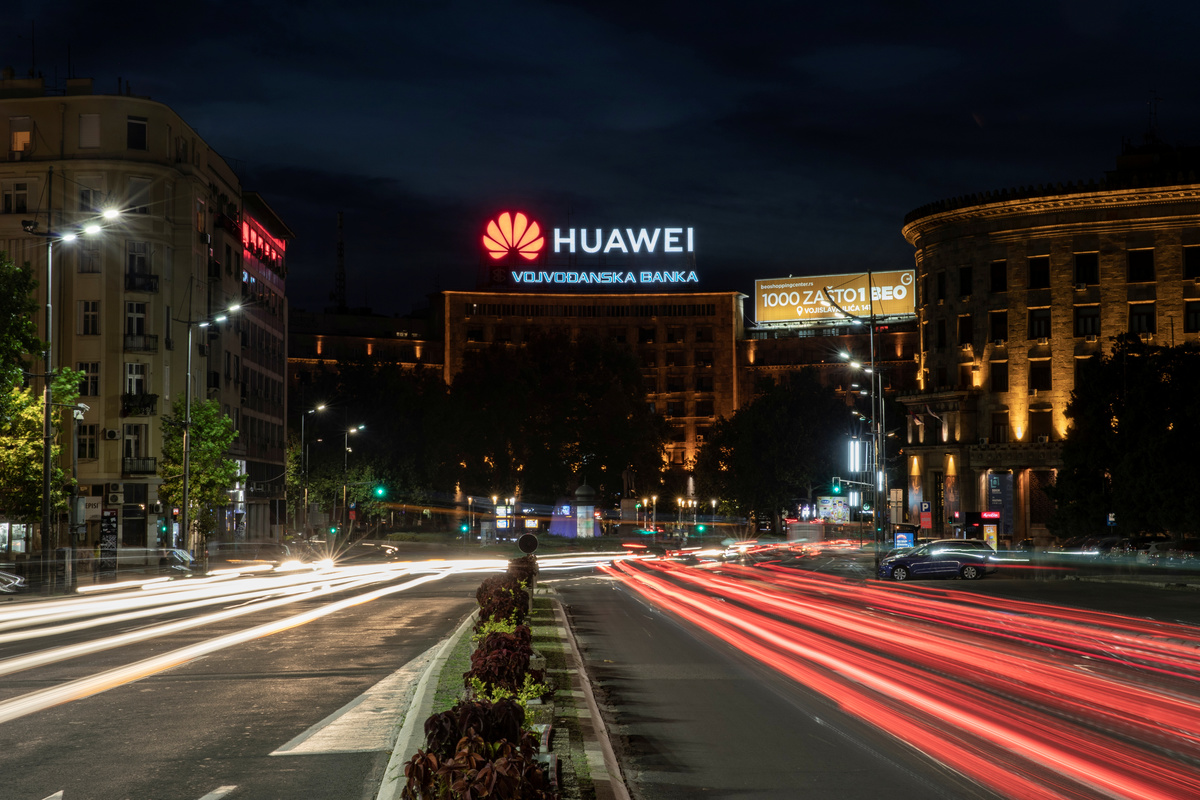
HUAWEI ARRIVES IN SERBIA TO STAY
Trade Minister Rasim Ljajic said last year that state-owned Telekom Srbija was working with Huawei on a 150-million-euro ($177.48 million) project to establish high-speed broadband internet in the Balkan country of seven million people.
As for a state-of-the-art 5G network, a sector where Huawei has a dominant market position, Irini Reljin, Serbia's assistant minister for trade and telecommunications, said Belgrade planned to issue tenders for frequencies by early 2021.
"We...adhere to procedures of public procurements and EU regulations which stipulate we must have technological neutrality that will guarantee all operators the right to purchase equipment of any manufacturer," Reljin told Reuters.
Huawei, however, is also involved in a project with Serbia's Interior Ministry entailing the installation of over 1,100 surveillance cameras at an undisclosed cost for Belgrade's Safe City surveillance system of traffic and crime control.
Reljin said Serbian databases were safe from outside interference. "For us the data safety is the same, regardless of technology and its generation, so for now we are in full compliance with EU regulations."
Serbian tech experts have also been working with Huawei on the improvement of face-recognition software.
"Huawei has arrived in Serbia to stay for a long time," Nenad Popovic, Serbia's minister for technological development, told reporters in May.
In March, Serbian officials, the Chinese ambassador to Belgrade and Huawei representatives opened a data storage centre in the central city of Kragujevac, the fourth largest in Serbia.
Top Chinese officials including President Xi Jinping have visited Serbia while Serbian President Aleksandar Vucic - who critics accuse of seeking to stifle dissent - has described ties with Beijing as "iron" and Xi as his "brother".
Bosko Jaksic, a columnist with Belgrade's Politika daily, criticised Huawei's presence, calling it "just a paradigm ...of the aggressive expansion of China...
"The long-term consequences of what this Chinese 'investment occupation force' may bring remain to be seen," he said.
$1 = 0.8452 euros)
(Additional reporting by Ivana Sekularac; Editing by Daria Sito-Sucic and Mark Heinrich)

.jpg?w=600)