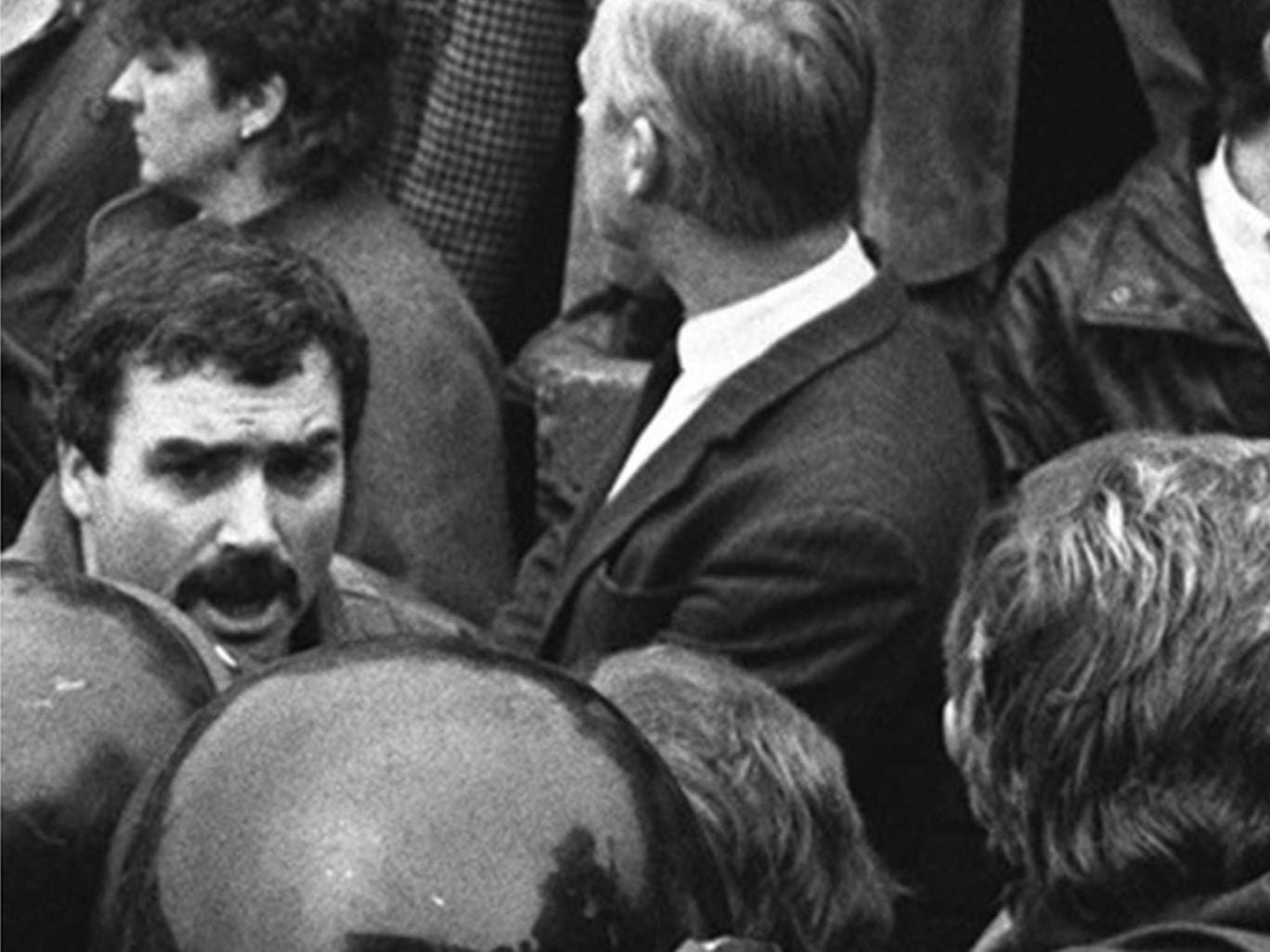
One of the most senior IRA double agents is to be investigated for his involvement in the murder of as many as 24 people.
The public prosecutions service said on Wednesday they would open an inquiry into crimes committed by Stakeknife, named by the BBC as Fred Scappaticci in 2003.
Mr Scappaticci, from Belfast, has always denied being a double agent.
Barra McGrory QC, Northern Ireland's director of public prosecutions, ordered the chief constable to reopen investigations into the murders – opening up the possibility the man alleged to be Britain’s key informer could be questioned about his covert career in open court.
Information received by the army, MI5 and the Royal Ulster Constabulary's Special Branch (RUC) will also be examined.
"A common link across a significant number of potential crimes, including murder, was the alleged involvement of an agent of military intelligence codenamed 'Stakeknife'," Mr McGrory told the BBC.
He said the information was provided by the office of the Police Ombudsman, Dr Michael Maguire, following the near conclusion of a “painstaking review of all available material.”
"Given that some of the allegations concern former members of RUC Special Branch, it is likely that Northern Ireland's chief constable will ask an outside police force to conduct the investigation," he added.
The head of the investigation is yet to be confirmed.
Stakeknife, reportedly referred to as the “golden egg” by senior British officers due to the calibre of information he provided, allegedly headed the IRA unit responsible for finding and killing suspected informers.
It has been alleged Stakeknife’s unit was responsible for the deaths of a number of IRA members – some of whom were informers – as well as those “set up” by the agent.
Families of these men have claimed the British services were more concerned with keeping Stakeknife in his top position – where he was able to provide valuable information – than using the agent to prevent their relatives’ deaths.
Mr Scappaticci, the grandson of an Italian immigrant, has admitted to being a republican in the past – but has consistently denied claims he was an informer. He was alleged to be a “walk-in” agent in the 1980s after a major disagreement with IRA leaders.
He left Northern Ireland in 2003 and has gone to significant effort to information about him entering the public sphere, according to the Guardian.