Senate passes bill renewing internet surveillance program
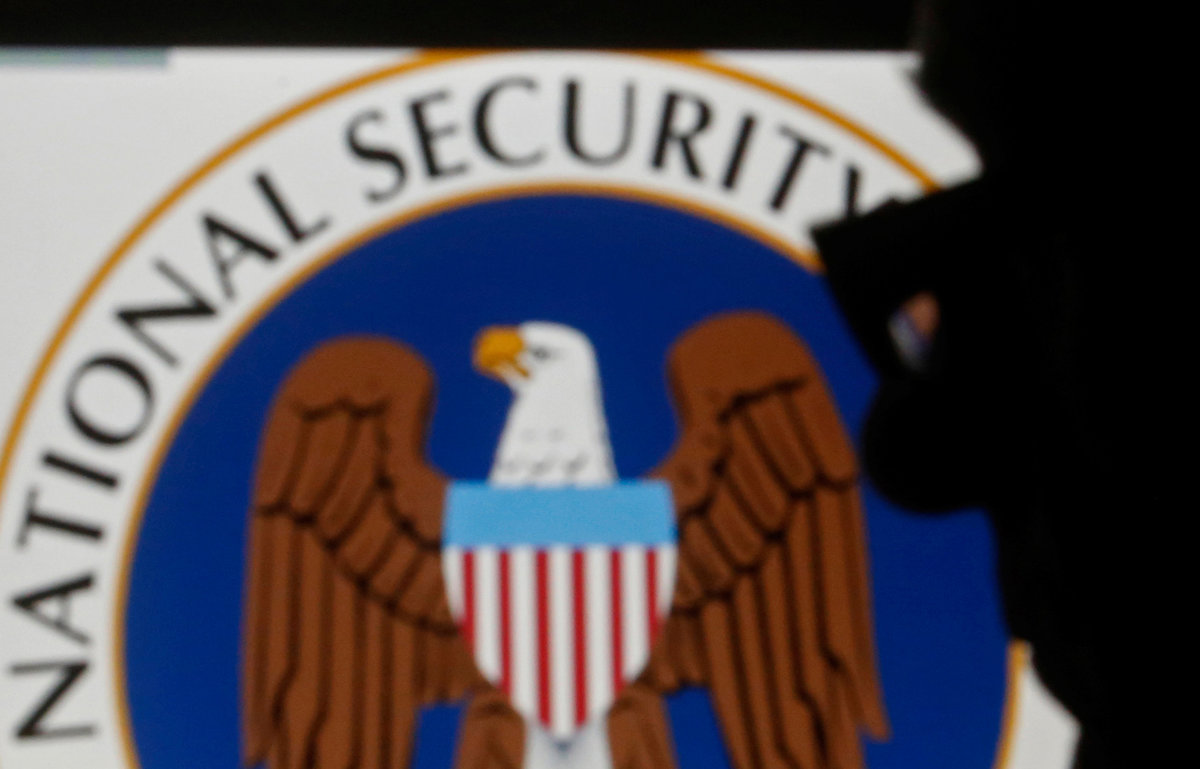
FILE PHOTO: A man is silhouetted near logo of the U.S. National Security Agency (NSA) in this photo illustration taken in Sarajevo March 11, 2015. REUTERS/Dado Ruvic/File Photo
WASHINGTON (Reuters) - The U.S. Senate on Thursday passed a bill to renew the National Security Agency’s warrantless internet surveillance program for six years with minimal changes, overcoming objections from civil liberties advocates that it undermined the privacy of Americans.
The legislation, which easily passed the House of Representatives last week, is expected to be signed into law by President Donald Trump by Friday.
U.S. Senator Richard Burr (R-NC) departs the Senate floor after a vote on a bill to renew the National Security Agency's warrantless internet surveillance program, at the U.S. Capitol in Washington, U.S. January 18, 2018. REUTERS/Jonathan Ernst
Thursday's 65-34 passage in the Senate was largely a foregone conclusion, after senators earlier this week cleared a 60-vote procedural hurdle, which split party lines and came within one vote of failing.
Passage of the legislation marked a disappointing end to a years-long effort by a coalition of liberal Democrats and libertarian-leaning Republicans to redefine the scope of U.S. intelligence collection following the 2013 disclosures of classified surveillance secrets by former NSA contractor Edward Snowden.
The bill reauthorizes what is known as Section 702 of the Foreign Intelligence Surveillance Act, which gathers information from foreigners overseas but incidentally collects an unknown amount of communications belonging to Americans.
U.S. Senator John Barrasso (R-WY) departs the Senate after a vote on a bill to renew the National Security Agency's warrantless internet surveillance program, at the U.S. Capitol in Washington, U.S. January 18, 2018. REUTERS/Jonathan Ernst
Under Section 702, the NSA is empowered to eavesdrop on vast amounts of digital communications via American companies like Facebook Inc, Verizon Communications Inc and Alphabet Inc's Google.
But the program also incidentally scoops up Americans' communications, including when they communicate with a foreign target living overseas. Intelligence analysts can then search those messages without a warrant.
The White House, U.S. intelligence agencies and congressional Republican leaders said the program is indispensable to national security.
Reporters trail U.S. Senator Bernie Sanders (I-VT) as he arrives ahead of a vote on a bill to renew the National Security Agency's warrantless internet surveillance program, at the U.S. Capitol in Washington, U.S. January 18, 2018. REUTERS/Jonathan Ernst
Opponents of the program said it allows the NSA and other intelligence agencies to grab data belonging to Americans in a way that represents an affront to the U.S. Constitution.
The bill passed by Congress does add a narrow warrant requirement for cases where the Federal Bureau of Investigation seeks emails related to an existing criminal investigation that has no relevance to national security. Privacy advocates said that essentially gave more protections to criminal suspects than ordinary Americans caught up in the program's surveillance.
Reporters trail U.S. Senator Rand Paul (R-KY) as she arrives ahead of a vote on a bill to renew the National Security Agency's warrantless internet surveillance program, at the U.S. Capitol in Washington, U.S. January 18, 2018. REUTERS/Jonathan Ernst
(Reporting by Dustin Volz; Editing by Chizu Nomiyama and Tom Brown)
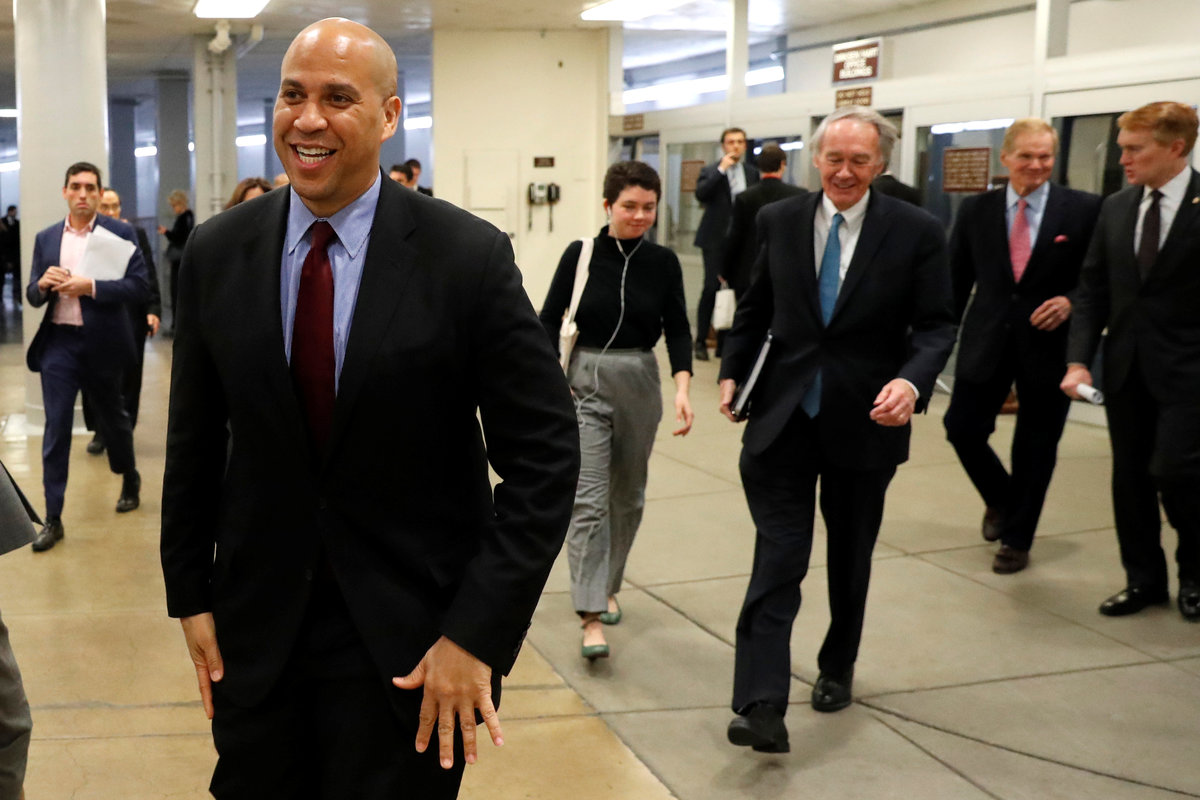
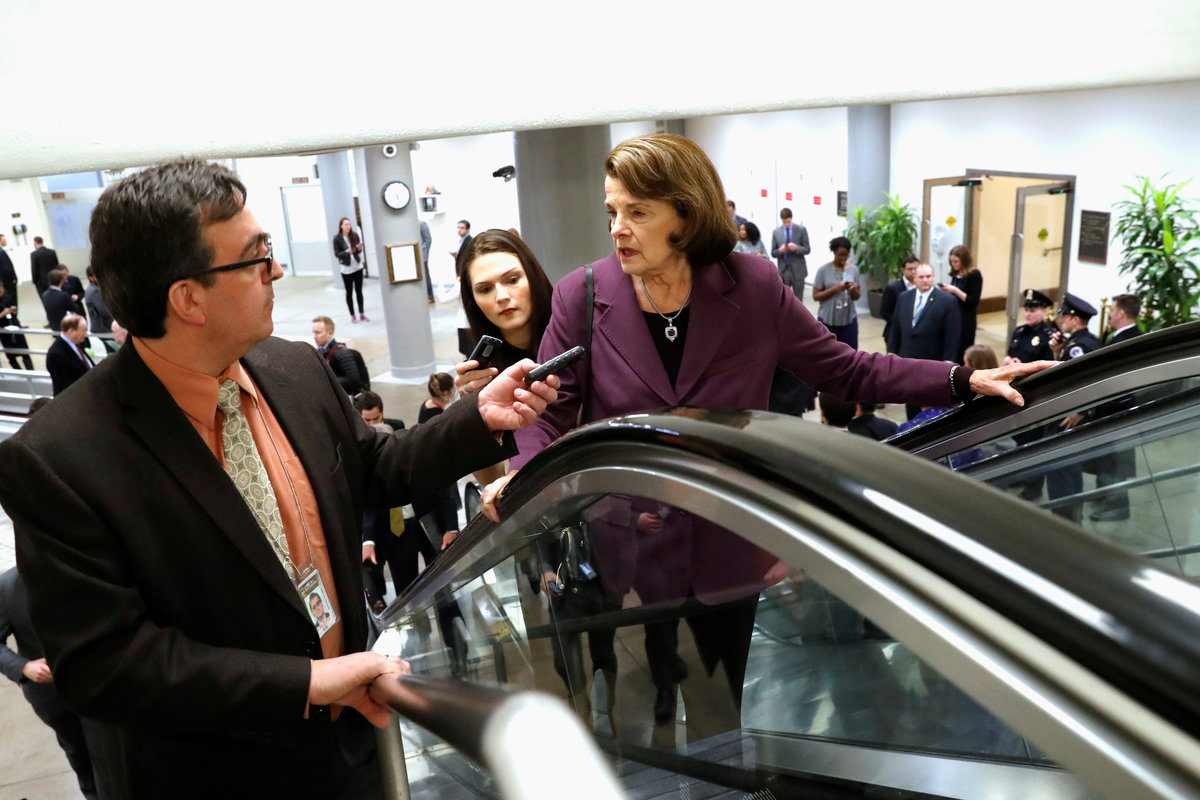
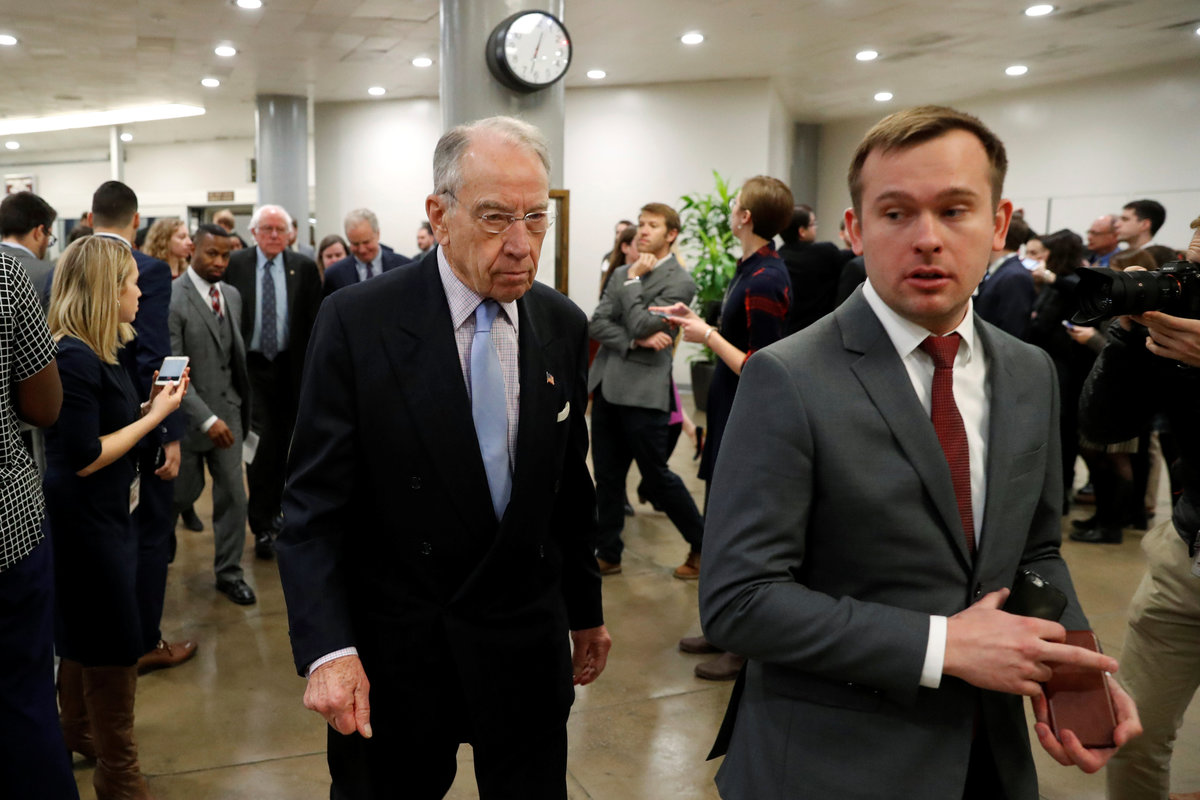
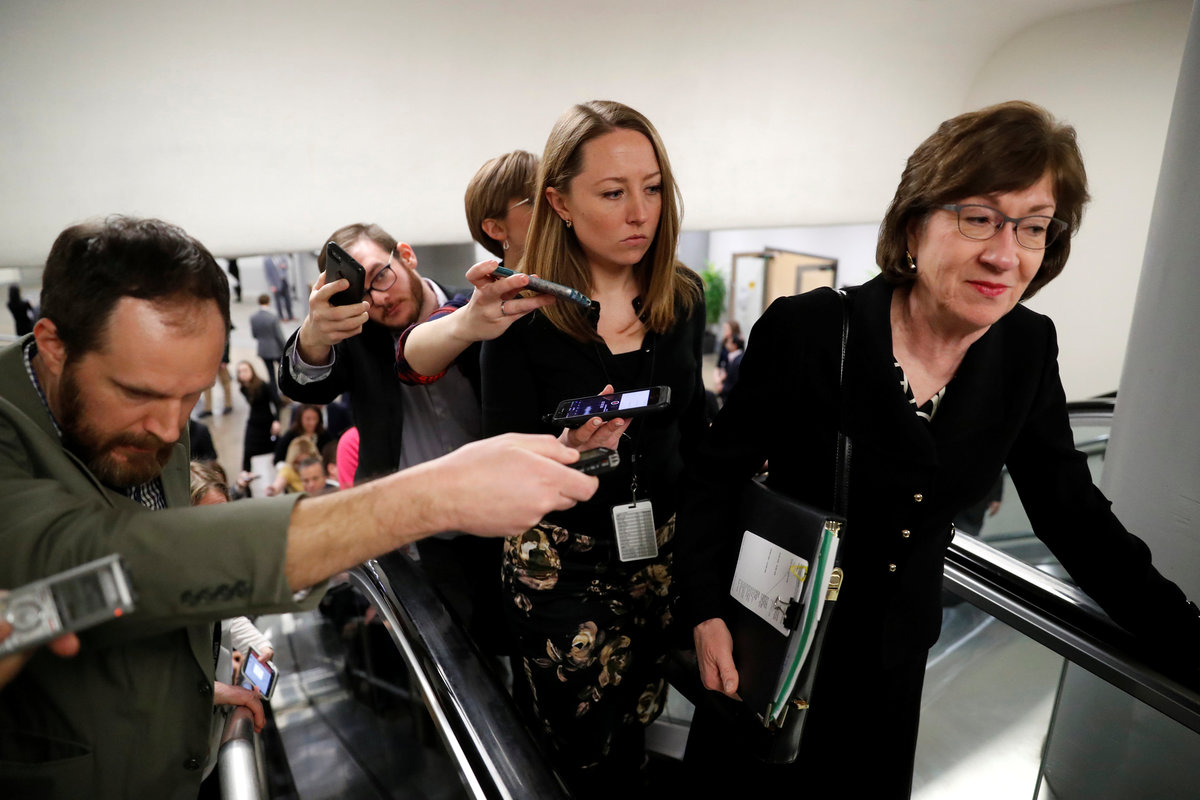
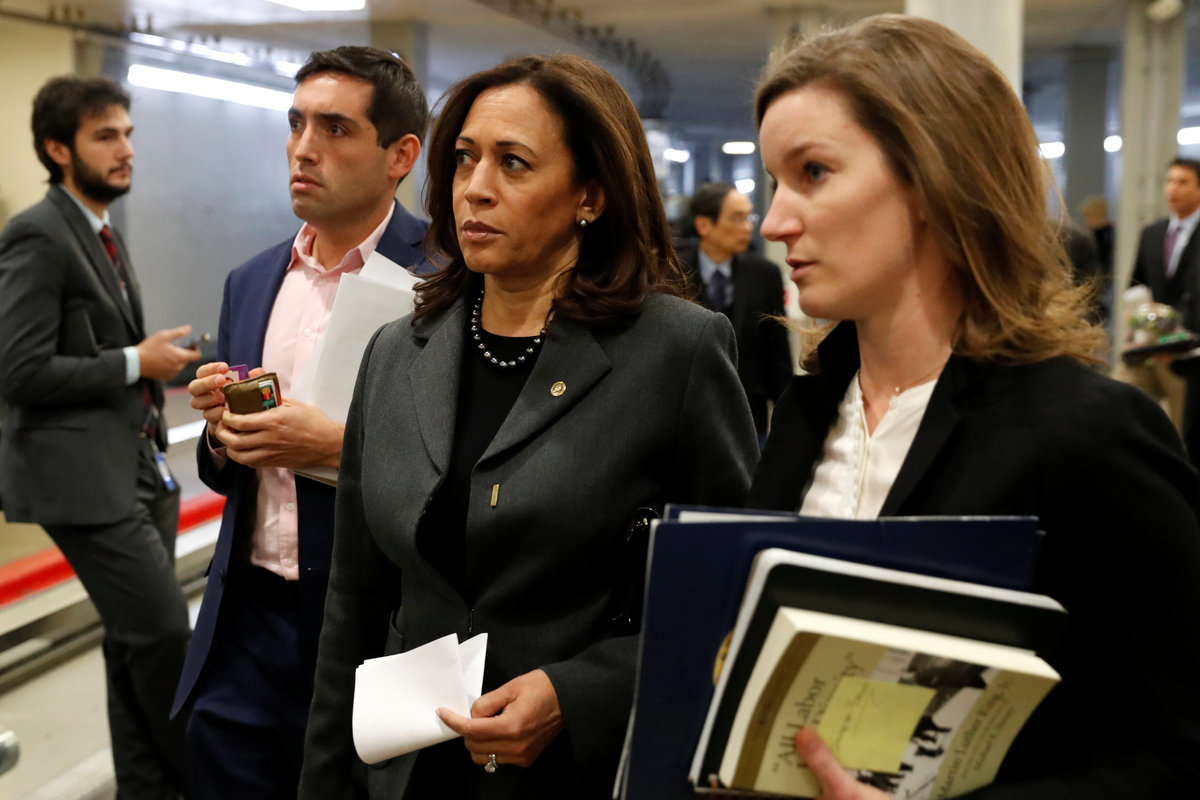
U.S. Senator Cory Booker (D-NJ), trailed by Senator Ed Markey (D-MA), Senator Bill Nelson (D-FL) and Senator James Lankford (R-OK), arrives ahead of a vote on a bill to renew the National Security Agency's warrantless internet surveillance program, at the U.S. Capitol in Washington, U.S. January 18, 2018. REUTERS/Jonathan ErnstReporters trail U.S. Senator Joe Manchin (D-WV) as he arrives ahead of a vote on a bill to renew the National Security Agency's warrantless internet surveillance program, at the U.S. Capitol in Washington, U.S. January 18, 2018. REUTERS/Jonathan ErnstReporters trail U.S. Senator Ted Cruz (R-TX) as he arrives ahead of a vote on a bill to renew the National Security Agency's warrantless internet surveillance program, at the U.S. Capitol in Washington, U.S. January 18, 2018. REUTERS/Jonathan ErnstReporters trail U.S. Senator Dianne Feinstein (D-CA) as she arrives ahead of a vote on a bill to renew the National Security Agency's warrantless internet surveillance program, at the U.S. Capitol in Washington, U.S. January 18, 2018. REUTERS/Jonathan ErnstU.S. Senator Chuck Grassley (R-IA) arrives ahead of a vote on a bill to renew the National Security Agency's warrantless internet surveillance program, at the U.S. Capitol in Washington, U.S. January 18, 2018. REUTERS/Jonathan ErnstReporters trail U.S. Senator Bob Corker (R-TN) as he arrives ahead of a vote on a bill to renew the National Security Agency's warrantless internet surveillance program, at the U.S. Capitol in Washington, U.S. January 18, 2018. REUTERS/Jonathan ErnstReporters trail U.S. Senator Susan Collins (R-ME) as she arrives ahead of a vote on a bill to renew the National Security Agency's warrantless internet surveillance program, at the U.S. Capitol in Washington, U.S. January 18, 2018. REUTERS/Jonathan ErnstU.S. Senator Kamala Harris (D-CA) arrives ahead of a vote on a bill to renew the National Security Agency's warrantless internet surveillance program, at the U.S. Capitol in Washington, U.S. January 18, 2018. REUTERS/Jonathan ErnstU.S. Senator Lindsey Graham (R-SC) talks to reporters as he arrives ahead of a vote on a bill to renew the National Security Agency’s warrantless internet surveillance program, at the U.S. Capitol in Washington, U.S. January 18, 2018. REUTERS/Jonathan ErnstU.S. Senator Lindsey Graham (R-SC) arrives ahead of a vote on a bill to renew the National Security Agency's warrantless internet surveillance program, at the U.S. Capitol in Washington, U.S. January 18, 2018. REUTERS/Jonathan ErnstU.S. Senator Elizabeth Warren (D-MA) arrives ahead of a vote on a bill to renew the National Security Agency's warrantless internet surveillance program, at the U.S. Capitol in Washington, U.S. January 18, 2018. REUTERS/Jonathan Ernst
Sign up to read this article
Read news from 100’s of titles, curated specifically for you.