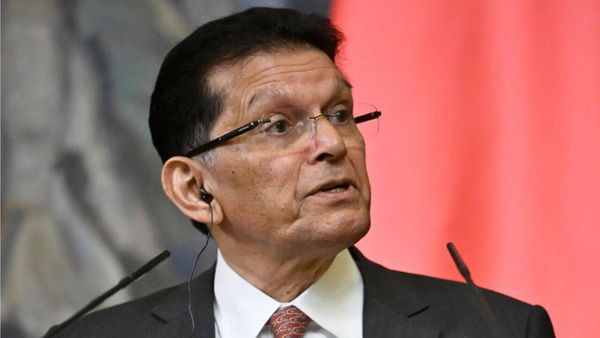
With lawmakers eager to push through a critical aid package before they head off to the holidays, the failure of Senate negotiators over the weekend to reach a border security deal has led to growing pessimism. A range of Senators, including the likes of Independent Kyrsten Sinema, Democrat Chris Murphy, and Republican James Lankford, have been working with the administration to develop a more restrictive approach to border issues. Several Republicans, however, have already voiced their disagreement, calling for a postponement of the discussion until January.
Concerns persist over the logistics of crafting a bill, even if an agreement in principle were reached among the negotiators. As individual members voice objections from both ends of the political spectrum, the challenges of navigating the legislative process are becoming increasingly clear. While certain factions see the President as ceding too much control over border policies, including the expulsion of migrants and adjustments to asylum rules, others are keen on maintaining the stringent stance established by the GOP House.
Twitter Post On Senate negotiators fail to reach border security deal again
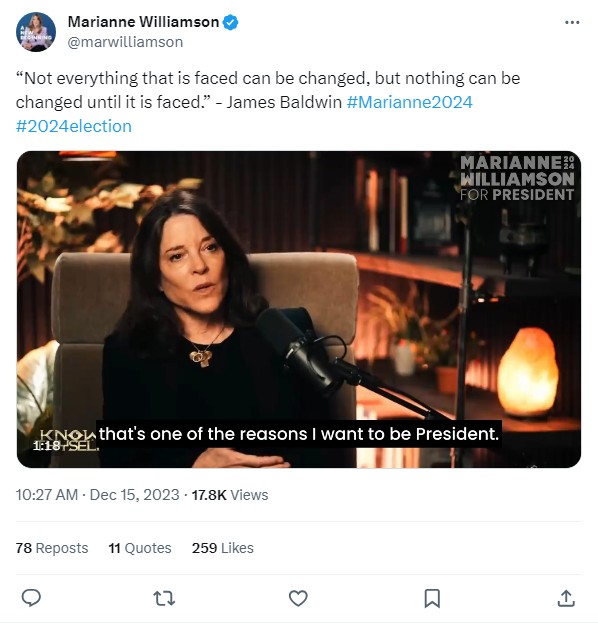

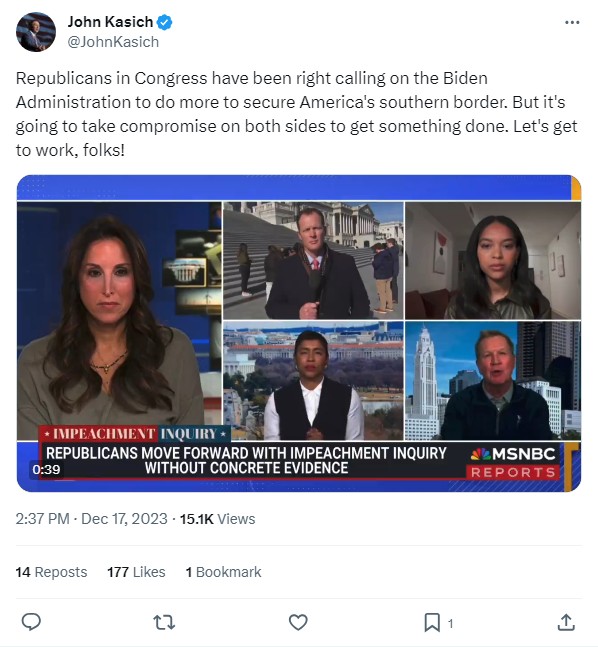
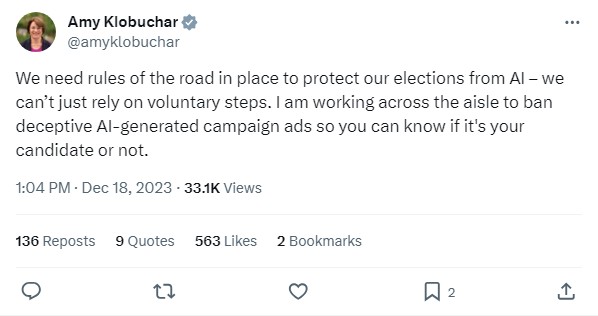
There are indicators that the White House and President Biden are feeling the pressure to step up their involvement in these negotiations, particularly given the persistent emphasis on the need for Ukraine aid. However, the Republicans remain unperturbed, content to wait until they reconvene in January. It seems that border control is a potent issue that the Republicans can wield against Biden, especially with the upcoming election year.
According to a Monmouth poll, Biden's policy approval on various issues is less than stellar — with immigration, his weakest point, earning approval from just 26% of respondents. As Biden grapples with his lowest approval ratings yet, his first order of business is to rally his natural allies. Unfortunately, the policies under consideration, reminiscent of former Trump-era policies, are politically unpalatable, which further complicates the path to a compromise. Despite these obstacles, it is critically important for Biden's administration to build the coalition that won him the 2020 election, with a particular focus on young voters, immigrant voters, and people of color.