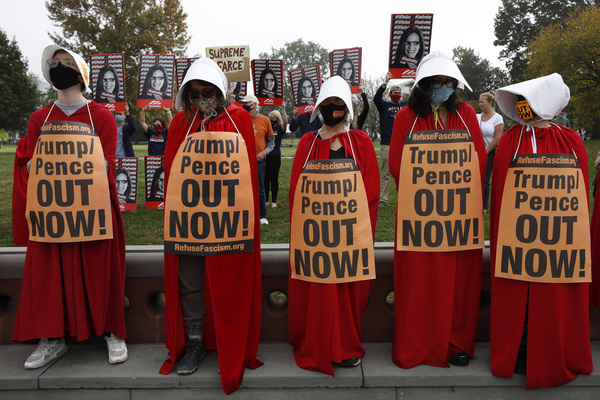
WASHINGTON — Republicans on the Senate Judiciary Committee on Thursday overcame a boycott by Democrats to approve Judge Amy Coney Barrett for the Supreme Court, sending President Donald Trump's third pick for the high court to the full Senate for confirmation as early as next week.
With all 12 Republicans supporting her nomination, Sen. Lindsey Graham, R-S.C., the committee's chairman, called it a "unanimous vote," though none of the panel's 10 Democrats were present. In the committee room, Democrats instead put in their chairs large photos of people who benefited from the Affordable Care Act and risked losing their coverage if the court were to invalidate the law.
Barrett's nomination is expected to move to the full Senate floor Friday. Senate Majority Leader Mitch McConnell, R-Ky., plans to hold a procedural vote on the confirmation Sunday and a final vote on Monday. Republicans, eager to cement a 6-3 conservative majority on the Supreme Court just days before the presidential election, are expected to have the votes needed to approve her.
Democrats boycotted as a sign of protest. They say Barrett's nomination is illegitimate because Republicans are refusing to abide by their promise, and their 2016 precedent, not to confirm a justice in an election year. In 2016, the Senate refused to consider Merrick Garland, nominated by President Barack Obama almost eight months before the election.
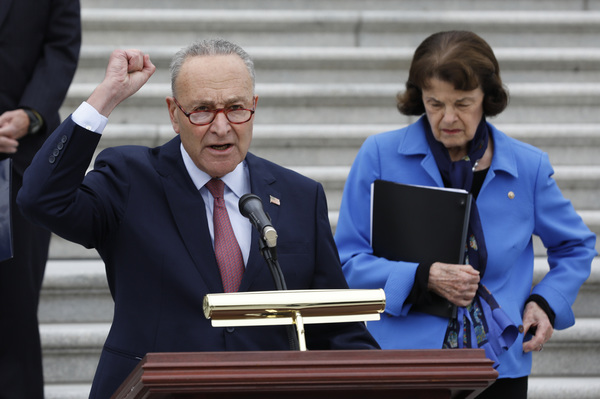
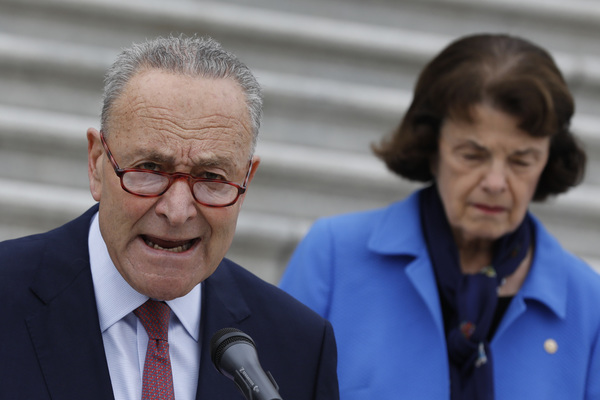
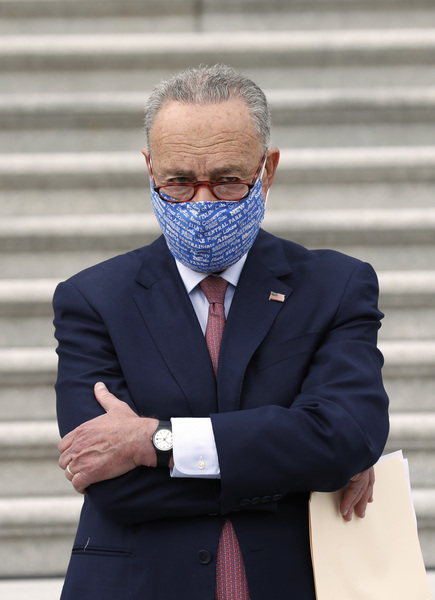
Senate Minority Leader Charles E. Schumer, D-N.Y., called it the "most illegitimate process I have ever witnessed in the Senate," adding that "Democrats will not lend a single ounce of legitimacy to this awful, awful hearing."
Democrats decried Barrett's record, warning that she would be a deciding vote against the Affordable Care Act in a case the court is scheduled to hear one week after the election, and against the Roe vs. Wade decision in one of several abortion cases that could work their way up to the court in the coming years.
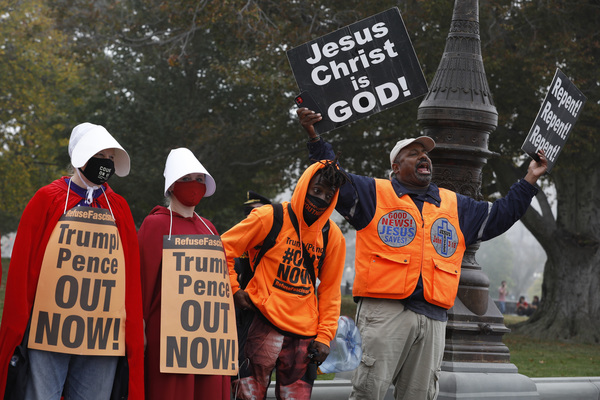
Sen. John Cornyn, R-Texas, called it "surreal" for Democrats to boycott an important vote. He compared the pictures Democrats had set up to those that sporting venues had put in their stadium seats during games throughout the pandemic.
"Rather than show up and do their job, they choose to continue the theater that was part of the hearing," he said.
Democrats on the committee were under mounting pressure from progressives to make a bigger stand against Barrett's confirmation. Sen. Dianne Feinstein, D-Calif., in particular has been under intense scrutiny by fellow Democrats after praising Graham's handling of the nomination, undercutting Democrats' message.
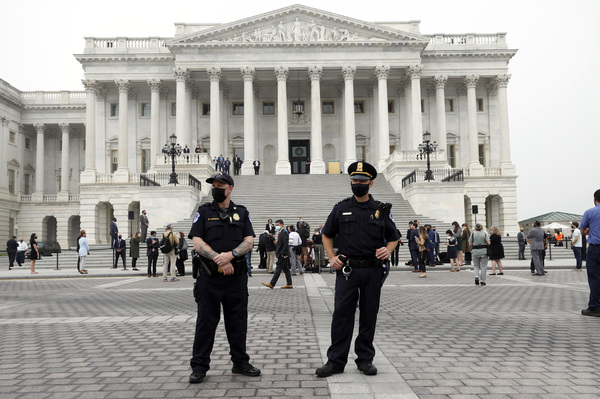
Progressives argue that allowing the nomination to move under normal business terms lends credence to the Republican effort.
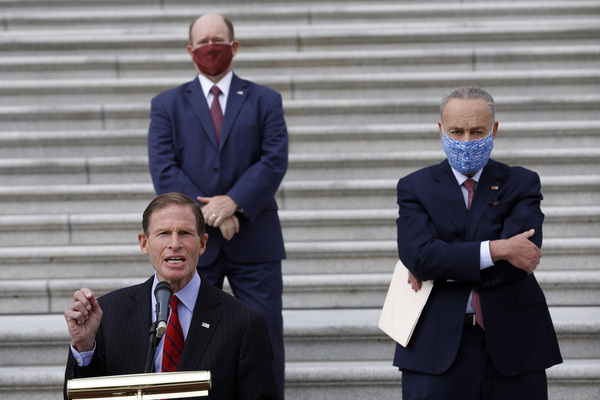
Feinstein and other Democrats, in a news conference Thursday on the Capitol steps, defended their effort to try to defeat Barrett, pointing out that if McConnell has the votes — he appears to have 51, one more than he needs — there is nothing Democrats can do to stop the process.
"Democratic members of the Judiciary Committee did not have the votes to defeat Judge Barrett in committee," Feinstein said. "At that point, there was no further reason to participate in a committee process that has been used to rush this nominee forward."
Democrats' boycott of the vote threatened to force Republicans to violate the committee's quorum requirements, which demand that two members of the minority party be present for votes. But no one challenged the quorum requirement Thursday.