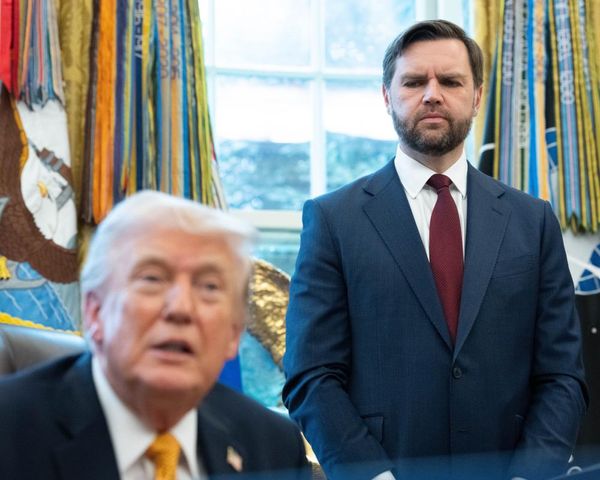
WASHINGTON _ President Donald Trump's nominee to head the CIA, Rep. Mike Pompeo, was overwhelmingly confirmed Monday by the Senate.
Senators voted 66-32 despite resistance from a core group of Democrats who remained critical of Pompeo's shifting views on the government's surveillance programs. They also wanted assurances he would oppose torture as an interrogation technique and continue the investigation of Russia's influence in the 2016 election.
One Republican, Sen. Rand Paul of Kentucky, joined more than half the Democratic senators in opposition.
"He is the wrong man for the job," said Sen. Ron Wyden, D-Ore., who led the opposition.
Trump had hoped to have his national security team in place on Inauguration Day, but Democrats stalled Pompeo's confirmation, drawing a sharp rebuke from Republicans who warned against leaving the top intelligence job vacant. He could be sworn into office Monday night at the White House.
Pompeo, a four-term Kansas congressman, brings military and business experience to the CIA, having graduated at the top of his class at West Point before earning a law degree from Harvard University.
"This is a man who understands exactly what it takes to keep America safe," said Republican Sen. Tom Cotton of Arkansas.
During his confirmation hearing, Pompeo broke with Trump over the intelligence community's assessment of Russian meddling in the election, saying he found the report "sound." It concluded that Russian intelligence agencies hacked computers and spread fake news in an effort to help elect Trump.
"It's pretty clear what took place here about Russian involvement in efforts to hack information and to have an impact on American democracy," Pompeo said. "I'm pretty clear-eyed about that."
He vowed to continue to investigate Russia's attempts to influence the U.S. political process, even if it led to problems for Trump.
"I promise you I will pursue the facts wherever they take us ... with respect to this issue and with respect to every other issue," he said.
But some lawmakers remained skeptical. Wyden pointed to differences in the congressman's views on the nation's surveillance program and other issues. Congress has sought to curtail federal surveillance programs affecting Americans in the aftermath of disclosures by former government contractor Edward Snowden of widespread collection of communications data.