Seen from the sky: polluted waters around the world
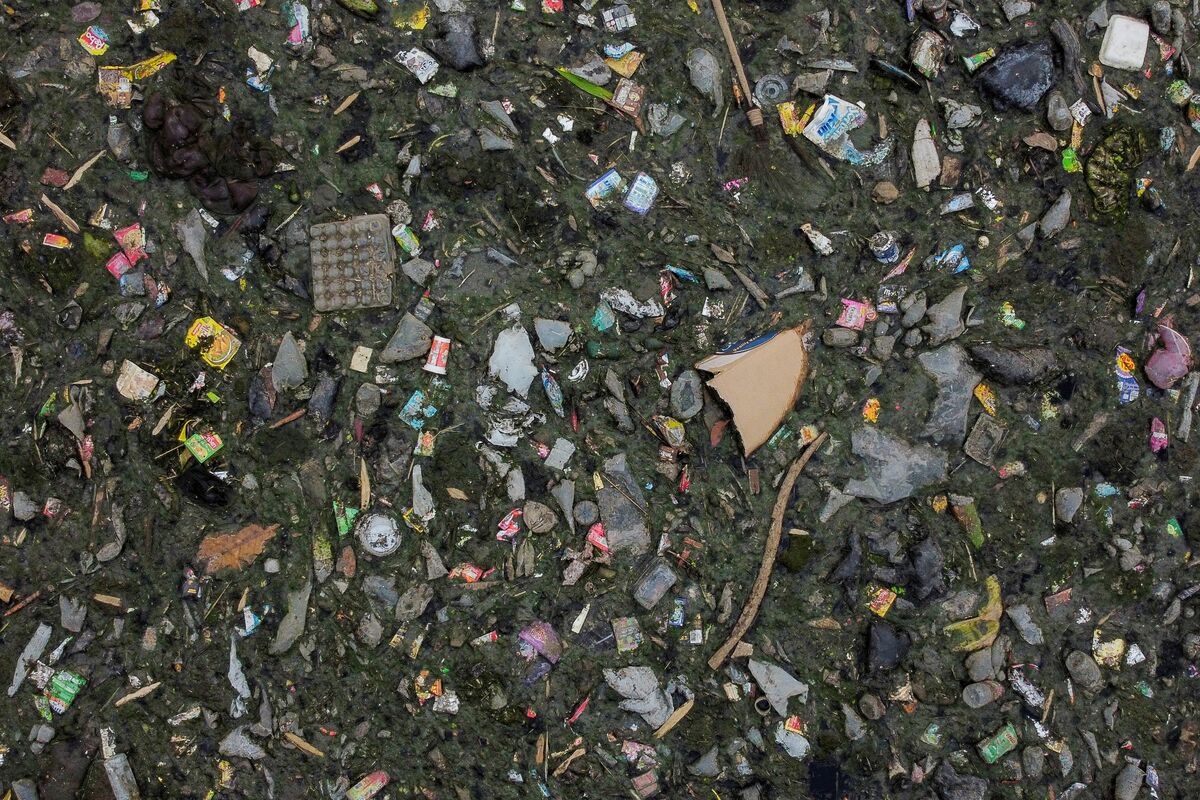
An aerial view shows domestic waste floating on the stream of the Citarum river in Bandung, Indonesia, March 15, 2021. The government has pledged to clean the Citarum river, considered among the world's most polluted, and make the water there drinkable by 2025, but household and industrial waste have continued to flow in its stream. REUTERS/Willy Kurniawan
About 4 billion people experience severe water shortages for at least one month a year and around 1.6 billion people - almost a quarter of the world's population - have problems accessing a clean, safe water supply, according to the United Nations.
While the UN's Sustainable Development Goals call for water and sanitation for all by 2030, the world body says water scarcity is increasing and more than half the world's population will be living in water-stressed regions by 2050.
In the run-up to the UN's World Water Day on March 22, Reuters photographers used drones to capture dramatic pictures and video of polluted waterways around the world.
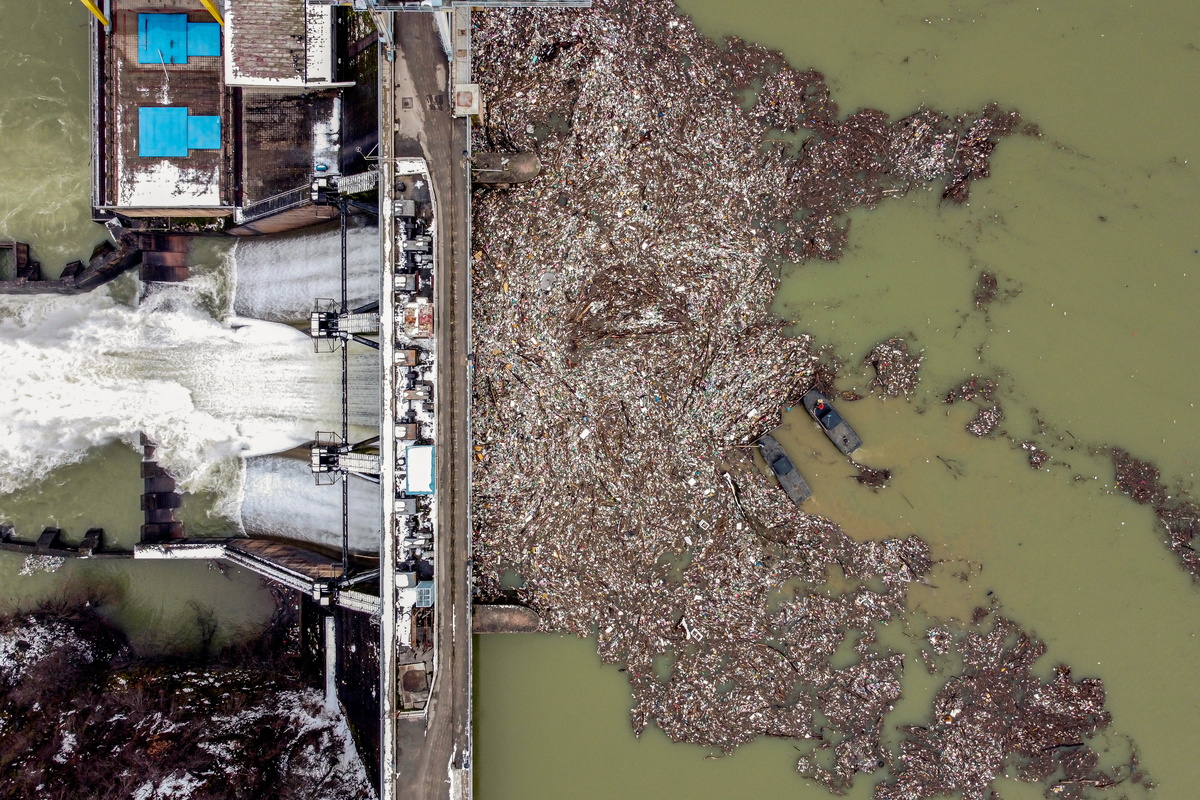
FILE PHOTO: An aerial view shows workers collecting plastic trash that litters the polluted Potpecko Lake near a dam's hydroelectric plant near the town of Priboj, Serbia, January 29, 2021. Two barges sailed up and down a vast stretch of floating trash on the Potpecko artificial lake in Serbia, collecting tons of garbage that almost clogged the dam that crosses it. The river Lim which fills the lake is swollen by melting snows, and according to activists, it has carried in more than 20,000 cubic meters of plastics from unregulated dumps along its banks in Serbia, Montenegro and Bosnia. As the garbage also threatened the functioning of a hydroelectric plant, authorities in Belgrade ordered an immediate clean-up. The operators collect up to 100 cubic meters of plastic and other trash daily and take it to a landfill about 80 km (50 miles) away. REUTERS/Marko Djurica
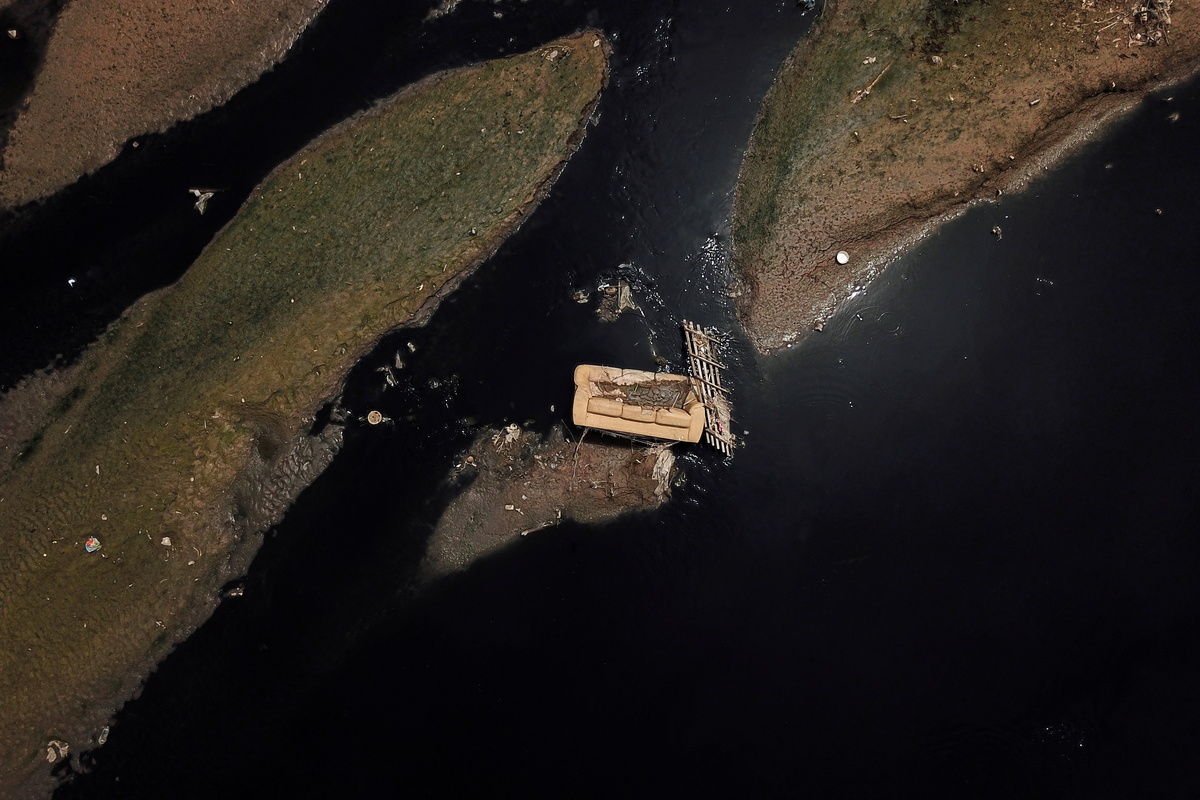
In one image, a discarded sofa lies beached in the Tiete river, in Brazil's biggest city Sao Paulo, into which hundreds of tonnes of untreated sewage and waste are tipped each day.
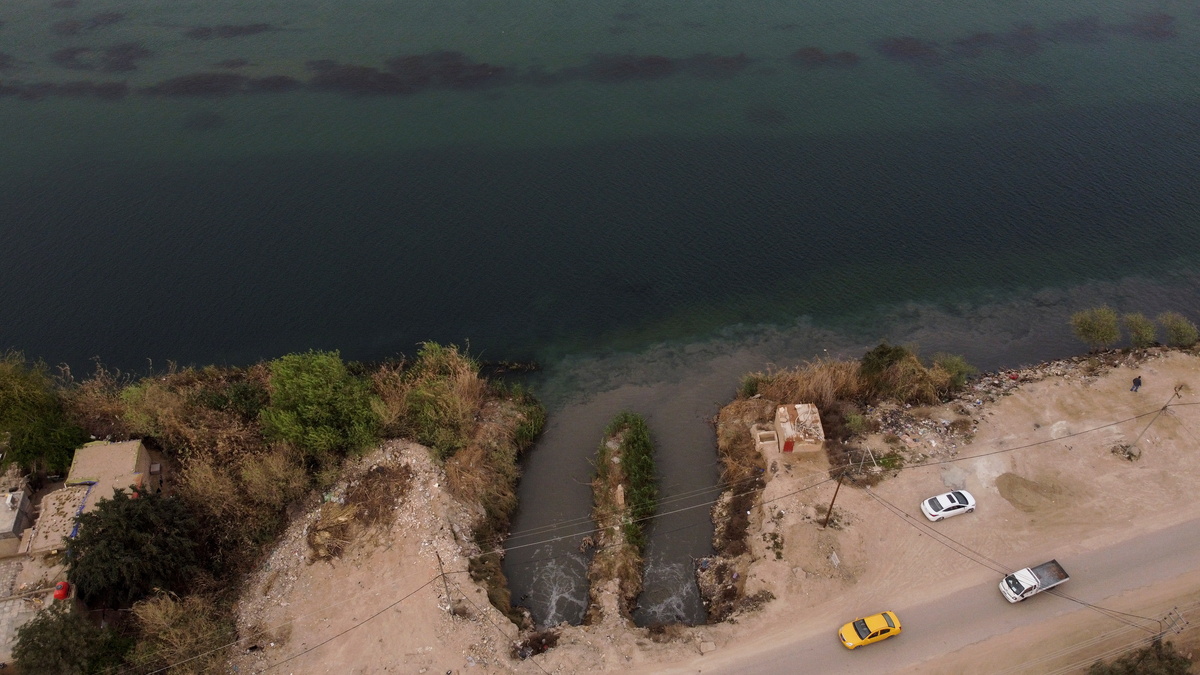
Others show domestic waste clogging the Citarum river in Bandung, Indonesia, and sewage flowing into the Euphrates in Najaf, Iraq.
Dr Julia Brown, a human geographer specialising in environment and development at the University of Portsmouth, said many countries with water-intensive agriculture and industry lacked adequate safe drinking water.
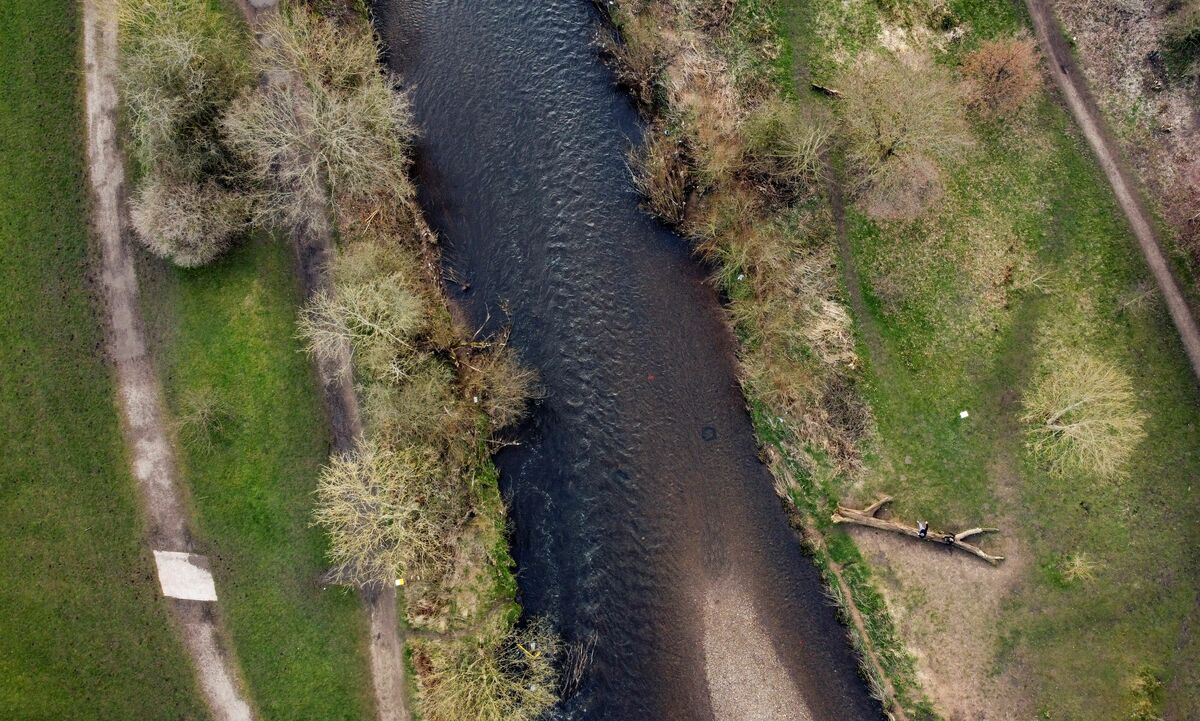
An aerial view shows people walking along the bank of the River Tame near Denton, Britain, March 17, 2021. A University of Manchester report in 2018 found that the River Tame near Denton had 'the worst' level of micro-plastic pollution ever recorded anywhere in the world at that time. REUTERS/Phil Noble
"When we buy products and buy food and clothing we don't always appreciate that we're actually importing somebody else's water and often those countries where we're importing water from, like in avocados or our denim jeans, they're actually very water-scarce countries," she told Reuters.
Brown added that, while extending access to water was important, maintaining that access in some of the poorest parts of the world was often overlooked.
"NGOs like to have their photographs taken with a shiny new hand pump ... then they walk away and it's handed over to communities to raise the funds to maintain these systems, to make sure that they're repaired. And if they're not?" she said.
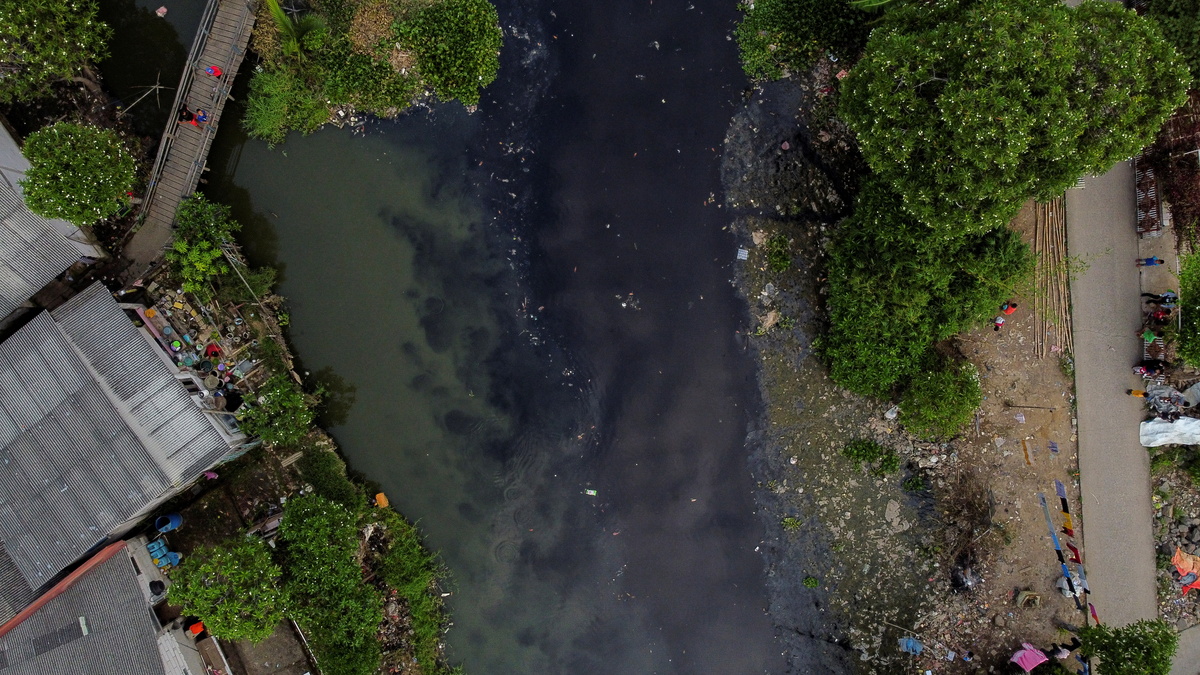
An aerial view shows people fishing from a wooden bridge at the Pisang Batu river, which flows through a densely populated area and is polluted by domestic waste, in Bekasi, on the outskirts of Jakarta, Indonesia, March 16, 2021. Pisang Batu river, on the outskirts of Jakarta, made national headlines in 2019 after plastic garbage and organic waste from nearby households completely covered its surface stretching 1.5 kilometres. The river has fewer waste after several cleanup operations, but the water is black, emitting a strong odour. REUTERS/Willy Kurniawan
"The research indicates at any one time one third of hand pumps across Sub-Saharan Africa are broken."
(Writing by Stuart McDill and Alex Richardson; Editing by Mike Collett-White)
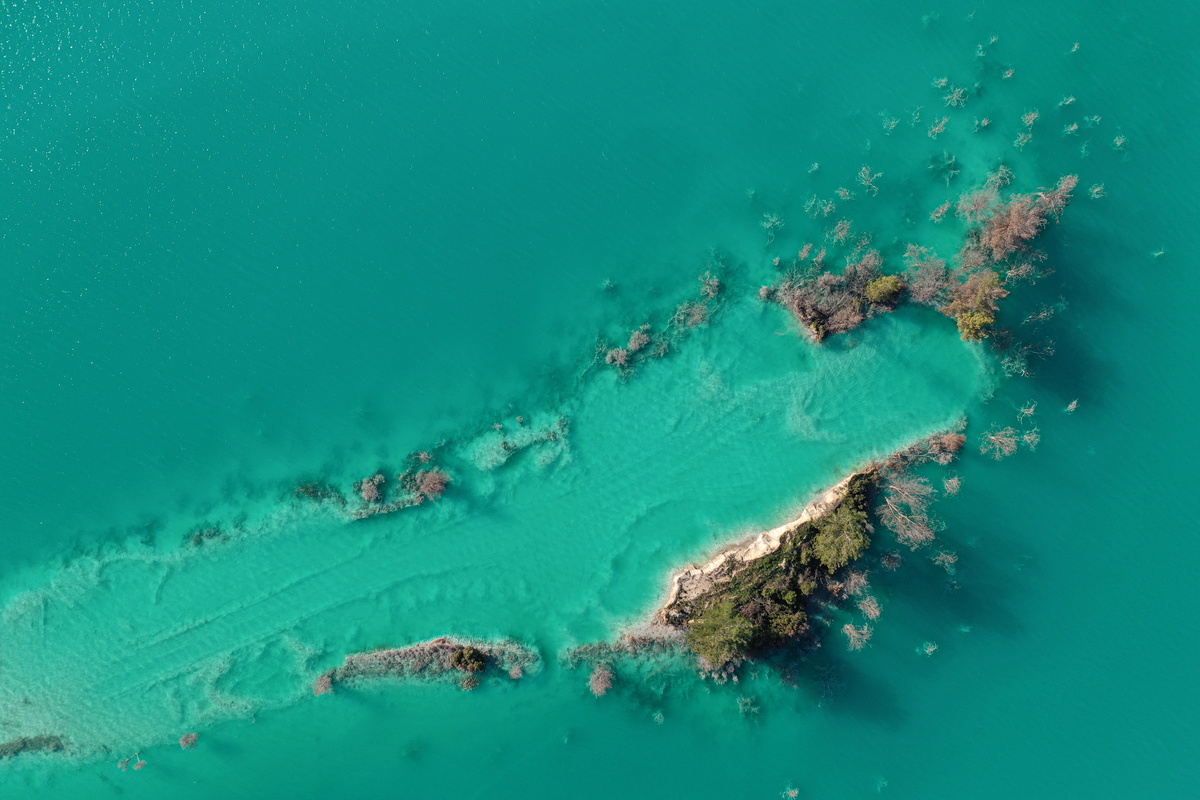
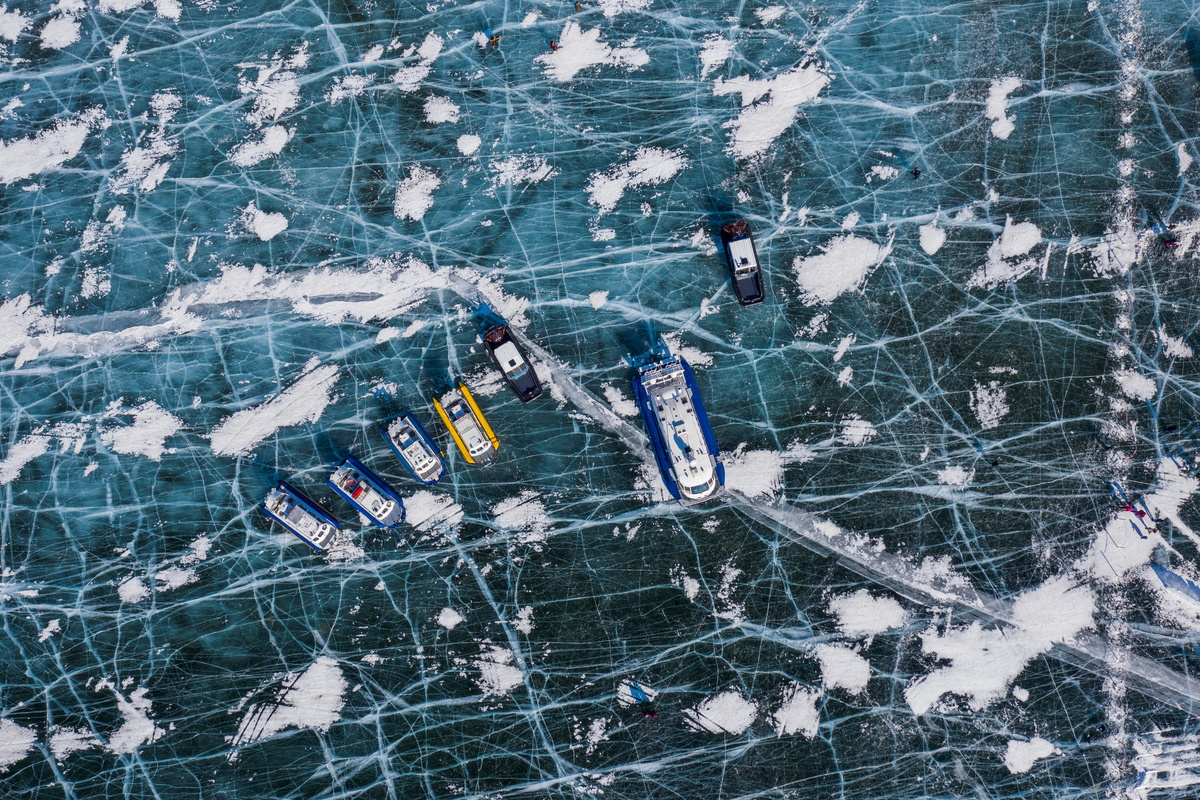
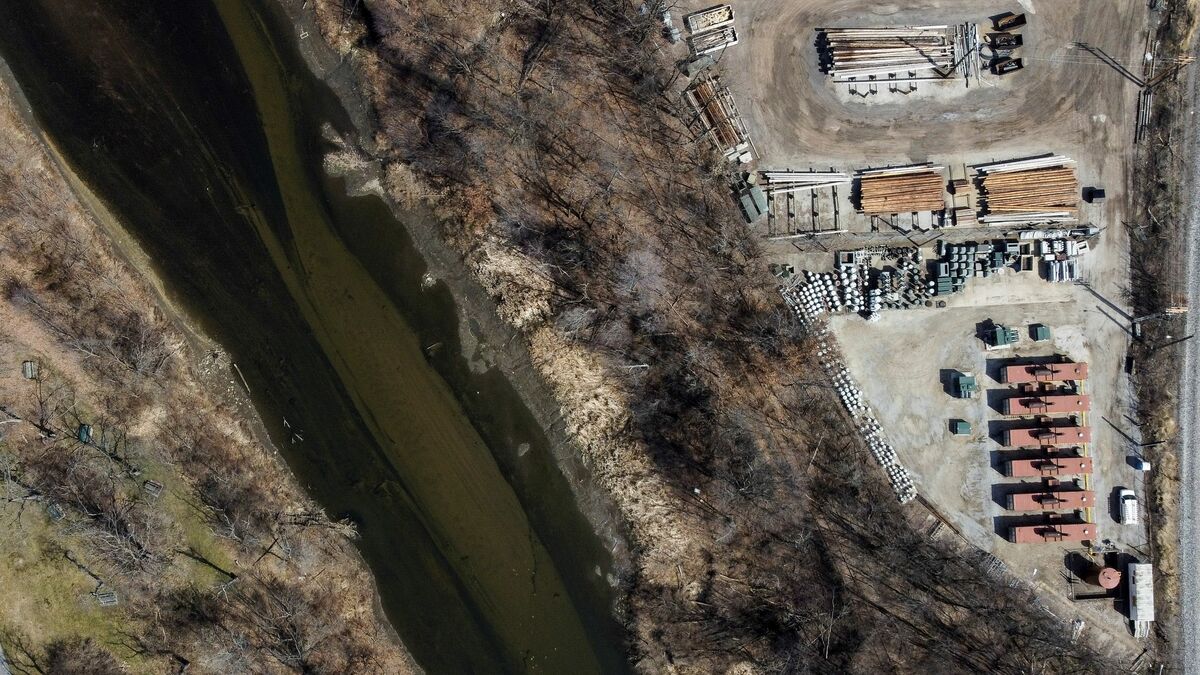
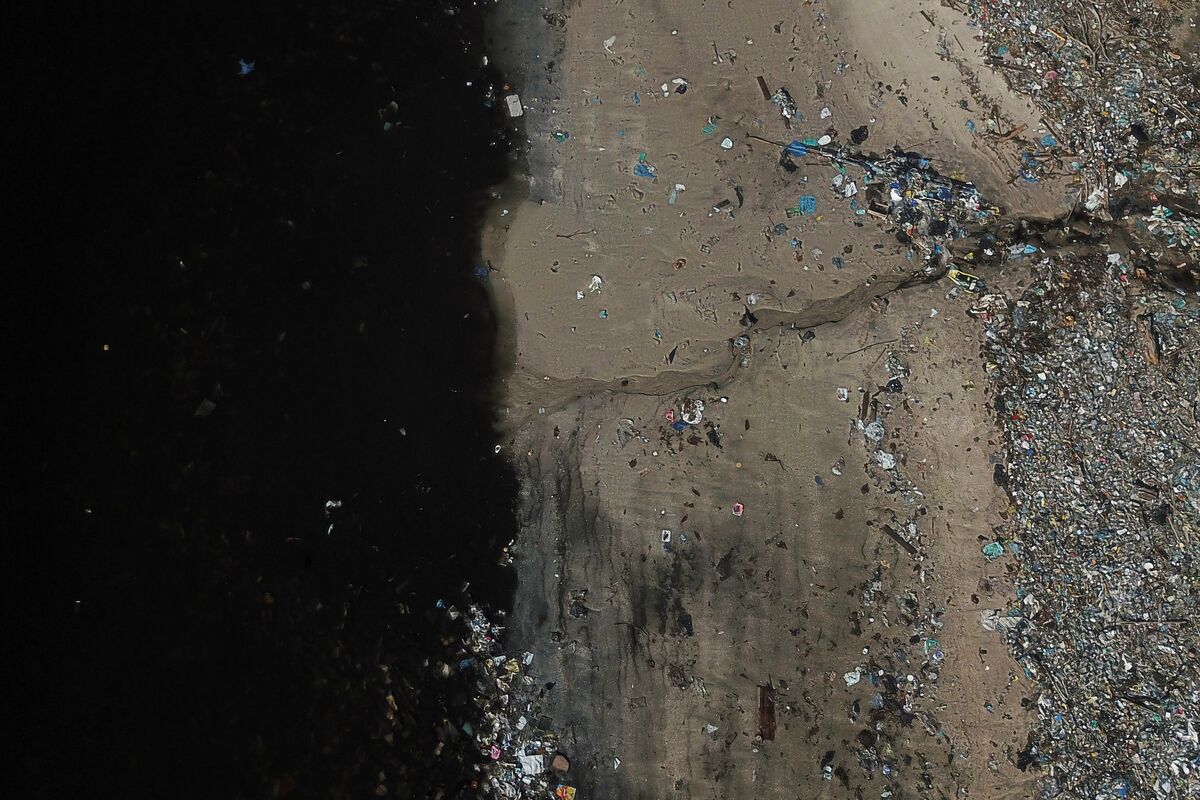
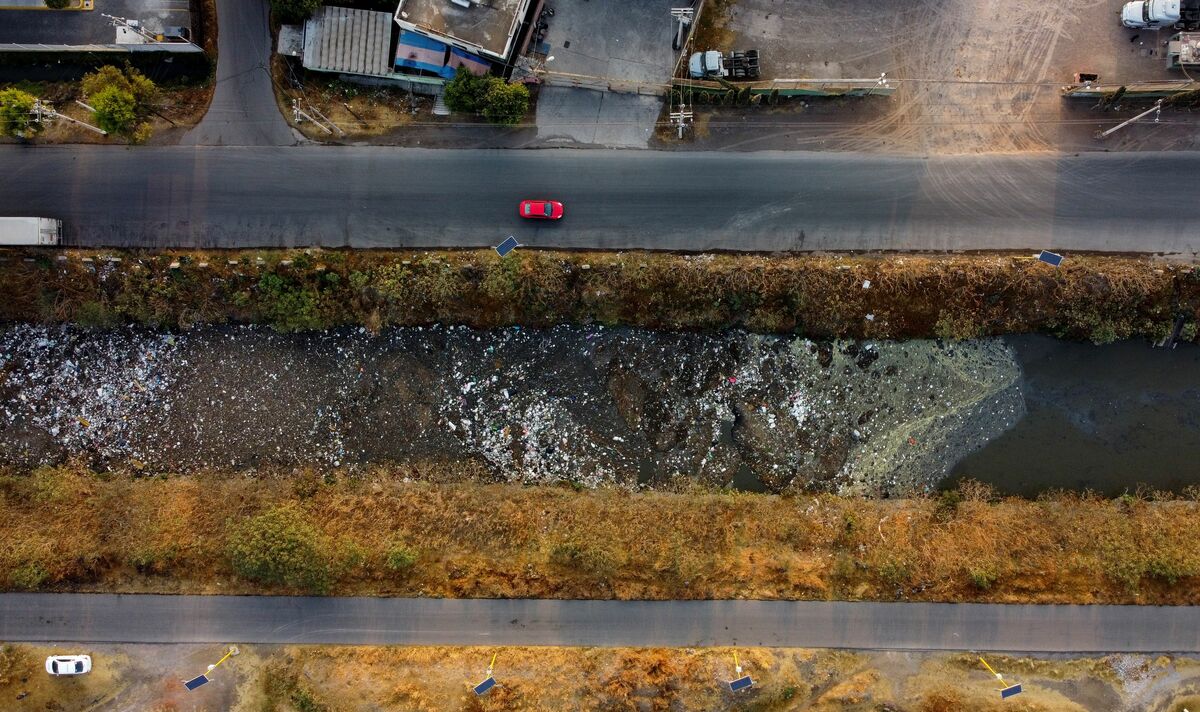
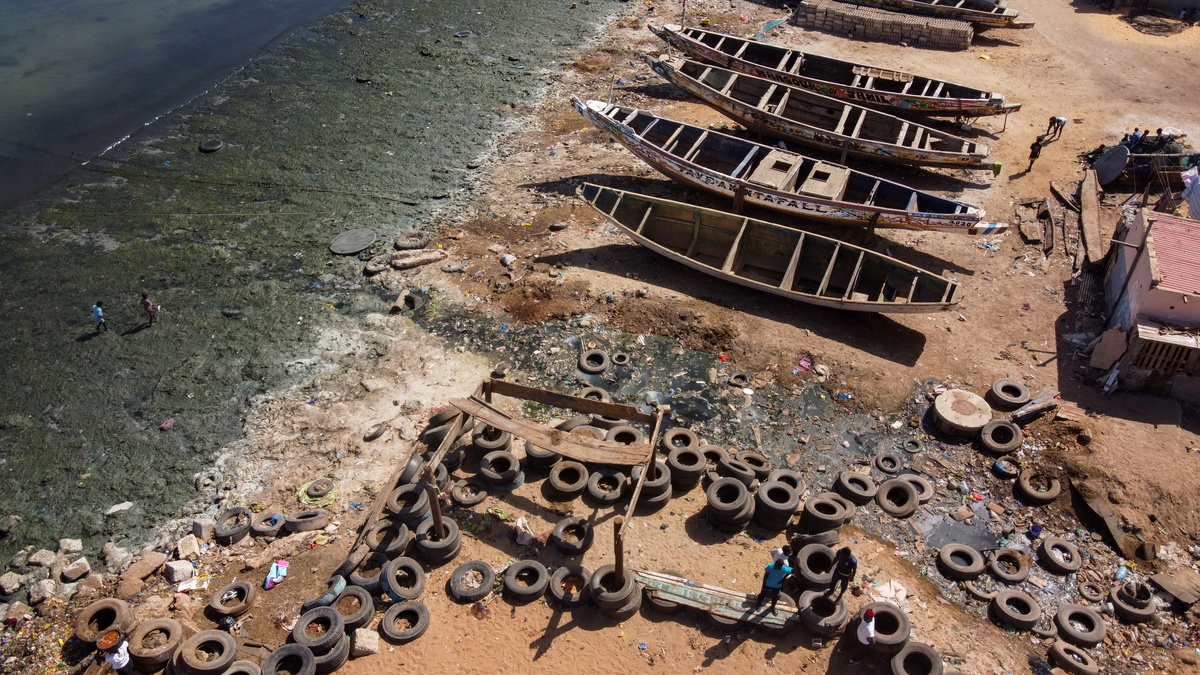
An aerial view shows rotten trees in a toxic lake near southwestern town of Yatagan in Mugla province, Turkey, February 24, 2021. The toxic lake, known as an ash dam, is created by a mix of waste water and polluted ash which are both produced at the nearby Yatagan power station, according to environmental activist Deniz Gumusel. The lake contains heavy metals such as selenium, cadmium, boron, nickel, copper and zinc that are leaking into the earth and groundwater of the Yatagan Plain, an agricultural plain that feeds both Yatagan and Mugla towns. It is one of 15 ash dams in Turkey, which environmental organizations are trying to tackle, to stop them from causing further damage to nature. REUTERS/Umit Bektas An aerial view shows hoverboats on the ice of lake Baikal near the village of Bolshoye Goloustnoye in Irkutsk region, Russia, March 8, 2021. Lake Baikal remains one of the world's cleanest fresh water reservoirs. But pollution and the growth of weeds are harming microorganisms, sponges and some molluscs that filter its waters. The Baikal pulp and paper mill and its sewage treatment facilities were closed seven years ago, but pollution has spread significantly since then, according to local media. That, some experts say, is because pollution left behind at the industrial site is draining into the lake. REUTERS/Maxim Shemetov An aerial view shows the Cuyahoga River in Akron, Ohio, U.S., March 17, 2021. In 1969 the Cuyahoga River caught fire due to pollution, causing congress to pass the clean water act and the Ohio EPA was formed. REUTERS/Megan Jelinger An aerial view shows disposed garbage on the shore of Guanabara bay in Rio de Janeiro, Brazil, March 17, 2021. One of the legacy promises of the 2016 Olympic Games in Rio de Janeiro was the cleanup of Guanabara Bay. After four years, the situation has worsened, according to data from state environmental institute Inea. The environmental degradation of the water bodies in metropolitan Rio is putting at both local ecosystems and public health at risk, says Brazilian biologist Mario Moscatelli. REUTERS/Pilar Olivares An aerial view shows cars moving next to the Interceptor Poniente canal in Cuautitlan, State of Mexico, Mexico, March 18, 2021. Drainage system waterways around densely-populated Mexico City, like the Interceptor Poniente, are heavily polluted with sewage and trash from nearby communities. Access to reliable water services is limited in low-income areas. Mexico has one of the lowest shares of its population connected to public wastewater treatment plants in the Organization for Economic Co-operation and Development, according to the agency. REUTERS/Carlos Jasso An aerial view shows water contaminated with raw sewage flowing via open channels into the ocean at Hann Bay on the eastern edge of Dakar's peninsula, whose sandy shorefront is discoloured by stagnant algae, in Dakar, Senegal, March 17, 2021. Inadequate sewer infrastructure in the adjacent neighbourhoods of Hann-Bel-air and Mbao means large amounts of solid and liquid waste is released into the bay untreated year-round. On Hann beach, an artisanal fishing hub, old tyres lie around a canal filed with putrid water and trash. "We live in sickness here, because our families are in direct contact with this water and this waste," said fisherman and local resident Pape Malick Ba. Last September, the water and sanitation ministry launched a long-promised project to clean up Hann bay at a cost of 93 billion CFA francs ($168 million). As residents wait for it to yield results, they struggle to keep their beaches clean through citizen initiatives. REUTERS/Zohra Bensemra An aerial view shows a discarded sofa on the Tiete river near Ecological Tiete Park in Sao Paulo, Brazil, March 17, 2021. The Rio Tiete, which flows like a vast open sewer though Brazil's largest city Sao Paulo, is among the most polluted in the country. Over 100 km of the river are considered dead or too polluted for almost all marine life. The stinking river, which receives hundreds of tonnes of untreated sewage and waste every day, is a black mark on Brazil's wealthiest city. REUTERS/Amanda Perobelli An aerial view shows a drain pipe feeding into the Euphrates River carrying sewage, near Najaf, Iraq, March 16, 2021. REUTERS/Thaier Al-Sudani
Sign up to read this article
Read news from 100’s of titles, curated specifically for you.