Despite her promising future, Nui* -- an attractive office secretary in her early 30s -- decides to live stream her suicide attempt on Facebook by taking an overdose of painkillers to get back at her cheating husband.
Her 10-year-old daughter finds her semi-conscious lifeless body and calls the paramedics. They rush to the scene but are not able to resuscitate her.
"Another senseless death," comments the television news anchor as she goes on to report on the next piece of news on her monitor.
In less than 24 hours, more television news coverage of a similar nature unfolds. This time a young teen has decided to end his life because of cyber bullying, ingesting bathroom liquid cleaner to end his misery, explains the news anchor.
Unfortunately, by the time his parents found him, he was long gone.
Thailand has seen a number of media reports on suicides in recent weeks. Last week alone, six university students were reported to have ended their lives. In this regard, global research reports widespread coverage on suicides in the media has long been thought to be capable of triggering copycat suicides. During the past weeks in Thailand, there have been several cases of suicides in which victims shared a similar suicidal method -- gassing themselves, mostly in their vehicles. In most cases, the media covered not just the deceased but also tiny little details about how the suicides were carried out. Sometimes the implements were even put on television.
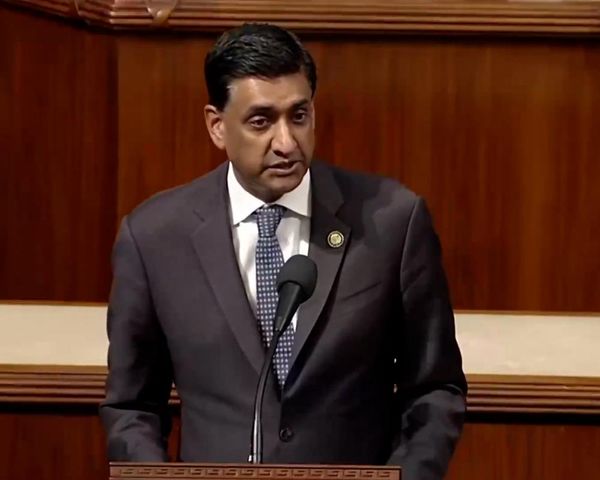
"There are troubled people who might solve their life's problems, which can come in the form of a hasty divorce, terminal illness or the sudden death of a loved one, through suicide," explained Dr Apichat Jariyavilas, psychiatrist and spokesperson for the Department of Mental Health, Ministry of Public Health. "Mentally troubled persons in society may simply copy the behaviour of troubled people in the suicide stories, especially when the coverage goes in lengthy detail of how it unfolded."
Another social learning theory is of a more complex nature, involving the process of differential identification, he added. Here people identify with a type of story that has a huge impact on them.
"Here people who tend to copy suicides of other people, they would be expected to copy the ones of celebrities over suicides of ordinary people. One of the most understudied explanations focuses on audience mood. The most central to this are news stories of conditions in society that are so intense that it drives or leads to suicide. This can cause a copycat effect since more people are on the verge of suicide."
The World Health Organization (WHO) estimates more than 800,000 people commit suicide each year around the world. As for copycat suicide, data was collected following Robin Williams' death in 2017. It was found that following his death, the number of suicides among males aged from 30-44 years old increased by almost 13%. Shockingly, 32% of those cases were reported to have copied Williams' suicide technique.
Thailand's Ministry of Public Health reports that six in every 100,000 Thais committed suicide in 2017. The latest stats are yet to be published, but judging from media coverage of suicides across the country, the numbers don't seem to be lessening.
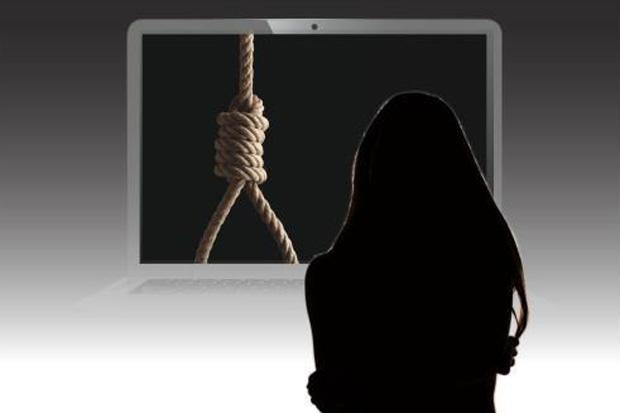
Social media has greatly influenced copycat suicides because it is at peoples' disposal 24/7, Dr Apichat said. "There is little to no censorship on sensitive issues such as suicides, which shows viewers disquieting content that can prove detrimental to their emotional state if not watched sensibly. It does not just impact the clinically depressed but rather everyone if one consumes such news in large amounts," he said.
Dr Apichat suggested that it is paramount to consider the need to carefully pick the type of news the public decides to watch on social media.
"As an emotionally healthy person you might think that viewing people hurt themselves on Facebook will not adversely impact you. This is not true.
"If you make it a habit to watch such video clips, it registers in your subconsciousness, so when you are facing a life crisis, be it the sudden loss of a loved one or collapse of a business, there is a high probability that in desperation you may choose a method of getting over your misery from what you watched on social media," he added.
People with suicidal tendencies often pick the most accessible way to end their life.
"If they are in possession of medication, they will overdose, and if they reside in a high rise condominium, they will opt to jump.
"Media coverage with graphic details can also lead to copycat suicides," he said.
When asked for guidelines in reporting news that may create public emotions to run high, he recommended that the media stick to general facts without getting into the nitty gritty details.
"If you have graphics accompanying your coverage, don't demonstrate the method used, for it could coax an already emotionally vulnerable person to follow suit. By keeping it to the minimum, you are also respecting the deceased's family. The media can be proactive to many ways. They can offer viewers and readers information on the suicide rate in the country, ongoing campaigns addressing this issue and methods people with suicidal tendencies can use when they feel desperate.
"Besides an appointment with a psychiatrist, the mental health hotline 1323 is another viable piece of information that must be added."
According to Dr Apichat, mainstream media has become more responsible in the manner they report on cases that impact people's emotions since the Department of Mental Health through the years has organised seminars to highlight responsible reporting.
From personal experience, he said, there have been patients he has had in the past who have credited the media for helping them combat suicidal thoughts through their mental health programmes, which encouraged them to seek professional help.
The media by and large is increasingly becoming a preventive mechanism to nip this issue in the bud. "I believe the media has the power to influence an emotionally unstable person to realise there is more to life than meets the eye.
"So instead of filling your news coverage with details that can adversely impact a person's decision to live, work on features and programmes that benefit a person's emotional health."
The role of family and friends is equally crucial in addressing the issue at its core, said the mental health expert.
For a start: "Pay greater notice to behavioural changes and take a keen interest in what is troubling a person dear to you. If you detect any usual behaviour that may manifest in forms of depression, aggression and the like, lend an ear and be nonjudgemental towards them. Don't feel their uncustomary behaviour is due to the fact they are asking for attention.
"Demonstrating love and affection can positively impact a troubled heart. Be their confidant and opt to take them to the psychiatrist if need be."
Watching the news as a family can help immunise people in their decision-making at times when they find themselves the most vulnerable. Educate the public to filter news in a more constructive manner, he said.
"In such a family setting, there can be an open dialogue whereby members can openly discuss issues that may bother them in the news that is presented. There can be guidance and a proper way of thinking instilled. Children should be encouraged to talk about their problems with the elders in the family. When an issue becomes a crisis address it by seeking medical advice.
"Suicides can occur at any age, the elderly have their share of issues that can drive them to take their life," he said. "That is why it is also important that family members remind them that they are loved and cherished. They should also be encouraged to share their inner feelings."
*not her real name