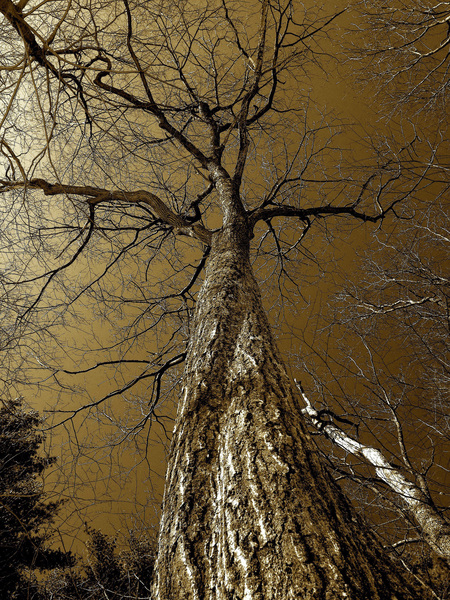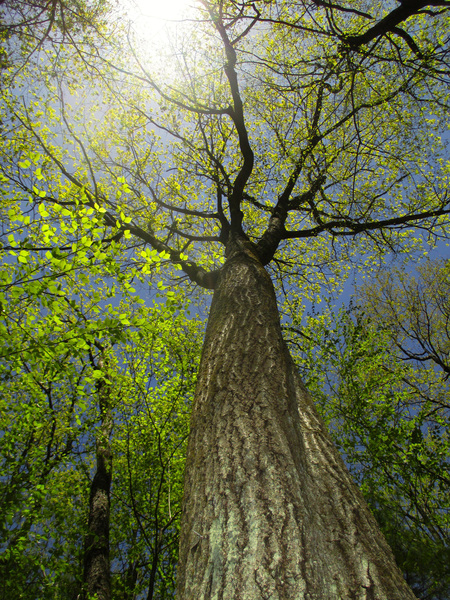
SEATTLE _ It is the time we wait for all winter, as spring's first green leaves unfurl. The joy we feel is the thrill of a new season, kicked off by the masterful work of trees.
Trees, it turns out, are up to far more marvelous things than we ordinarily think.
Mute, passive, unmoving, solitary? Actually, no. Trees talk. Move. Breathe. So numerous are their abilities, and so embedded in a continuum of thrumming life are trees, that to know even one well is to be dazzled.
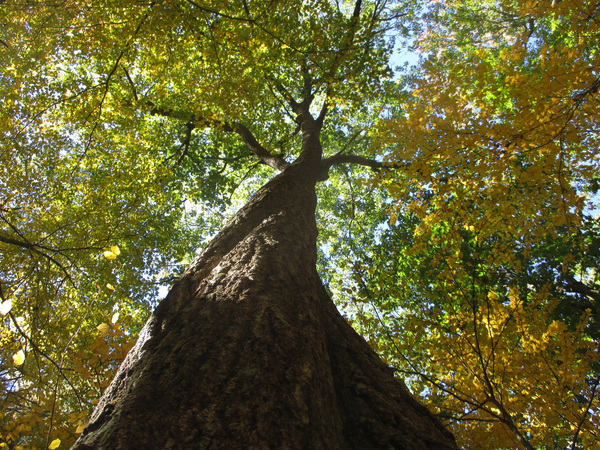
I learned this from one tree, in particular: a big oak I got to know over the better part of two years, from the tossed sunlit glory of its airy crown, to the small skitter of busy lives in the soil at its roots.
It all started by working with a scientist and his research crew, probing deeply into the lives of trees at Harvard Forest, a 4,000-acre laboratory of mostly scrappy third-growth trees, on former pastures and farms west of Boston. I was interested as a journalist in looking for new and better ways to tell the story of our changing climate. It has been a yawner for too many _ a distant debate about treaties, dueling science and doomsday scenarios. The stakes are high: the function of natural processes; the viability of habitats; even the survival of species, including our own. But the facts won't matter if we can't get anyone to pay attention.
What has been missing is the largely overlooked story of the delicate seasonal timing of the natural world, and how it is being disrupted. I was seeking the urgent testimony of living things to a world already changing around us.
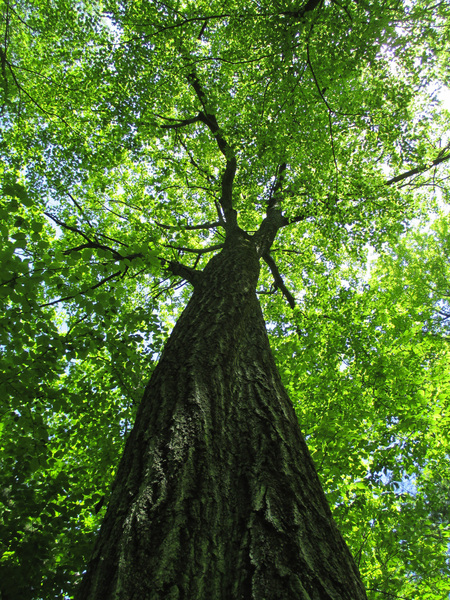
People everywhere have always observed the seasonal procession of the year, and drawn meaning from familiar patterns in the lives of plants and animals. We have a deep sense, built from daily observation, of what in nature is supposed to happen, where, and when. And an undeniable sense, too, that something important is happening when seasonal timing is out of whack. Birders know this. Gardeners do, too.
Now scientists are beginning to explore this everyday evidence of climate change, to reveal from changing seasonal rhythms the effects on the landscape.