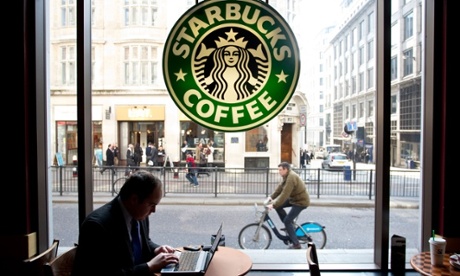
When Starbucks wanted to establish itself as a lifestyle as well as a coffee brand, it turned to music. The melange of songs that would play while baristas brewed espresso shots – whether classic soul cuts or crisp acoustic balladry from up-and-coming artists – would reflect the chain’s understated class. Sometimes they’d even be available right there at the counter, thanks to Starbucks’ decision to stock a small selection of CDs in each one of its outlets.
During the 2000s, the company invested in Hear Music, a Massachusetts-based record label that eventually, with Starbucks’ blessing, released albums by Joni Mitchell and Paul McCartney; establishing a station on the satellite-radio system XM called XM Café, which aired live shows by the likes of Dave Matthews Band and Steely Dan; and opening a few Hear Music-branded stores, which put CDs (including custom-made compilations) front and centre.
But being a music store hit Starbucks, like so many other companies. The most recent Hear Music-branded release remains McCartney’s 2013 full-length album New. XM Café dropped the Starbucks branding after a marketing agreement expired in 2008. The Hear Music shops quietly shut, reverting back to their coffee-shop origins.
And Starbucks – which, in many communities, is the only non-big-box outlet selling physical music for many miles – announced it would pull CDs from its shelves at the end of this month. The spiritual partnership between the cafe chain and music won’t end entirely; in a statement to Billboard, a spokesperson for the company said: “Music will remain a key component of our coffeehouse and retail experience,” and added a line about the company’s “curation” abilities.
But the presentation of CDs at the counter, right next to the other impulse items like packaged madeleines and mints, will be no longer.
From an economic perspective, Starbucks’ decision makes sense. After many years of hanging on, the CD – the format that, when Sony launched it in the early 1980s, represented the music business’s shiny new future – finally ceded market share to downloads. According to Nielsen, 140.8m CDs were sold in 2014, a new low that represented a 14% drop from 2013’s total; over the course of the year only two albums, Taylor Swift’s 1989 and the soundtrack to Disney’s Frozen, broke the million-sold mark in America.
That’s still a substantial number in context; 2014’s total album sales, which includes digital and vinyl units in addition to CDs, numbered 257m. Even that number had slipped substantially from 2013. And let’s not talk about the business’s mighty fall from the starry-eyed early 2000s, when the Recording Industry Association of America established the diamond award to commemorate 10m albums sold in honor of Britney Spears and Carlos Santana doing just that.
I came of record-buying age just as the CD was being introduced, and I have nostalgic pangs for the format, shiny and cold as it seemed even when it was in its infancy. My meagre paychecks from my high-school job would be spent almost immediately at the music store two doors down, which had an ever-replenishing selection of used offerings. A huge rack of CDs takes up the hallway of my apartment, and I delight in telling visitors about those found after hunts that stretched into the 2010s – even now, when I visit stores that still traffic in the format like New Jersey’s Princeton Record Exchange, I pore over stacked jewel-box spines in search of a deeply discounted treasure.
After all, while digital outlets might seem to have everything, gaps in their catalogues absolutely exist – albums that fell through the commercial cracks, whether they were on on now-defunct indies or just not popular enough to be given an online afterlife. The physical aspect of the CD, at least, guarantees some sort of record of their having been available.
Selling music in 2015 is a tough proposition; big-box outlets like Best Buy, which once placed deeply discounted music front and centre, have pared back their CD offerings, while beloved Boston-area chain Newbury Comics have given over floor space to tie-in figurines and brightly patterned socks. And Starbucks’ music offerings seemed to become less focused, particularly in recent years. Swift’s blockbuster 1989, with the Blank Space lyric that sounded like a shoutout to “all the lonely Starbucks lovers”, was sold there; so was a 10th-anniversary reissue of Ray Charles’s Grammy-winning collaboration Genius Loves Company.
But recent visits to Starbucks outlets near me offered a selection that didn’t seem “curated” as much as it did “available from local distributors” – Katy Perry’s 2013 hit machine Prism and the Grammy-lauded album by British sad sack Sam Smith were present, along with a startling number of copies of the recent Annie remake’s soundtrack and the compilation Blue Note Blend 2015, which, according to a company press release, brings together “artists who’ve been core to Starbucks in-store play and CD offerings from the beginning”.
The advent of digital-music outlets has allowed listeners to unbundle albums so consumers can purchase specific songs; people who want to be exposed to Miles Davis and Norah Jones can fire up a Spotify or Pandora station. And those people, thanks to the single-serving offerings available on digital-music outlets, can customise playlists to their own taste – whether their specific preferences come from the commercials they hear, or a result from the digital-music identification service Shazam.
Still, there’s something bittersweet about Starbucks abandoning CDs. Whenever I would espy its few musical offerings while picking up my iced quad espresso – whether Beyoncé or Beck, or compiling soul sides or winsome indie – it reminded me of the old days, when I would spend hours flipping through stores’ jewel boxes to find my next prize.
The digital age might make the process of acquiring music more exact, but it also takes away some of the serendipity. Starbucks’ decision to pull the smattering of those covers from its stores might not be a blow to music discovery, but it does serve as yet another reminder that the era of record stores being a staple of American shopping centres is almost completely over.