
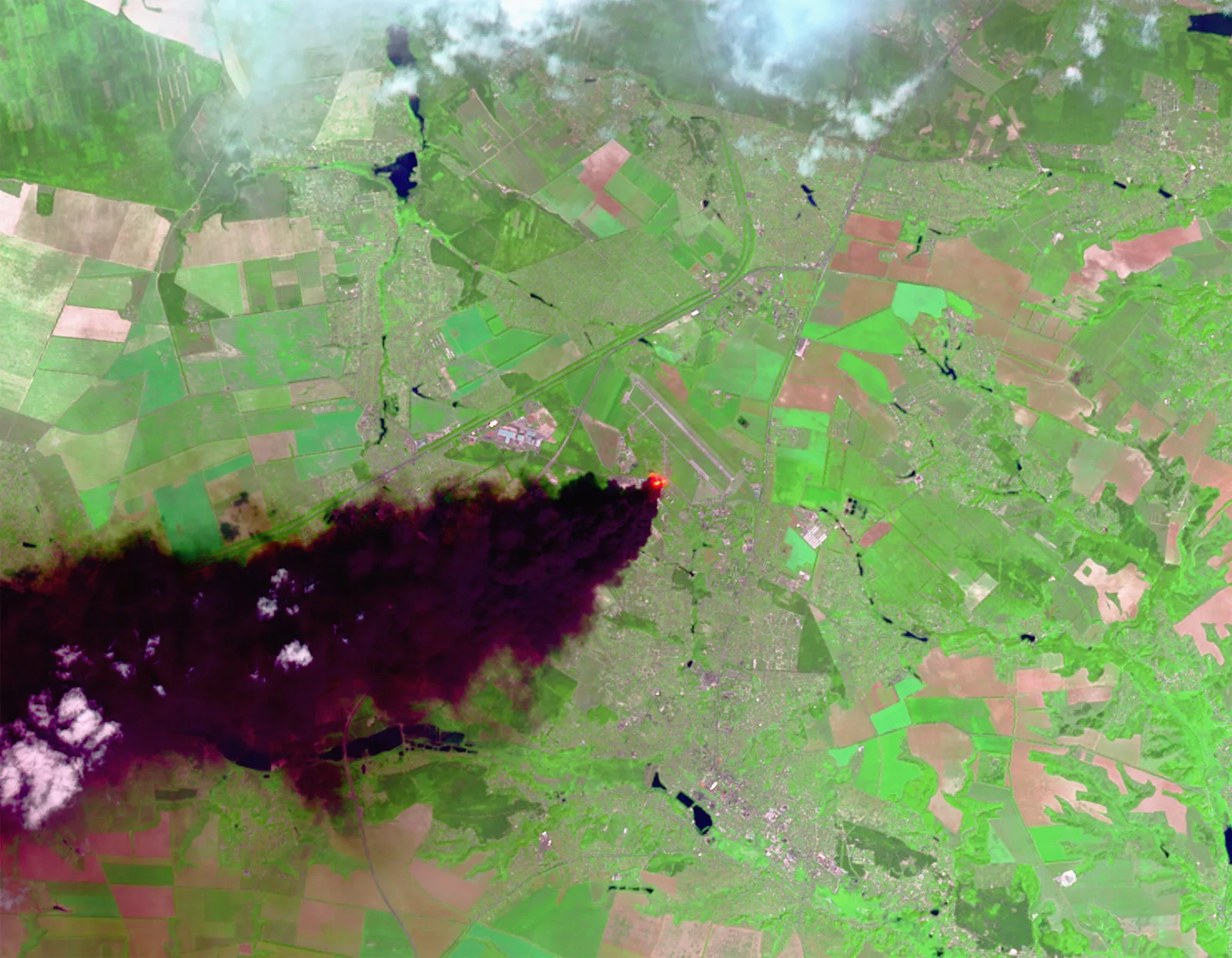
This coming July marks 50 years since the Landsat program launched in earnest. Dedicated to capturing photos of the Earth from space, the satellite program has become increasingly important in the age of the internet. The data in these images can help researchers, farmers, and city planners keep an eye on Earth at a time of unprecedented change to the world's temperatures.
Looking down on our Earth since 1972, you could easily consider the nine in this series as NASA’s own satellites of love. (See our song of the day at the end for more on this reference.)
Take a look at six stunning images Landsat has captured in our lead story today. I’m Nick Lucchesi, and this is Inverse Daily, your daily dispatch featuring four original science and innovation stories from the editorial team at Inverse.
This is an adapted version of the Inverse Daily newsletter for Thursday, November 11, 2021. Subscribe for free and earn rewards for reading every day in your inbox. ✉️
Six stunning images from NASA’s new Earth-monitoring satellite
[By Jenn Walter]
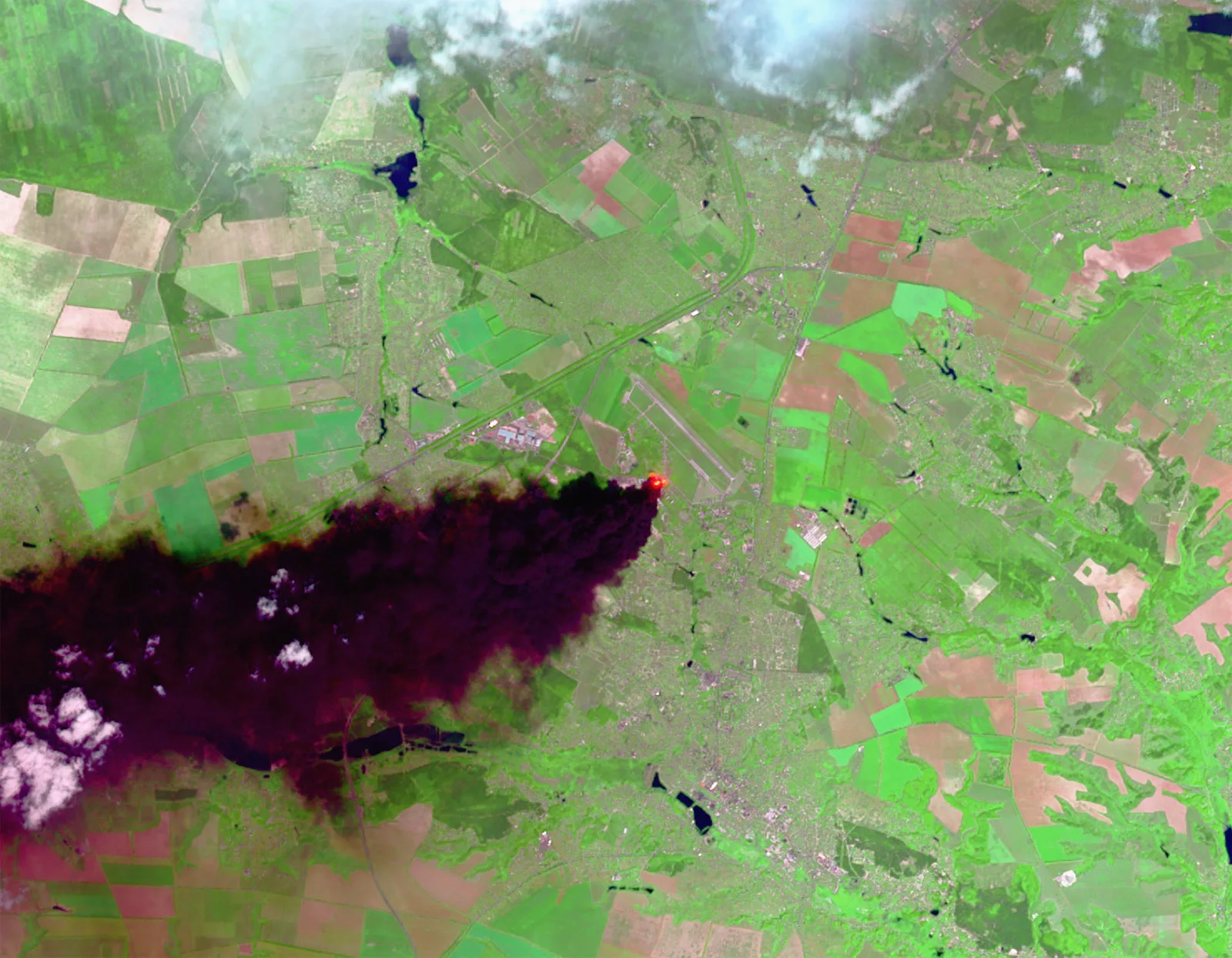
We know the Earth is constantly changing, but sometimes it helps see the bigger picture from space. The Landsat program, managed by NASA and USGS, has been snapping photos of Earth since 1972.
Landsat 9 has to undergo a 100-day testing period where researchers ensure that all its systems are working properly from low-Earth orbit. But on October 31, the satellite captured its first images of the planet and sent them back down to Earth.
See the newest images released by Landsat.
Related:
Ancient “penis worms” reveal a fascinating insight into early animal evolution
[By Tara Yarlagadda]
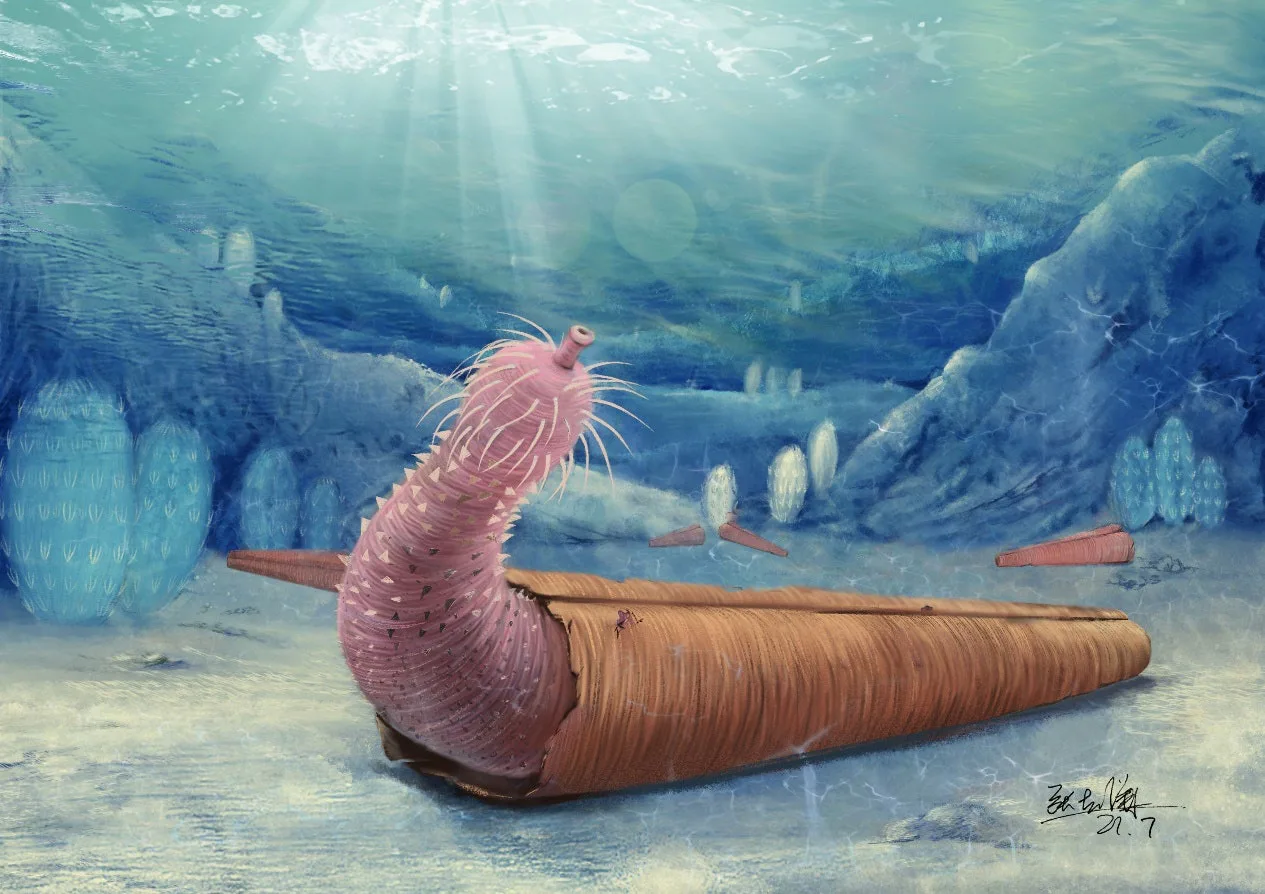
It’s a small, fleshy creature, no more than an inch in length, with elongated spines and menacing pharyngeal teeth used to crush food. It lived in muddy shallow waters some hundreds of millions of years ago.
It also looks strikingly like a human penis.
The Eximipriapulus was what’s called a priapulan worm, and it lived around 500 million years ago. Its unusual, phallic-like resemblance is how it (and its descendants) became known as a “penis worm.” Up to now, scientists have known little about this worm’s evolution.
A study published Monday in the journal Current Biology adds to our sparse understanding, revealing priapulan worms displayed a specific behavior similar to modern-day hermit crabs.
Related:
How this winter’s Eiffel Tower sized asteroid compares to other cosmic flybys

[By Passant Rabie]
A massive asteroid is headed toward Earth, traveling at a speed of about 14,700 miles per hour. But there is no need to panic.
Asteroid 4660 Nereus will make its near flyby of Earth on December 11.
Related:
- A fast-moving ,vbasteroid could help unlock Solar System secrets
One ride in a 1400-HP electric Mustang told me everything I needed to know

[By Jordan Golson]
Car racing is exciting. There’s noise and smoke and speed, the thrill of competition and the agony of defeat.
But racing fans hate change. Some Formula One diehards still pine for the V10-era, which ended in 2005, even though modern F1 cars are faster than ever. Now, we’re on the verge of the biggest change ever: the end of the internal combustion engine.
Have no fear. Our electric racing future is going to be awesome.
Related:

- About the newsletter: Do you think it can be improved? Have a story idea? Want to share a story about the time you met an astronaut? Send those thoughts and more to newsletter@inverse.com.
- Notable birthdays: Leonardo DiCaprio (47), Stanley Tucci (61), Calista Flockhart (57), Demi Moore (59), Barbara Boxer (81). (Source: AP.)
- Song of the Day: “Satellite of Love” by Lou Reed, released the same year as the Landsat program launched, 1972.




.png?w=600)