I’m back in full-on waiting mode; the period between deciding to venture back into the field and being placed on another humanitarian mission. It usually comes after the ‘gratitude’ and ‘guilt’ periods, and before the ‘preparation’ period.
When I return home from a field assignment, I am exhausted but generally content. Life is sweet. I’m consumed by gratitude for everything I have, and the life I’ve had the good fortune to be born in to.
A morning spent cycling to a market to buy flowers can give me immense pleasure. I visit family and old friends, meet new babies, and attend weddings. I think about how lucky we are to have concerts, art galleries, and fashion. I might treat myself to a new coat, some expensive face cream, or an overpriced espresso martini at the end of dinner. After all, I think, don’t I deserve it? I’ve been working hard, doing my bit for humanity, and it feels satisfying.
But like most periods of change, the novelty soon fades and I find that the delight is replaced by boredom. And guilt. I begin to feel like an outsider in my world. Now the espresso martini tastes bitter and as I glance around the restaurant I think: ‘God, what a bunch of narcissists. Do they have any idea about the bottom billion? It all seems so meaningless.’ I then, of course, feel terrible for making such hostile assumptions.
During this mini-existential crisis I’m desperate to stay connected to the aid world. This is my tribe, the people who understand me most. In between shifts at the local hospital, I go into town to attend a study day on improving care for people with non-communicable diseases in humanitarian settings. Events such as these mitigate the frivolousness of my home life. I might not be in the field but at least I am making an effort to learn more about helping.
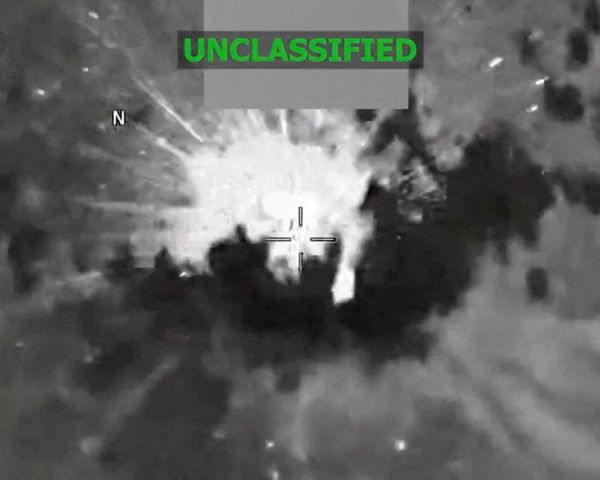
Events such as these, however, can also serve to fuel the guilt. I’m reminded that there are currently more than 65 million displaced people worldwide. As we debate the difficulties faced in terms of access, medical supplies and security, my mind turns to my recent stint in the Middle East. I think of one of my patients, an adorable three-year-old who had sustained a serious injury when rubble fell on his head after a drone strike. He had been in our care for months by the time I left. He was making good progress and I had shared a tearful farewell with his mother who nursed him during his recovery, separated from the rest of their family in their home country.
During this period of guilt, I also volunteer at a charity clinic, caring for people who have difficulty accessing healthcare in my own country. I’m glad to be doing something useful but it’s not the same. It lacks the energy, the intensity, and the challenges that come from working in a unique and potentially volatile field environment.
At some point, I decide that I can’t possibly listen to one more demanding patient moan at me after I refuse to give them antibiotics for their snivelling cold. I need to get back out in the field. I contact HR to tell them I’m ready and then I have to wait until my skills are matched with the right project. This can take anything from a couple of weeks to several months.
And this is where I am now: life suspended between the western world and the aid world; not belonging to either, but waiting for the phone to ring and for the preparation stage to start.
Do you have a secret aid worker story you’d like to tell? You can contact us confidentially at globaldevpros@theguardian.com – please put “Secret aid worker” in the subject line. If you’d like to encrypt your email to us, here are instructions on how to set up a PGP mail client and our public PGP key.
Join our community of development professionals and humanitarians. Follow @GuardianGDP on Twitter.