When Jennifer Gobrecht was 17, doctors told her that she would never carry her own child.
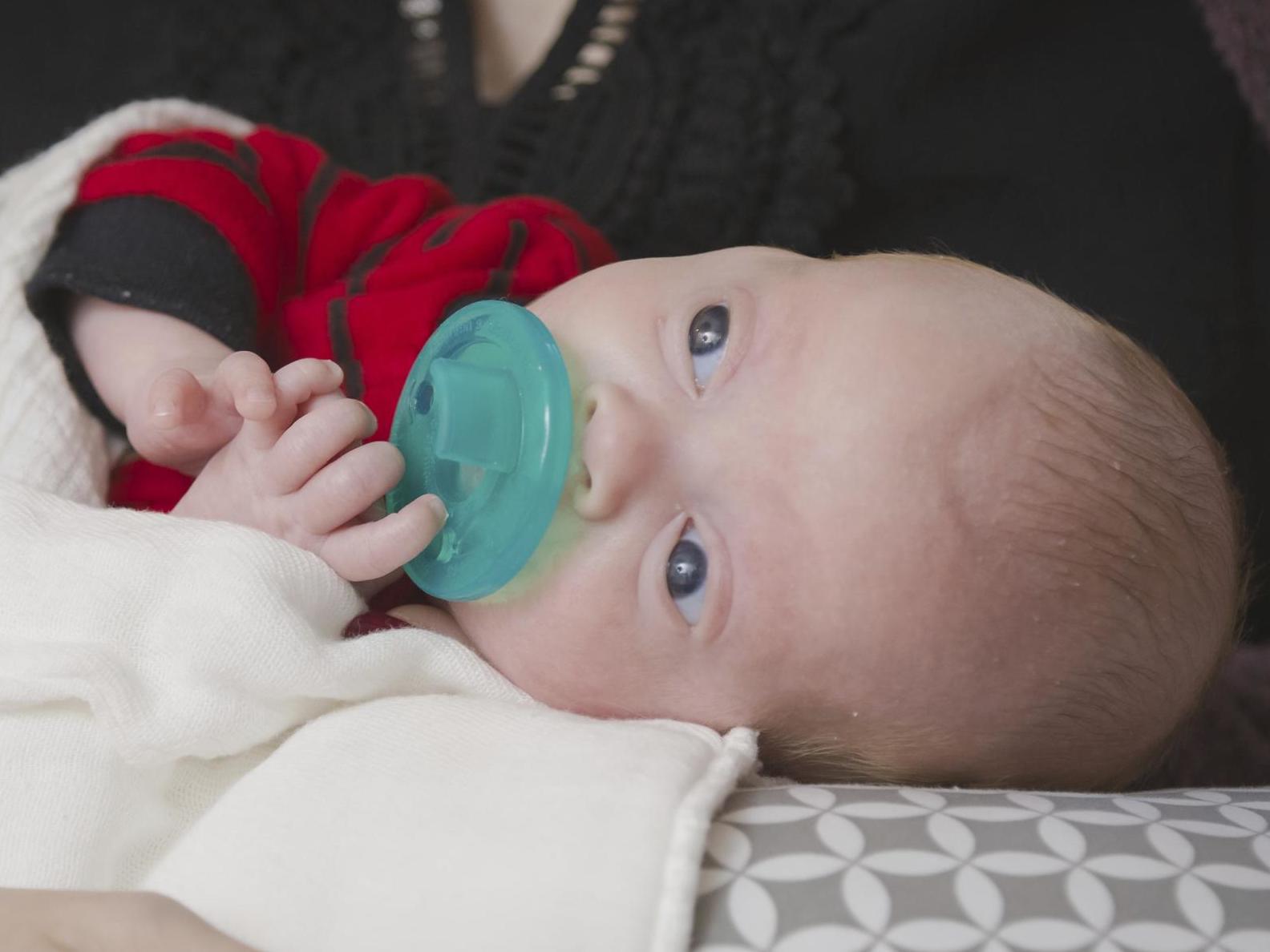
But on Thursday researchers at Penn Medicine in Philadelphia announced that Ms Gobrecht had delivered a son by caesarean section in November, the second baby in the United States to be born using a transplanted uterus from a deceased donor.
“We were beyond lucky,” Ms Gobrecht said.
Ms Gobrecht, now 33, was born with a congenital condition called Mayer-Rokitansky-Kuster-Hauser syndrome, meaning she was born with ovaries, but without a uterus.
In 2017, she and her husband were exploring the possibility of implanting frozen embryos into a surrogate when Ms Gobrecht was selected to be the first patient in a trial at Penn Medicine that hopes to help five women who otherwise couldn’t carry their own children.
Uterine transplantation, as the process is known, is a relatively new frontier in reproductive medicine. Doctors say it could help women who have a condition called uterine factor infertility, which means they were either born without a uterus, had it removed or had uterine damage. About 5 per cent of reproductive-age women worldwide are affected, according to Penn Medicine.
“For women with uterine factor infertility, uterus transplantation is potentially a new path to parenthood – outside of adoption and use of a gestational carrier – and it’s the only option which allows these women to carry and deliver their babies,” said Dr Kathleen O’Neill, who is an assistant professor of obstetrics and gynaecology in the Perelman School of Medicine at the University of Pennsylvania and who helps run the trial.
There have been about 70 such transplants around the world. But most programmes have focused on living donors, researchers at Penn medicine said. (In some cases the donor was the recipient’s mother.) In the US, there have been six live donor cases.
In 2017, the world’s first known woman to receive a uterus from a deceased donor gave birth to a 6lb girl in Brazil. Last summer, the Cleveland Clinic announced the birth of a girl after a uterus transplant from a deceased donor, a first in the US.
Dr Paige Porrett, an assistant professor of transplant surgery at the Hospital of the University of Pennsylvania and one of the study’s co-leaders, says the major advantage of using a deceased donor is that doctors are able to harvest more of the blood vessels attached to the organ.
This gives surgeons larger vessels to use during the procedure, in which vessels from the donor organ are sewn together with the patients’.
Using deceased donors also eliminates the unnecessary surgical risks that otherwise healthy living patients would undergo to donate, Dr Porrett said. Despite these risks, more than 80 women offered to donate a uterus for the trial.
Dr Porrett said there wasn’t enough data yet to determine whether there was a difference between transplanting an organ from a living or deceased donor.
The total cost of the procedure is unknown, said Dr O’Neill, who added that the hospital was paying for the five cases in the trial. She estimated that similar procedures cost $60,000 (£46,000) in Britain and upward of $200,000 at Baylor University Medical Centre in Dallas, which also performs the procedure.
Dr O’Neill, who has struggled with her own infertility issues, said the team had successfully transplanted a uterus into a second patient, but declined to provide further details.
In 2018, Ms Gobrecht underwent a 10-hour surgery to transfer the donor uterus. About six months later, doctors implanted the first embryo, which was ultimately successful.
“I felt the actual glow,” she said about being pregnant with her son, Benjamin. “Feeling Benjamin’s little kicks, and seeing all the ultrasounds are priceless to me.”
But there were difficult parts. Ms Gobrecht had to take immunosuppressant medicine and follow a strict regimen to prevent her body from rejecting the organ.
After Ms Gobrecht gave birth to her son, doctors removed the uterus.
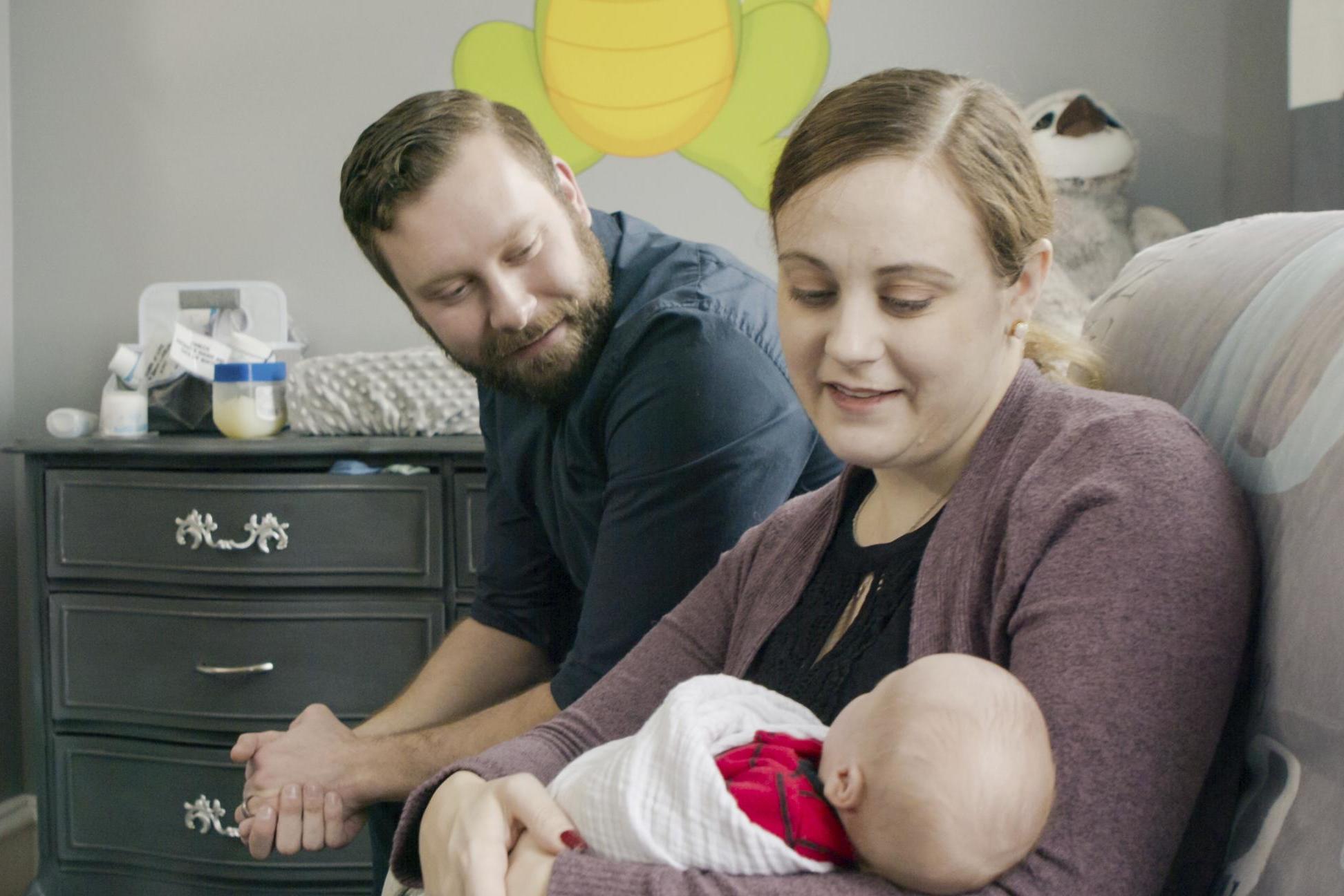
On Thursday, her husband, Drew Gobrecht, said the couple were relishing changing nappies and feeding their son at their home outside Philadelphia.
“It’s been an abnormal journey so far,” he said. “We’re excited about the normal stuff.”
The Washington Post