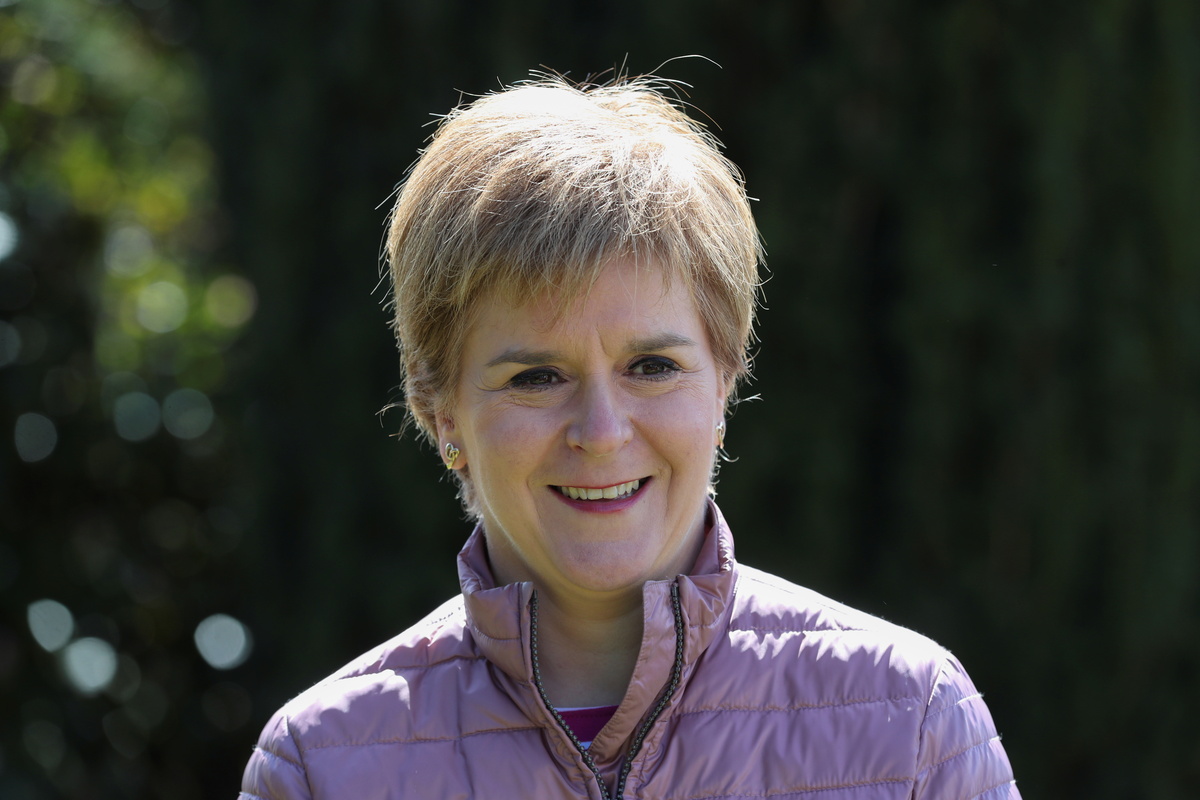
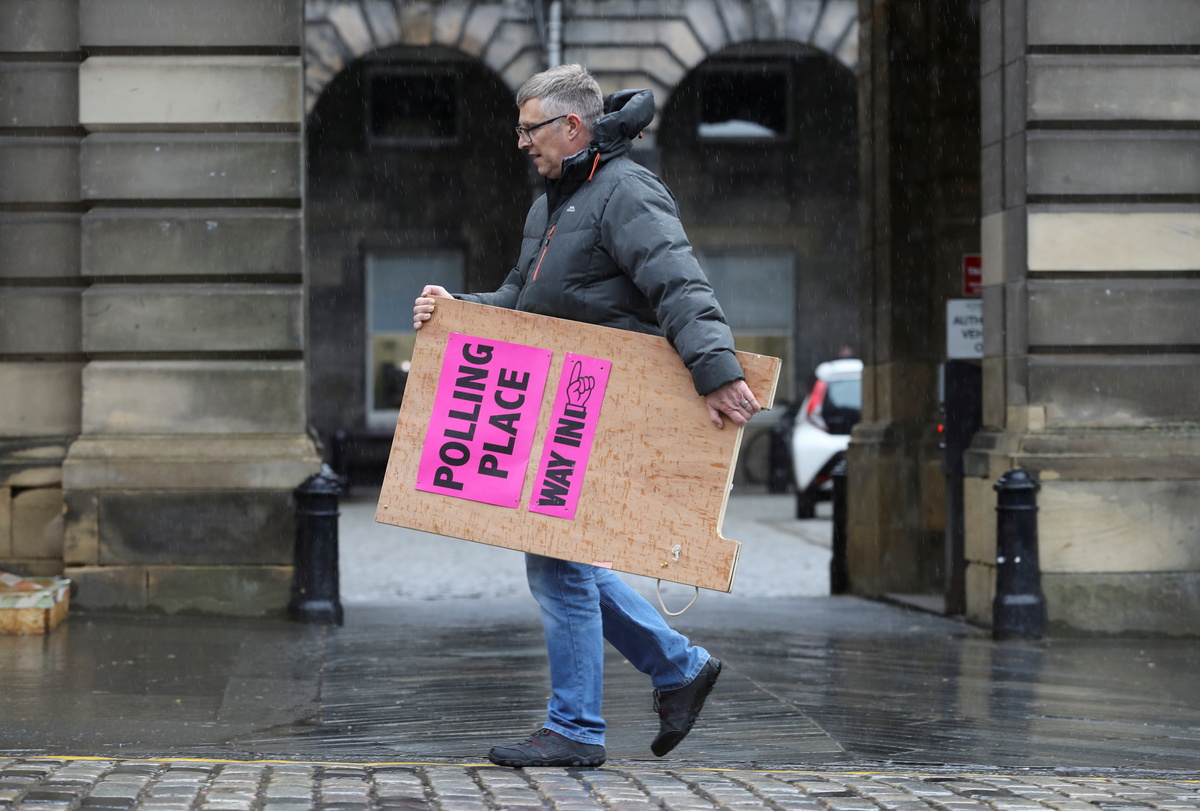
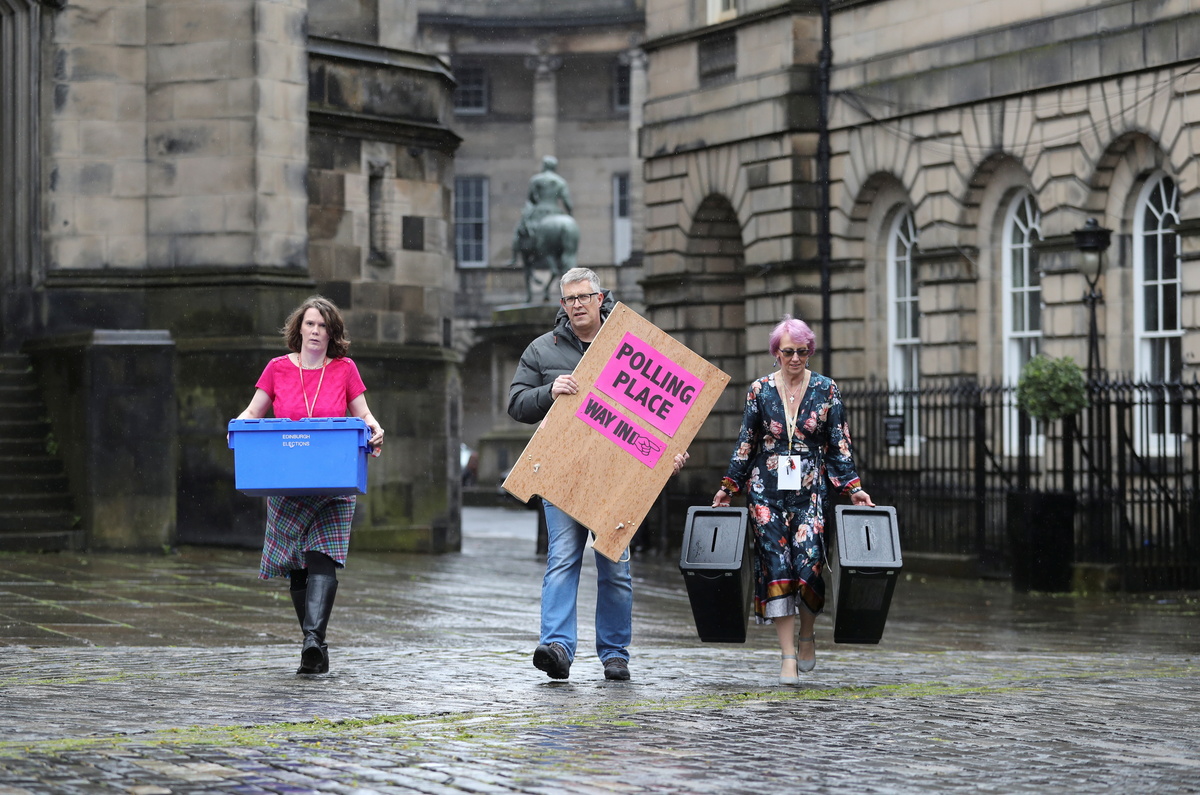
The Scottish National Party's bid to win a clear mandate for having another independence referendum was balanced on a knife edge on the eve of Thursday's parliamentary election, with polls showing the expected result was too close to call.
British Prime Minister Boris Johnson has repeatedly said he will not grant a second referendum on Scotland breaking from the United Kingdom.
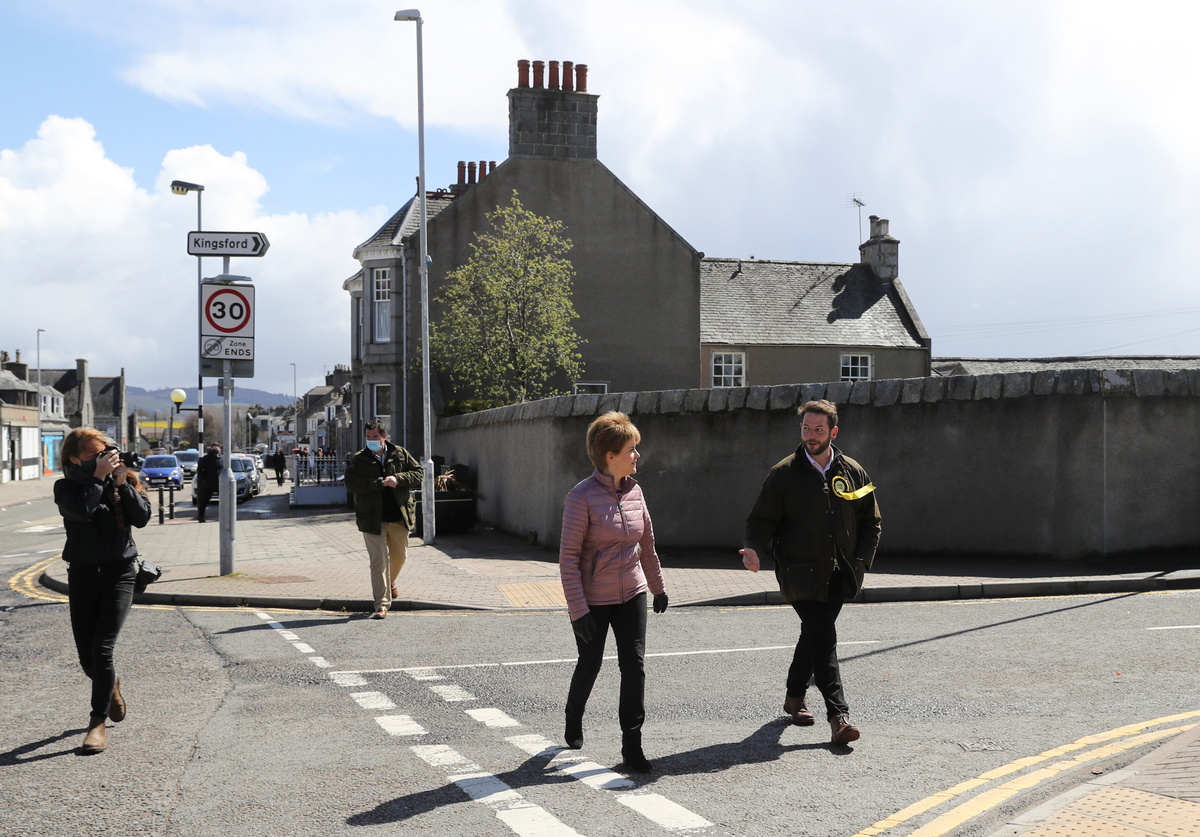
But the SNP, the main pro-independence party and the dominant force in Scottish politics, says that if it secures a majority of seats in the devolved parliament in Edinburgh, its demand for one cannot be ignored.
A Savanta ComRes poll indicated the SNP would fall six seats short of winning an outright majority in the 129-seat parliament, though it showed the Greens, which are pro-independence, were set for gains.
An Ipsos MORI poll found that while the SNP was far ahead of other parties it was not clear if it would win an outright majority.
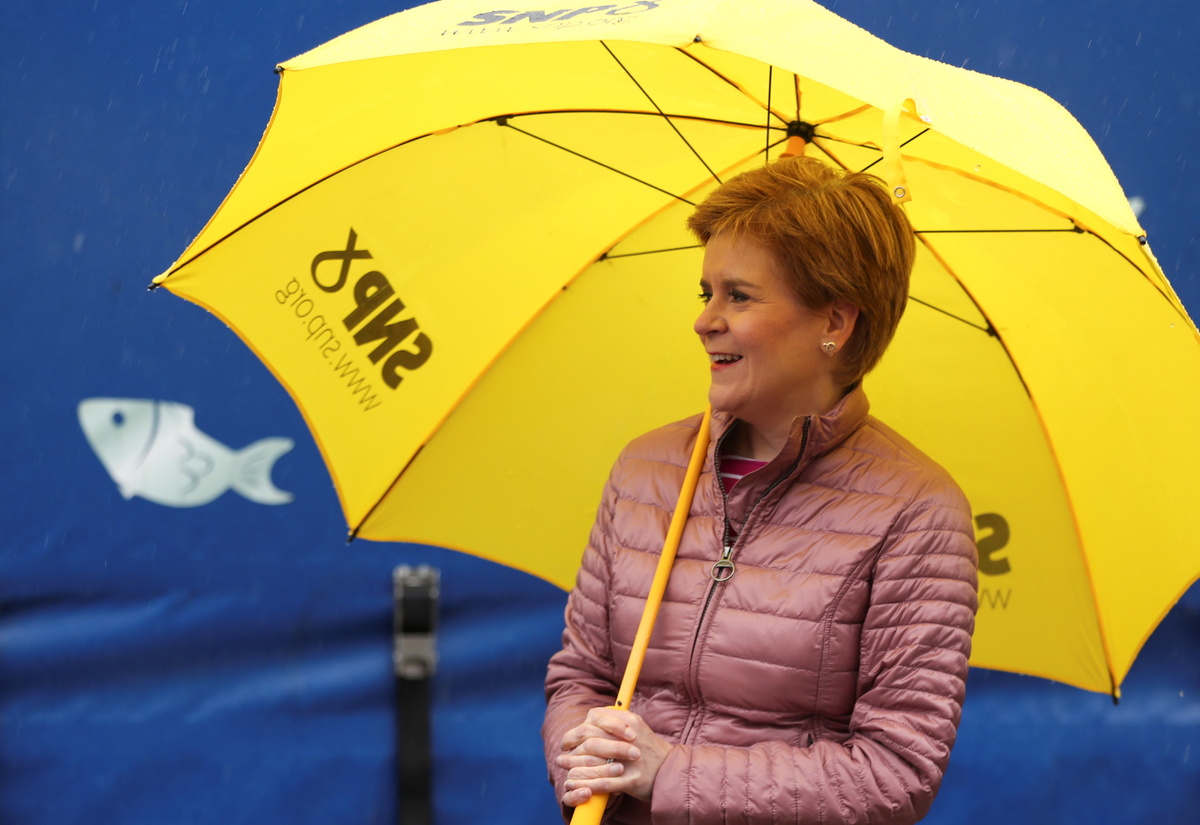
"The SNP is going into Thursday's election in a very strong position," Ipsos MORI said. "However, it is not possible to predict with confidence on the basis of these results whether the SNP will definitely win an outright majority of seats."
If the SNP wins Thursday's election, Johnson will have a difficult choice: refuse a referendum and thus allow Scottish discontent to simmer, or allow a referendum which could break apart the union he says is so dear to him and his party.
The only time the SNP have won a majority before was in 2011. Britain's then Prime Minister David Cameron bowed to pressure and agreed to a referendum in 2014.
Scots voted 55-45 percent against independence in that referendum. But Britain's departure from the European Union with Brexit, approval for First Minister Nicola Sturgeon's handling of the COVID-19 crisis, and antipathy in Scotland to Johnson's Conservative government in Westminster have bolstered support for independence.
The Greens in Scotland could be an important factor.
They have cooperated with the SNP to pass legislation, are pro-independence, and have not ruled out a coalition with the SNP.
If there was a pro-independence majority returned to parliament, the SNP would most likely say it had a mandate for another referendum, though London would likely dispute that.
At a debate ahead of the election, SNP leader Nicola Sturgeon said she would not call an illegal, so-called "wildcat" referendum if PM Johnson refused to allow one.
But she and her party have repeatedly raised the threat of legal action if Johnson does deny that.
Johnson told reporters on Wednesday he did not believe most people in Scotland, nor throughout the United Kingdom, believed it was a good time to have another referendum as the country came out of the pandemic.
The nations of Britain have shared the same monarch since James VI of Scotland became James I of England in 1603 and a formal union created the Kingdom of Great Britain in 1707.
Today, the United Kingdom of Great Britain and Northern Ireland includes England, Northern Ireland, Scotland and Wales.
The United Kingdom as whole voted 52-48 to leave the EU in a 2016 referendum: England and Wales voted to leave but Scotland and Northern Ireland voted to stay.
(Reporting by Guy Faulconbridge; Editing by Angus MacSwan)