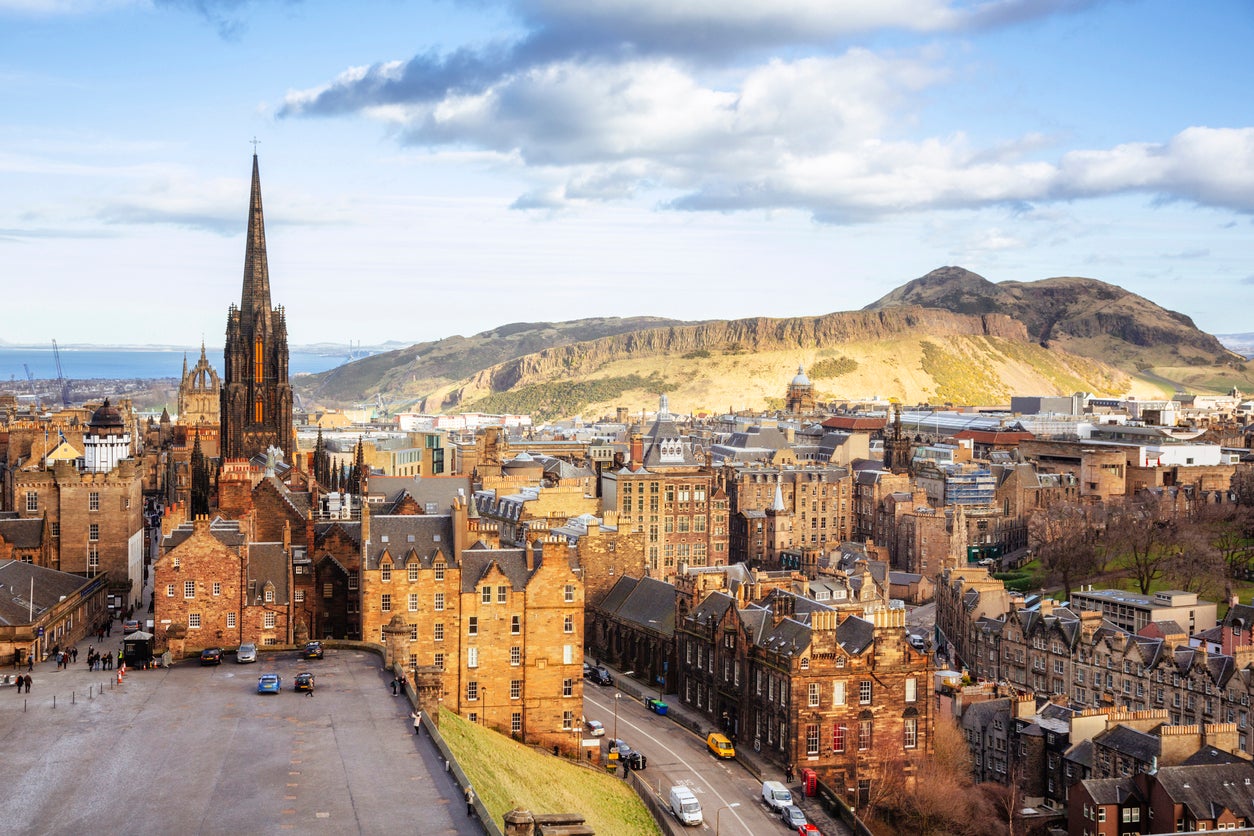
Scotland offers some of the most beautiful surroundings for a staycation, from the wild Highlands and Hebrides to the city break charm offered by Edinburgh and Glasgow.
But, as tighter restrictions and a second lockdown return across the UK, what are the rules around visiting and travelling around the country?
Here’s everything you need to know.
Am I allowed to travel to Scotland from the rest of the UK?
Until midnight Wednesday 4 November, it depends on where you’re going – and where you’re coming from.
England’s new three tier system has divided the country into “medium”, “high” and “very high risk” depending on the Covid-19 case rate. Those in areas categorised as medium are simply subject to the previous rules that were in place, such as not congregating in groups larger than six. These people should be able to travel to parts of Scotland without local restrictions in place without issue (as long as they abide by the rule of six).
Those travelling from “high” tier regions are subject to extra measures, including the banning of separate households socialising together indoors. This would prevent families or friends from different households from staying together in a cottage or similar accommodation.
Meanwhile, people hailing from designated “very high” risk areas have been advised not to travel outside their area at all (other than for work, education, accessing youth services or to meet caring responsibilities).
“People should avoid staying overnight in another part of the UK if they are resident in a ‘very high’ area, or avoid staying overnight in a ‘very high’ area if they are resident elsewhere,” says the government.
However, the advice not to travel is not legally binding.
From Thursday 5 November, a second nationwide lockdown starts in England, which bans domestic and international leisure travel.
It means those in England should not be travelling to Scotland for a holiday or for any purpose that’s not deemed essential and doing so would break the law.
Can I travel within Scotland?
Scotland has its own measures in place depending on the region, with a new five-level system coming into practice from 2 November, running from level zero to four. No areas will be in the highest levels to begin with, but the Central Belt region, plus Dundee, is in level three.
People outside of level three or four areas are being told not to travel there “unless they need to”. Those in other levels are advised not to cross into regions on different levels for non-essential reasons.
Within your own region, things are a little more flexible. Up to and including level three, hotels and holiday accommodation remain open.
The Scottish government said: "Those living in a Level three area can still use holiday accommodation in their area but should not stay in the same self-catered accommodation with another household.
“You can meet in a group of up to 6 people from up to 2 households indoors in a public setting in your holiday accommodation. You should not meet indoors in your bedroom or self-catered accommodation.”
Which areas are under level three restrictions?
Clackmannanshire, East Ayrshire, East Dunbartonshire, East Lothian, East Renfrewshire, Edinburgh, Falkirk, Glasgow City, Inverclyde, Midlothian, North Ayrshire, North Lanarkshire, Renfrewshire, South Ayrshire, South Lanarkshire, Stirling, West Dunbartonshire, West Lothian and Dundee are all currently classed as level three.
Are hotels and campsites open?
All holiday accommodation can stay open in regions that are level three or below, in line with guidance.
Hotels and other accommodation providers can serve food to guests staying in their premises, for consumption in or outdoors. Alcohol may only be served as part of room service.
People from more than one household (or extended household) must not stay in self-catered accommodation together while the current restrictions on indoor private gatherings are in place. This includes accommodation such as a caravans, flats and holiday cottages.
If you are staying in a hotel, B&B or similar accommodation, you should not have more than one household (or extended household) staying in each room booked.
When an area enters level four, all holiday accommodation must close to tourists. Hotels, B&Bs and self-catering can remain open for essential customers only, such as those travelling for work.
Are restaurants, shops and attractions open?
Up to level three, restaurants can remain open, although a maximum of six people from two households can meet together, whether indoors or outdoors.
Table service is compulsory, as is wearing a mask when moving around the restaurant or not eating and drinking.
In level one areas, all hospitality premises must shut by 10.30pm; in level two alcohol is only permitted if sold alongside a meal; and, in level three areas, no alcohol can be sold and all establishments must close by 6pm.
Restaurants, cafes, pubs and bars will be closed in level four, although hotels can still serve customers staying on their premises for essential reasons until 10pm.
Shops, visitor attractions, libraries, hairdressers, barbers and beauticians can all stay open with social distancing measures in place up to level three, but other services may have to close depending on what level the area has been designated. From level four, only essential shops will be allowed to open.
Nightclubs must remain shut across the board; stadiums will close to spectators in levels two and three; and soft play, funfairs, snooker and pool halls, indoor bowling alleys, casinos and bingo halls will remain closed in level three.
Outdoor live events are also banned in level three areas, as are contact sports and training, plus indoor group exercise classes, for those aged 18 and over.
What rules are in place?
Other than the above, face coverings are now mandatory in shops and on buses, trains, trams, planes and taxis, plus in indoor group settings, including staff canteens and workplace corridors.
People are also being advised against sharing a vehicle with another household.