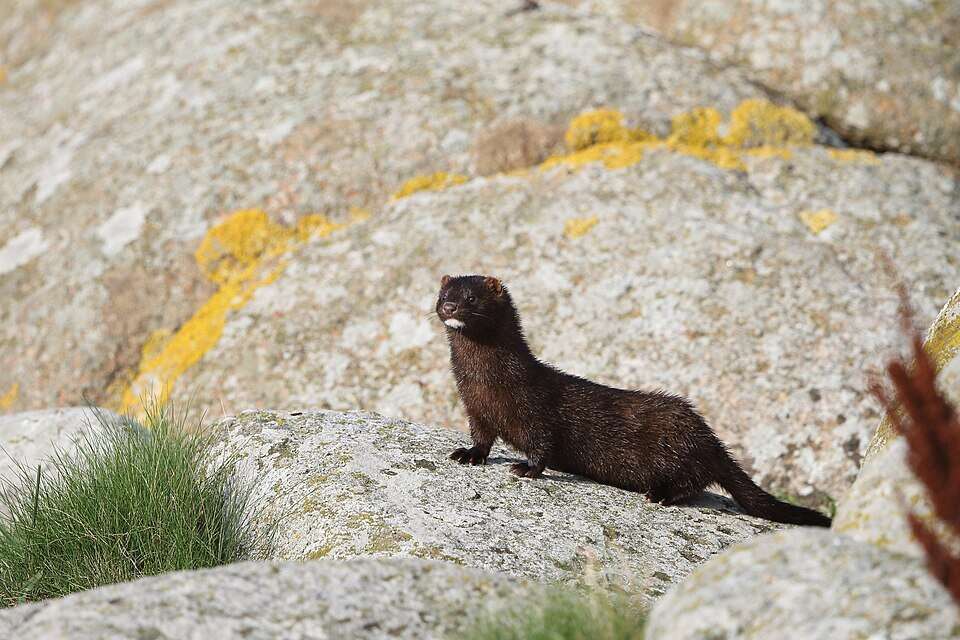
American mink once seemed difficult to contain across Scotland’s waterways. The semi-aquatic predators could move through connected rivers and wetlands, making it difficult to know where they were present and where control efforts would be most effective. A coordinated approach eventually began combining detection, volunteer monitoring and targeted trapping across a much wider area.
Get breaking news anytime, anywhere. Download the TOI app now!
According to Biological Invasions , researchers examining American mink control in northeastern Scotland found that a coordinated, large-scale approach could substantially reduce mink numbers across an extensive area. The study shows that mink captures fell to almost zero within three years of intensive control, while also finding that mink could move between areas and recolonise sites where control was not maintained.
A “rolling carpet” that started with detection
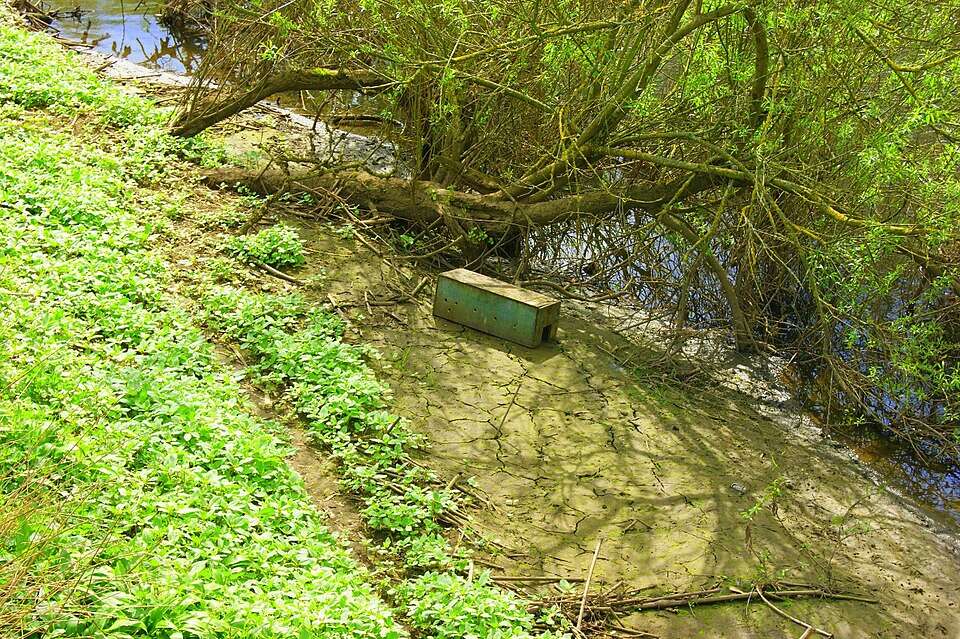
The Scottish method did not involve the placing of thousands of traps without any planning or preparation. It used mink rafts as monitoring stations. The rafts were placed on water bodies such as rivers. Volunteers checked the rafts for signs of mink activity. Once new mink activity was confirmed, a trap could be set there. This meant traps were set only where mink were present, rather than being checked in empty locations.
According to a study published in Biological Conservation , the earlier Cairngorms Water Vole Conservation Project eventually covered 10,570 square kilometres and removed 376 mink with the involvement of 186 volunteers. The results also changed conservationists' approach to the problem. Mink did not remain confined to individual river catchments. As mink could move between neighbouring catchments, meaning populations could return to areas where trapping had already reduced their numbers. As a result, conservationists found that control efforts needed to extend across connected catchments rather than focus on individual river systems.
From local project to 29,000 square kilometres
The Scottish Mink Initiative brought together earlier efforts and expanded them across northern Scotland. The programme brought together fisheries trusts, conservation organisations, government bodies, researchers and local volunteers. According to the IUCN , the Scottish Mink Initiative expanded mink control across about 29,000 square kilometres in northern Scotland between 2011 and 2014. During this period, 837 volunteers operated up to 1,022 mink-detection rafts and helped remove at least 646 mink. According to the programme, the area was considered free of breeding mink when monitoring rafts no longer recorded mink footprints. In 2014, 51 mink were recorded there, reflecting the continued movement of animals into the managed area.
This was not a single effort to wipe out all mink in northern Scotland. Rather, the aim was to reduce breeding populations within a large contiguous area while monitoring for mink from other areas. Geography made the approach easier in some areas and harder in others. Sea barriers and mountain ranges helped isolate parts of the managed area, but mink moving between rivers posed another challenge.
Why volunteers mattered
The project depended heavily on volunteers, who monitored detection rafts, recorded signs of mink and passed the information to project managers. This helped teams identify where mink were present and focus trapping efforts where they were most needed. Follow-up monitoring could then show whether mink had returned, creating a continuous cycle of detection, control and surveillance.
The approach was about coordinating these efforts across a connected landscape rather than relying on isolated trapping sites. The Scottish Mink Initiative brought together volunteers, local knowledge, monitoring and scientific planning to extend mink control across neighbouring catchments. The idea of a “rolling carpet” therefore referred not to a physical barrier, but to a coordinated network of detection and control that could move with the changing distribution of mink.