
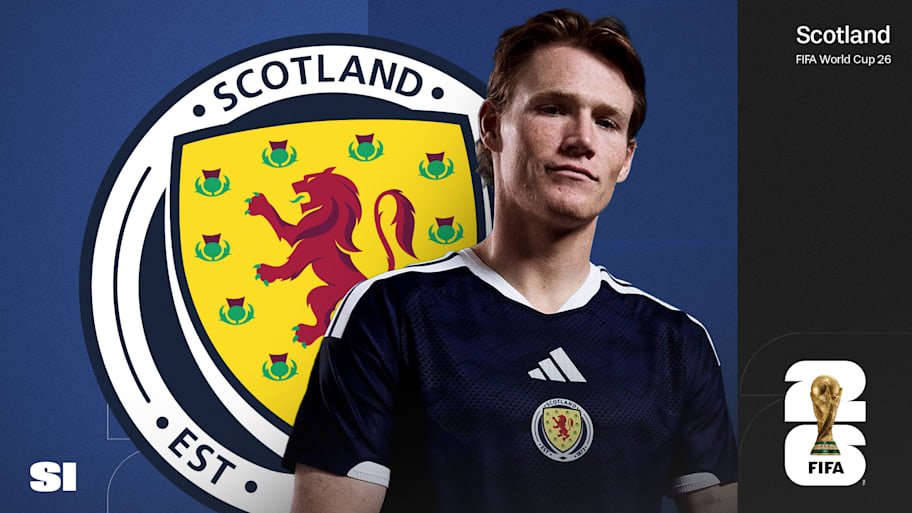
Scotland returns to the World Cup for the first time since 1998, having secured its place in North America in spectacular fashion.
The team clinched qualification with a dramatic late win over Denmark on the final game of UEFA Group C, scoring two goals in extra time—including a thunderous strike from Kieran Tierney and an audacious halfway-line effort from Kenny McLean.
Now, Steve Clarke’s side faces the challenge of progressing past the group stage—a feat Scotland has never managed in eight previous World Cup appearances.
Drawn alongside five-time champion Brazil, 2025 Africa Cup of Nations champion Morocco and Haiti, progressing will be no easy task.
The Road to the World Cup
- Qualification record : 4W-1L-1D
- Goals for / against: 13 / 7
- Top scorer: Ché Adams, Scott McTominay, Ryan Christie (2)
- Assist leader: Andrew Robertson (2)
Scotland’s qualifying campaign was going smoothly, with three wins and a draw, until Matchday 5, when Greece threatened to derail it with a 3–2 victory. That meant Scotland had to avoid defeat against Denmark in the final group game to secure qualification—which it did in spectacular fashion, clinching a thrilling 4–2 win at Hampden Park.
Clarke’s side didn’t exactly dominate its opponents, but did just enough to get the job done, showing remarkable self-belief and a never-say-die attitude—qualities that could serve it well this summer.
World Cup Schedule
| Fixture | Date | Venue |
|---|---|---|
| Haiti vs. Scotland | Saturday, June 13 | Gillette Stadium |
| Scotland vs. Morocco | Friday, June 19 | Gillette Stadium |
| Scotland vs. Brazil | Wednesday, June 24 | Hard Rock Stadium |
Manager: Steve Clarke

- World Cup experience : Managerial debut
- Time in charge of the team : Since 2019
- Manager meter: Leader of the pack
Clarke is the first Scotland manager in history to lead the team to three major tournaments—Euro 2020, Euro 2024 and this summer’s World Cup.
He also masterminded Scotland’s UEFA Nations League B victory in 2022–23, earning promotion to the top tier.
Despite his successes, Clarke hasn’t always won over the fans. Known for sticking with a trusted core group of players, he emphasizes discipline, organization and teamwork. Schooled under José Mourinho at Chelsea, he may not be a flamboyant tactician, but he knows how to build a team willing to give everything for him, and each other.
How Scotland Plays
- Preferred formation : 4-2-3-1
- Style: Direct and physical
- Key strengths: Goalscoring midfielders, pacy wingers and fullbacks
- Key weaknesses: Aging central defenders and goalkeepers, no elite striker
Clarke’s Scotland isn’t a side that dominates possession or patiently passes opponents off the field. Instead, its identity is built on structure—compact, disciplined and pragmatic. The midfield sits close to the backline, keeping distances tight, protecting space and competing aggressively for second balls.
When opportunities to attack arise, Scotland is direct and purposeful. Fullbacks push high to deliver dangerous crosses, while midfielders time late runs into the box to attack knockdowns and loose balls. The team is particularly effective in physical, chaotic games, where its energy and directness can disrupt opponents. Set pieces are another major strength.
However, technically gifted opponents that can play through the midfield and exploit space behind the advancing fullbacks can cause real problems—something Brazil and Morocco will look to capitalize on.
Ones to Watch

X-Factor: Once a holding midfielder at Manchester United, Scott McTominay reinvented himself into an elite playmaker and major goal-scoring threat at Napoli. His perfectly-timed forays into the box wreak havoc and he has a habit of delivering when his country needs him most.
Breakout Star: Lightning quick, direct and fearless with the ball at his feet, Ben Gannon-Doak is the kind of old-fashioned winger fullbacks will hate to come up against—especially if the 20-year-old is used as an impact substitute against tiring defensive legs.
What Scotland Will Be Wearing
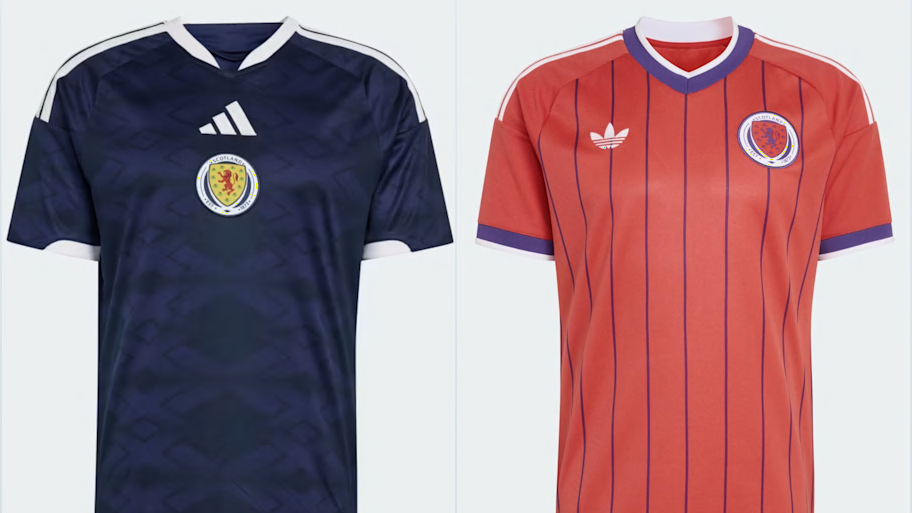
Scotland’s home jersey for the 2026 World Cup keeps things smart and simple, featuring a subtle pattern across a deep blue base for a timeless look.
The away jersey is far more daring: a peachy-orange design with thin blue stripes, a thick V-neck collar and the classic Adidas Trefoil logo—taking inspiration from the Tartan Army’s 1982 away kit.
Scotland’s Predicted Starting XI
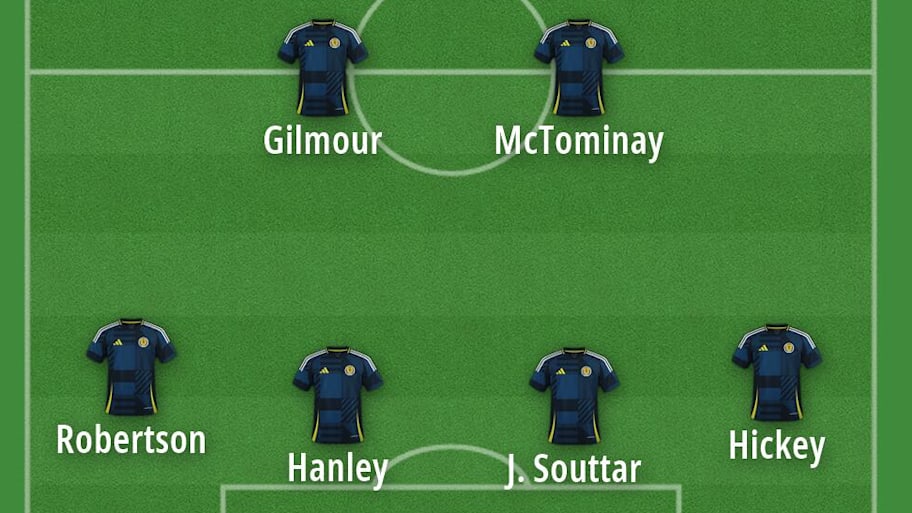
Typically setting up in a 4-2-3-1, there are a number of near certainties in Clarke’s lineup.
Angus Gunn is the undisputed No. 1 in goal, while veteran Grant Hanley is a mainstay in central defense. Captain Andy Robertson is also nailed on at left back.
In midfield, McTominay, John McGinn and Ryan Christie are all guaranteed starters. While McTominay may begin deeper, with McGinn as a No. 10 and Christie out wide, the trio is fluid in practice—rotating positions and covering for one another, particularly when making runs into the box.
Up front, it’s a close call between Ché Adams and Lyndon Dykes, who have very similar international records. However, Adams’s greater experience at the top level likely gives him the edge.
Current Form
Scotland’s World Cup preparations got off to a disappointing start.
Since qualifying, the team has played just two friendlies—and lost both—falling 1–0 to Japan and Cǒte d’Ivoire. With stronger opponents awaiting in North America, it’s far from a promising sign.
What We Can Expect From Scotland Fans

Tartan—and lots of it.
Scotland’s fans, known as the Tartan Army, are fiercely proud of their heritage and showcase it at every major sporting event, especially at soccer matches.
Alongside their trademark checkered outfits, expect plenty of kilts, bagpipes and powerful renditions of the unofficial national anthem, “Flower of Scotland,” guaranteed to send shivers down your spine.
National Expectations
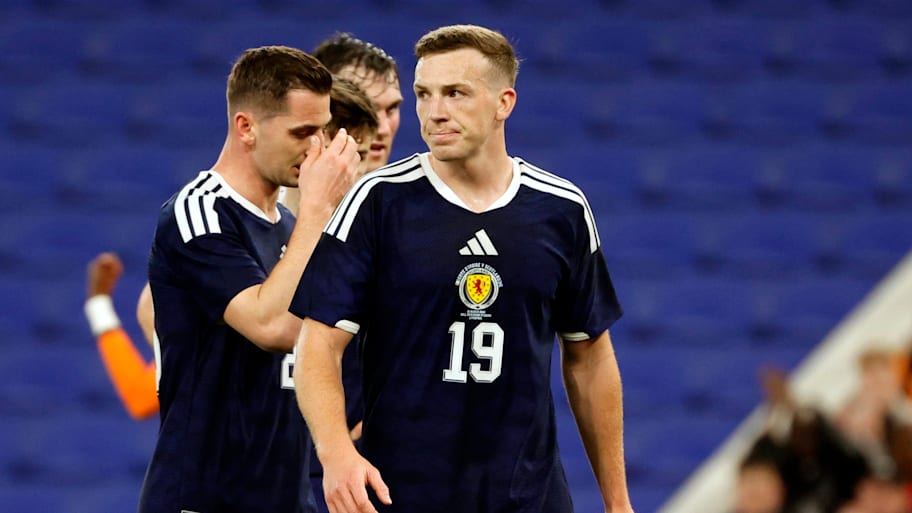
There’s a real buzz around Scotland, with the hype train gathering momentum following qualification and fans beginning to believe this team can do something special.
However, history, the quality of its opponents and recent results suggest that optimism should be tempered with caution.
And Finally ...
- Vibe Check : Overly optimistic
- Who Scotland Doesn't Want to Face: England
- One Stat That Defines Scotland: Over its entire 154-year history, Scotland has never beaten either Brazil or Morocco
- If Things Go Wrong: Scotland would become the first team in World Cup history to go out at the group stage nine times
- What Will Everyone Say If Scotland Goes Out Early? Scotland get battered everywhere they go (from an English newspaper, of course)