Roughly the size of Portugal, and bordered by Israel to the west, Syria to the north, Iraq to the east and Saudi Arabia to the south, Jordan is virtually landlocked – its only port being Aqaba, at the northern point of the Red Sea. Almost all of the country, roughly 90%, is desert. There is hardly any rainfall, which occurs sporadically in spring.
The climate of the Jordanian desert is, as you might expect, hot in summer, with temperatures sometimes reaching the low 40Cs; but in winter it can be surprisingly cold, averaging about 10C, with occasional flurries of snow in the hillier areas.
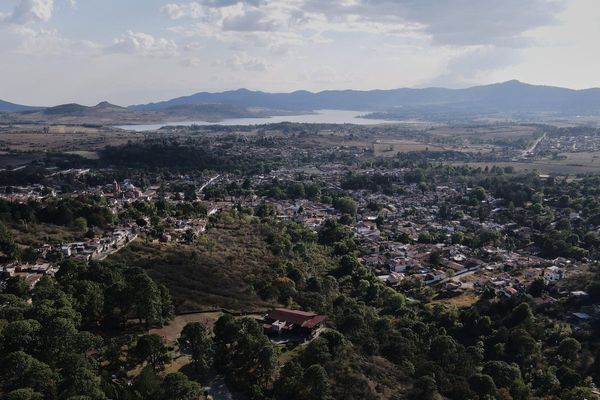
In one small corner of the country – in the north-west near the border with northern Israel and south-west Syria – the influence of the nearby Mediterranean Sea creates a very different climate. This area is also hilly, reaching over 1,000 metres (3,300ft), and rainfall is regular from late autumn to the following spring, meaning a much greener landscape.
Farther south, the valley of the River Jordan – part of the Great Rift Valley that runs all the way to east Africa – heads down to the Dead Sea. At more than 400 metres (over 1,300ft) below sea level, this is the lowest place on Earth. Here, summers are scorchingly hot, and winters very mild.