Get all your news in one place.
100’s of premium titles.
One app.
Start reading
Reuters
Reuters
Entertainment
Will Dunham

Scientists solve mystery of the origin of Stonehenge megaliths

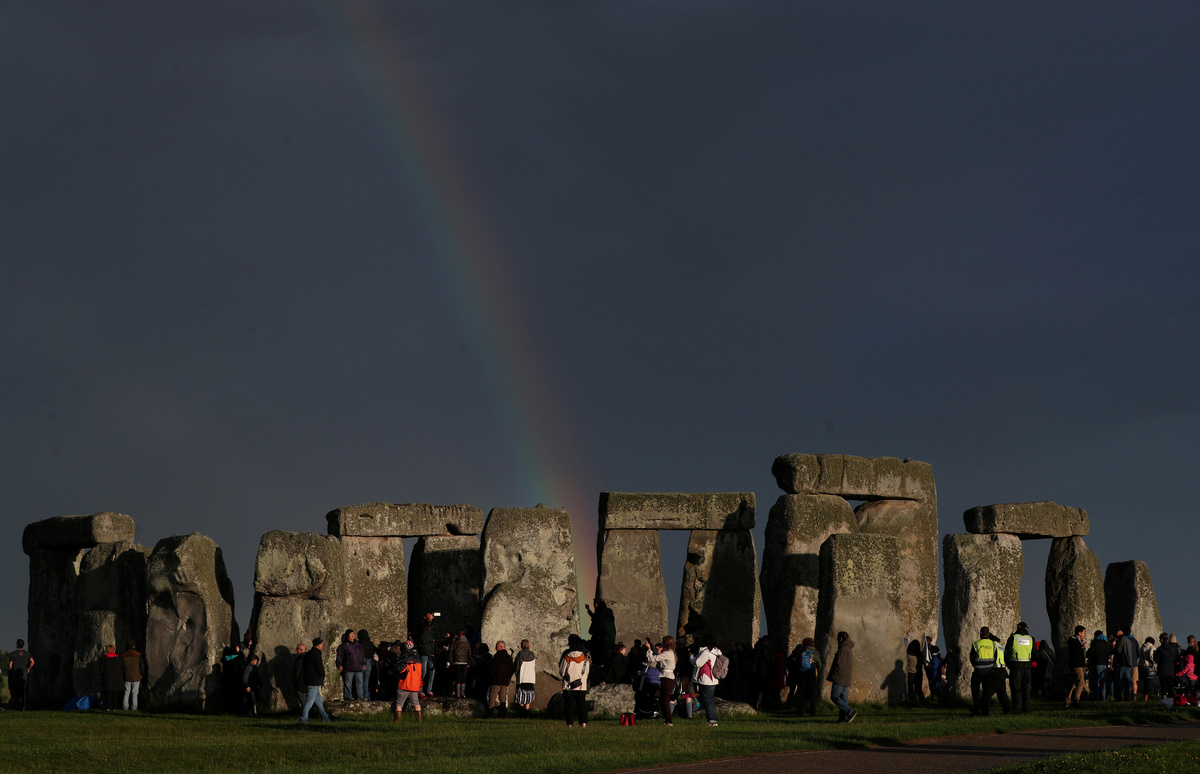
FILE PHOTO: A rainbow is seen behind the Stonehenge stone circle as revellers watch the sun set on the eve of the Summer Solstice, in Amesbury, Britain June 20, 2019. REUTERS/Hannah McKay/File Photo

Scientists have solved an enduring mystery about Stonehenge, determining the place of origin of many of the megaliths that make up the famed monument in Wiltshire, England, thanks to a core sample that had been kept in the United States for decades.

Geochemical testing indicates that 50 of Stonehenge's 52 pale-gray sandstone megaliths, known as sarsens, share a common origin about 15 miles (25 km) away at a site called West Woods on the edge of Wiltshire's Marlborough Downs, researchers said on Wednesday.
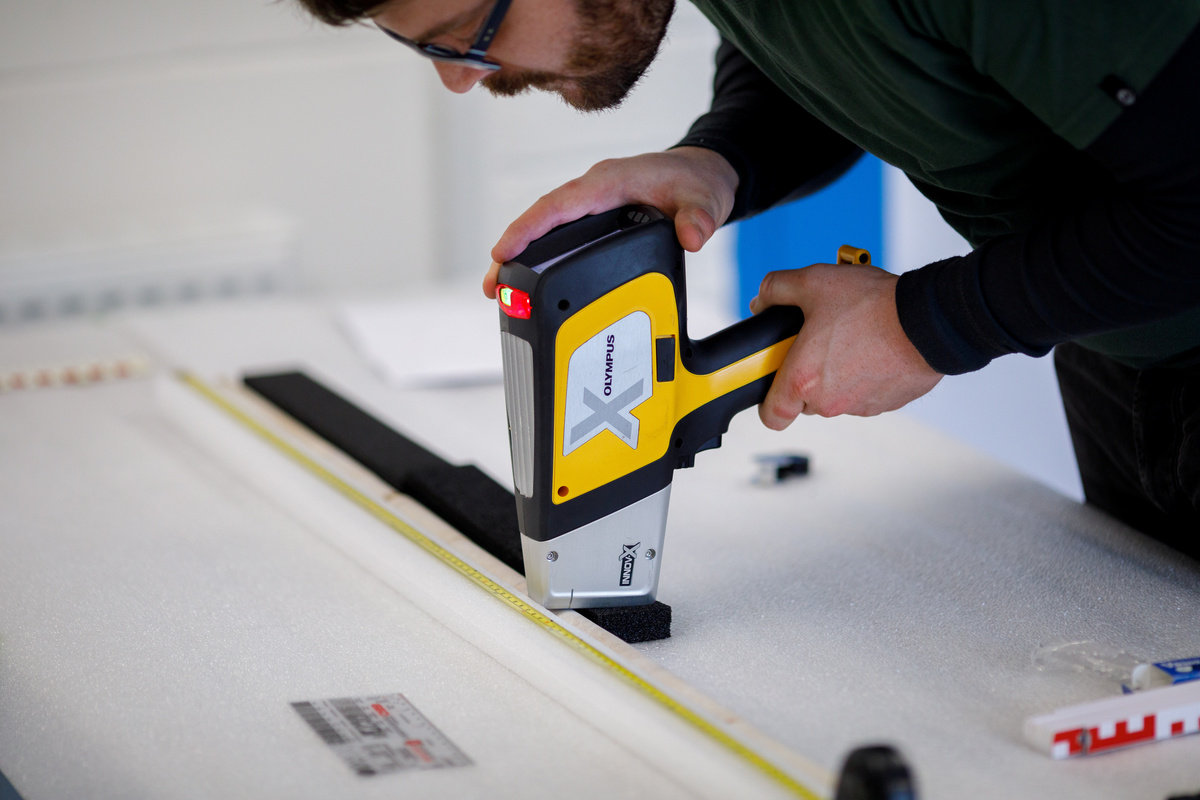
Jake Ciborowski from the University of Brighton analyses the sarsen core extracted from Stone 58 at Stonehenge using a portable x-ray fluorescence spectrometer in this undated image taken in an unknown location. English Heritage/Sam Frost/Handout via REUTERS

The sarsens were erected at Stonehenge around 2500 BC. The largest stands 30 feet (9.1 meters) tall. The heaviest weighs about 30 tons.

"The sarsen stones make up the iconic outer circle and central trilithon (two vertical stones supporting a horizontal stone) horseshoe at Stonehenge. They are enormous," said University of Brighton geomorphologist David Nash, who led the study published in the journal Science Advances.

"How they were moved to the site is still really the subject of speculation," Nash added. "Given the size of the stones, they must have either been dragged or moved on rollers to Stonehenge. We don't know the exact route but at least we now have a starting point and an endpoint."
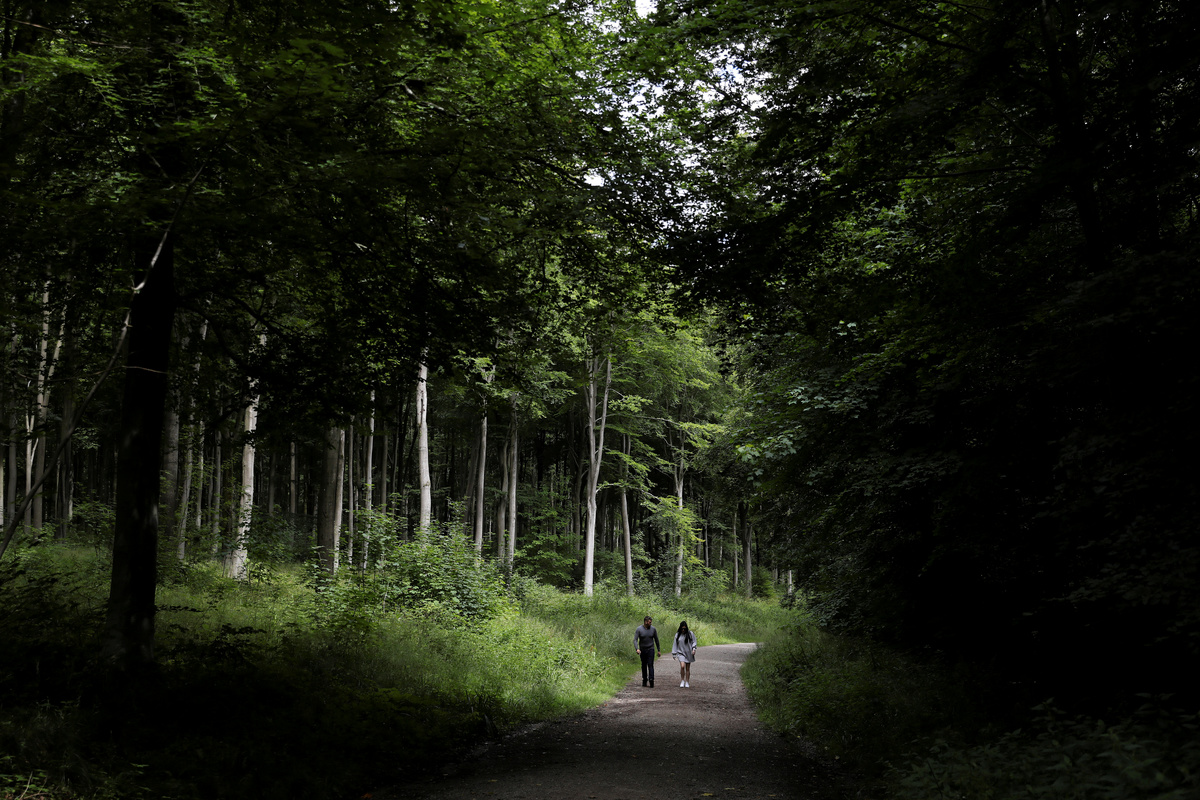
People walk on a path through the West Woods on the edge of Wiltshire's Marlborough Downs, in Marlborough, Britain, July 29, 2020. Geochemical testing indicates that 50 of Stonehenge's 52 pale-grey sandstone megaliths, known as sarsens, share a common origin. REUTERS/Simon Dawson

Stonehenge's smaller bluestones previously were traced to Pembrokeshire in Wales 150 miles (250 km) away, but the origin of the sarsens had defied identification.

A sarsen core sample, extracted during conservation work in the late 1950s when metal rods were inserted to stabilize a cracked megalith, provided crucial information. It was given as a souvenir to a man named Robert Phillips who worked for the company involved in the conservation work and was on-site during drilling.

Phillips took it with him with permission when he emigrated to the United States in 1977, living in New York, Illinois, California and finally Florida, Nash said. Phillips decided to return it to Britain for research in 2018. He died this year.
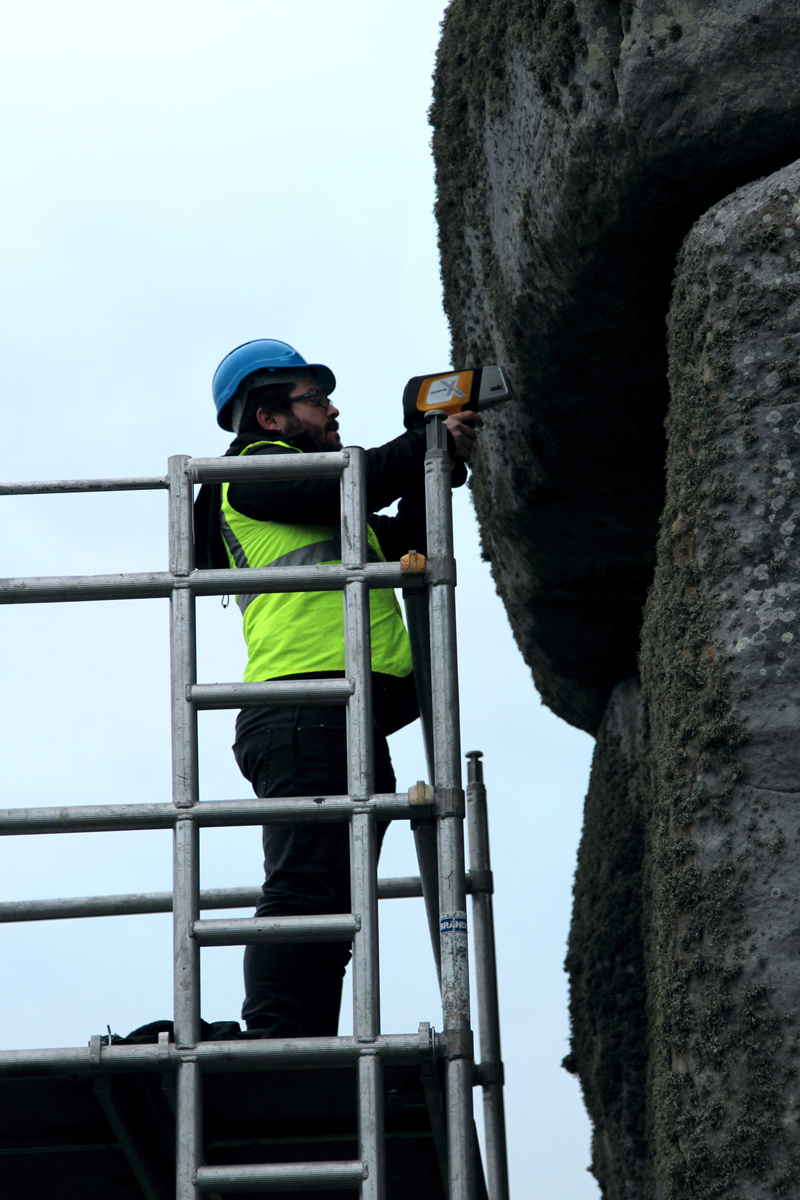
Jake Ciborowski from the University of Brighton analyses a sarsen lintel stone using a portable x-ray fluorescence spectrometer at the Stonehenge stone circle, near Amesbury, Britain, in this undated image provided to Reuters on July 29, 2020. University of Brighton/David Nash/Handout via REUTERS

The researchers analyzed fragments of the sample - destructive testing being off limits for megaliths at the site - to establish the geochemical fingerprint of the sarsen from which it was taken. That fingerprint matched sandstone still at West Woods and all but two of the Stonehenge sarsens.

"I hope that what we have found out," Nash said, "will allow people to understand more about the enormous endeavor involved in constructing Stonehenge."

(Reporting by Will Dunham; Editing by Sandra Maler)
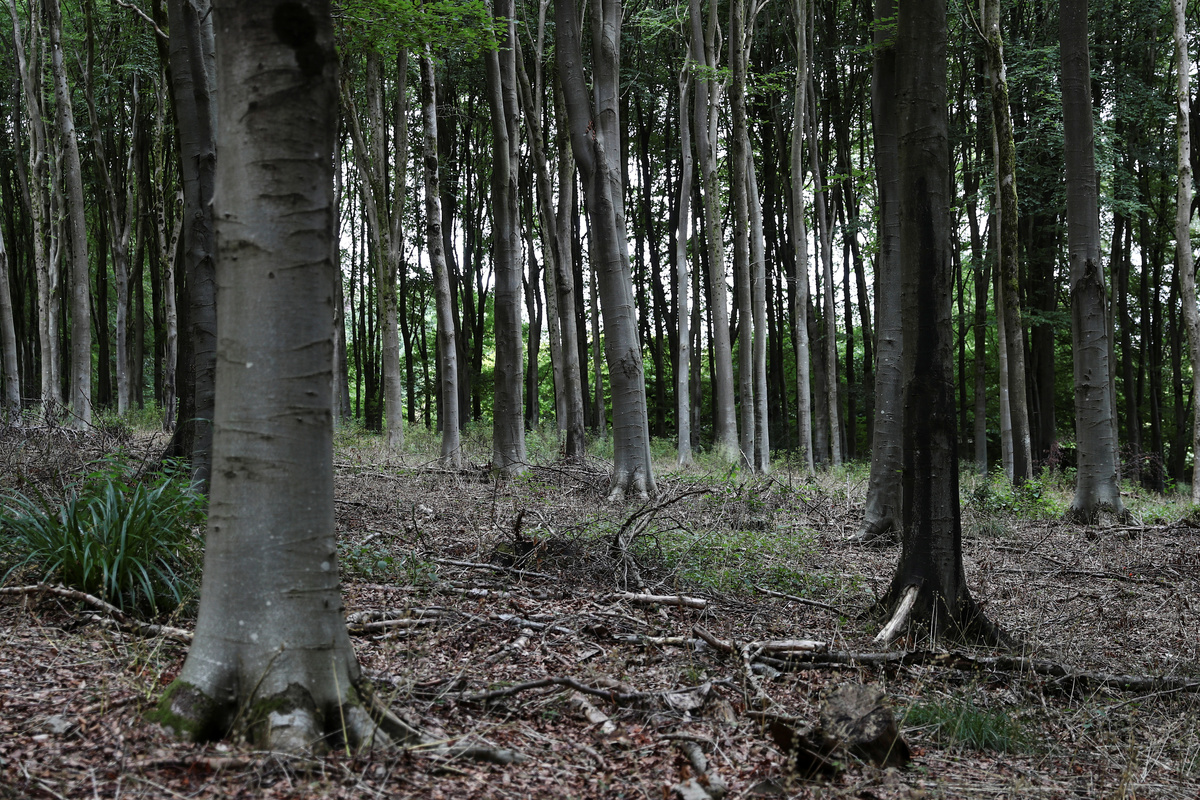
Trees stand inside West Woods on the edge of Wiltshire's Marlborough Downs, Britain, July 29, 2020. Geochemical testing indicates that 50 of Stonehenge's 52 pale-grey sandstone megaliths, known as sarsens, share a common origin. REUTERS/Simon Dawson
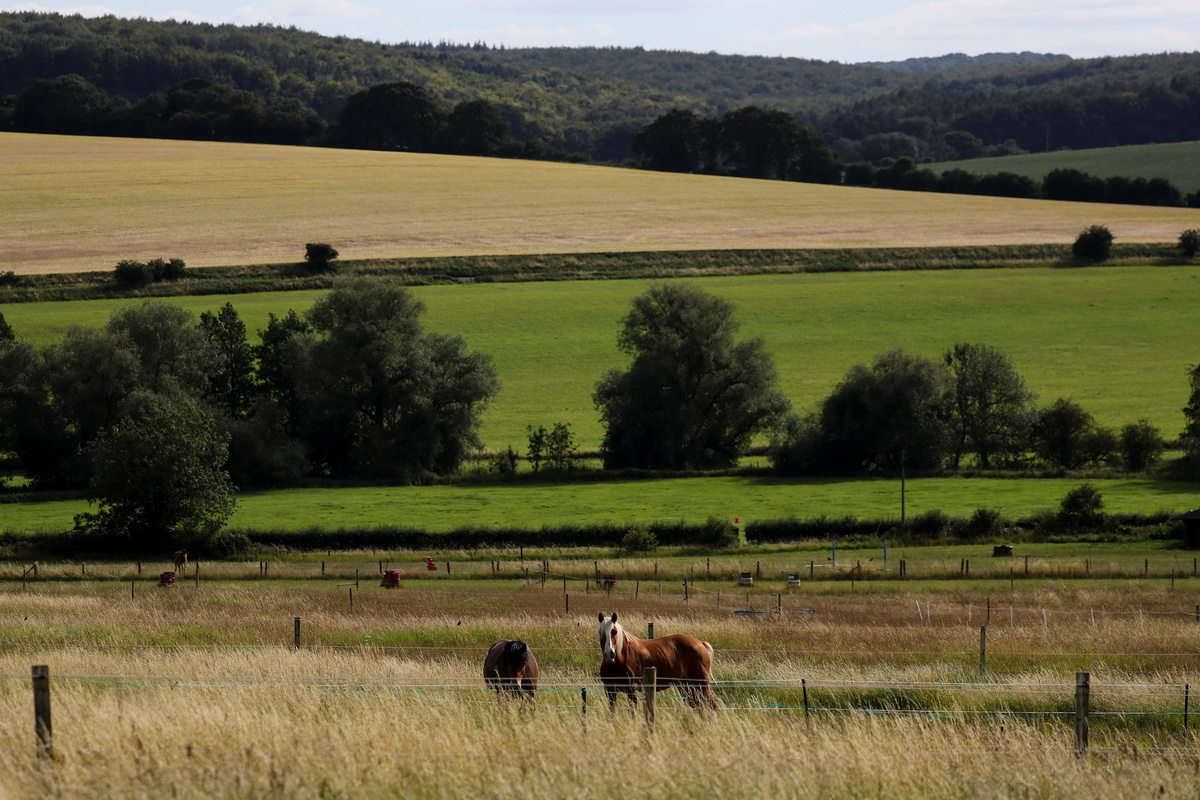
Horses graze in a field in front of West Woods on the edge of Wiltshire's Marlborough Downs, in Britain, July 29, 2020. Geochemical testing indicates that 50 of Stonehenge's 52 pale-grey sandstone megaliths, known as sarsens, share a common origin. REUTERS/Simon Dawson
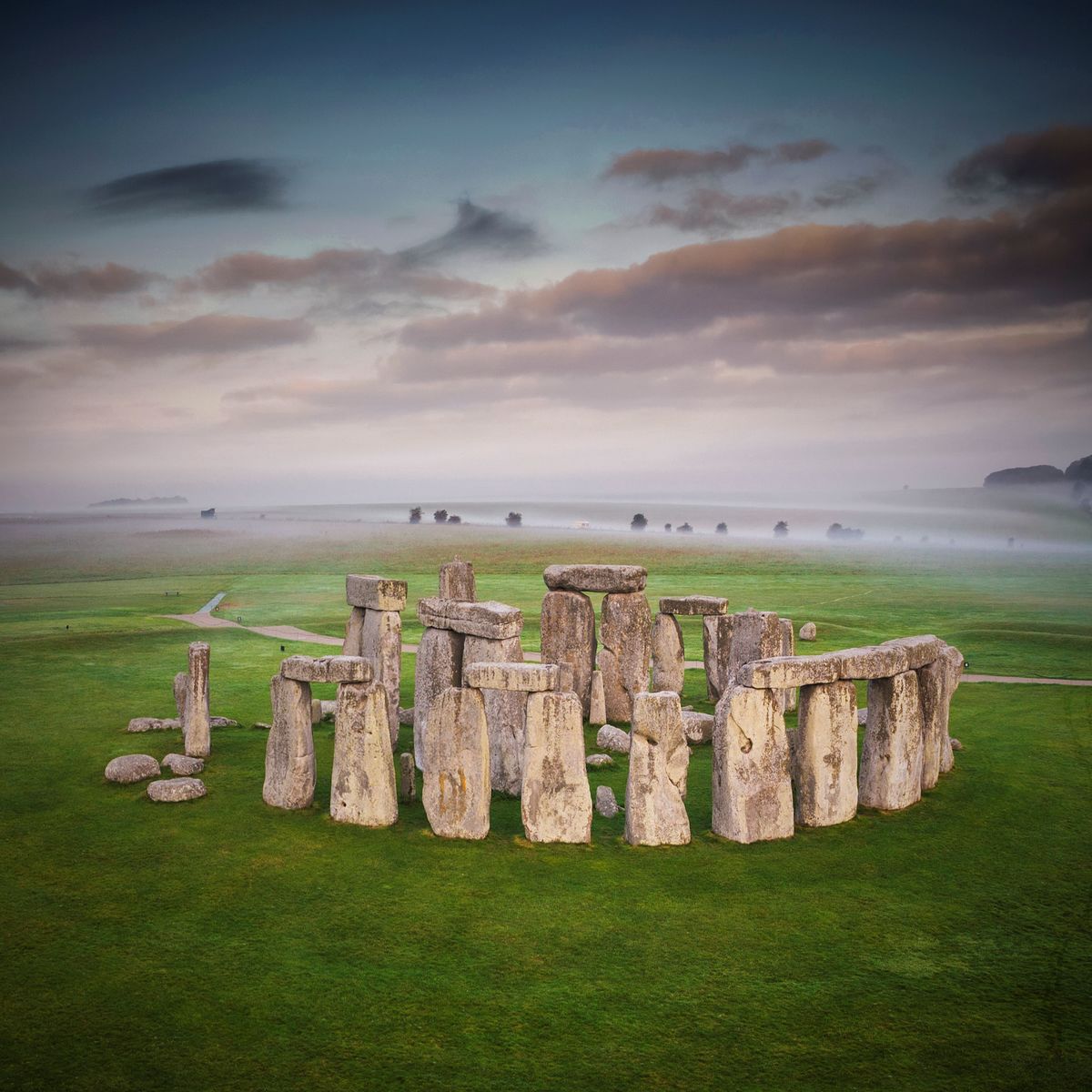
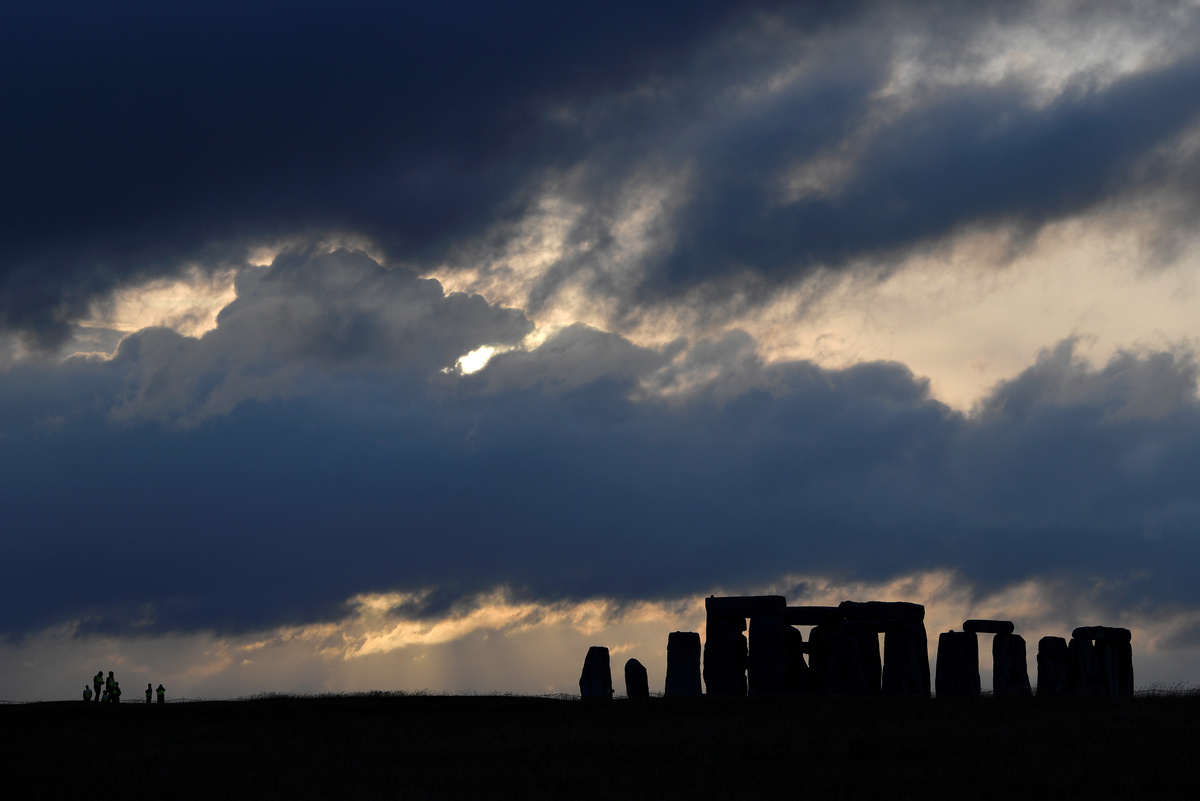
General view of the Stonehenge stone circle, near Amesbury, Britain, as seen in this undated image provided to Reuters on July 29, 2020. English Heritage/A.Pattenden/Handout via REUTERS
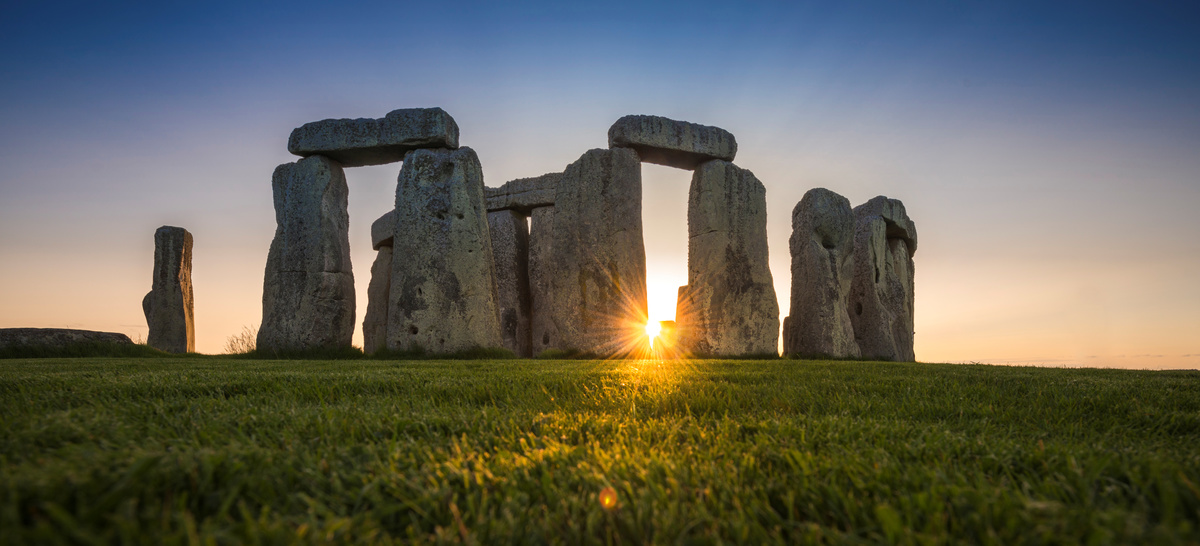
FILE PHOTO: General view of the Stonehenge stone circle during the sunset, near Amesbury, Britain, as seen in this undated image provided to Reuters on July 29, 2020. English Heritage/A.Pattenden/Handout via REUTERS
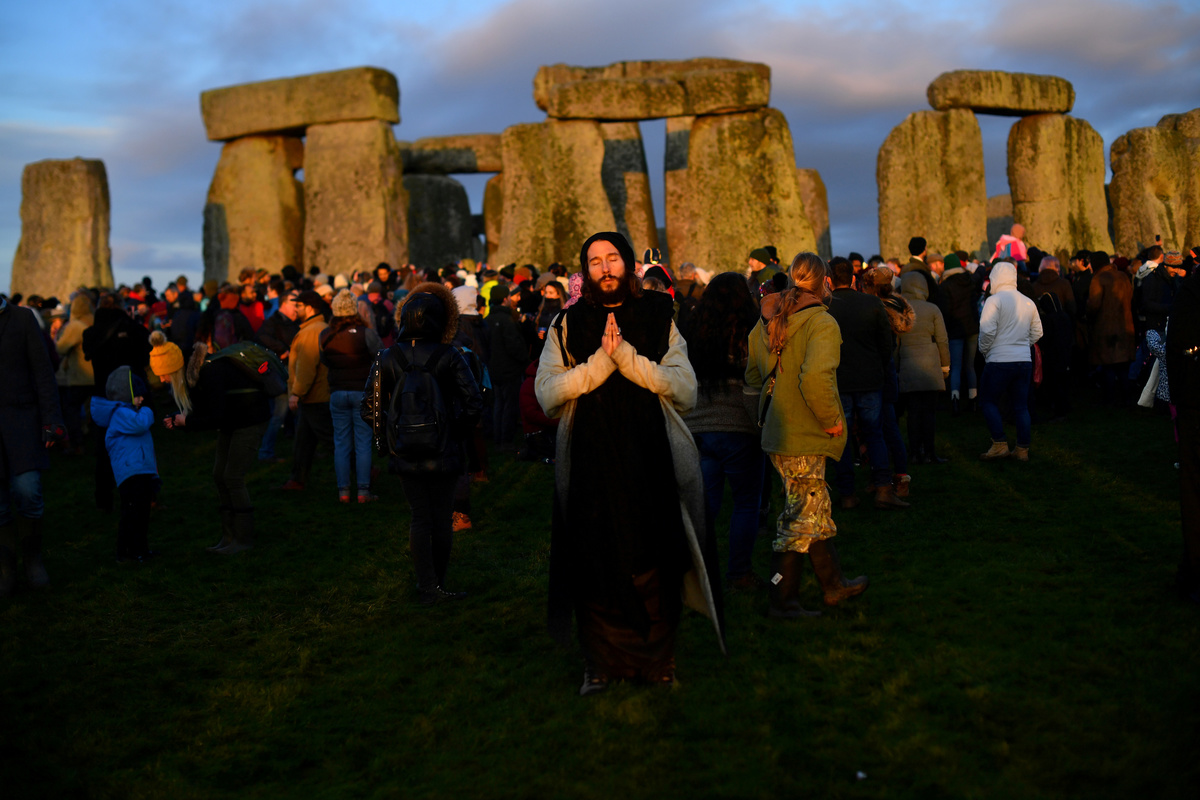
FILE PHOTO: Revellers enjoy the sunrise as they welcome the winter solstice at Stonehenge stone circle in Amesbury, Britain, December 22, 2019. REUTERS/Dylan Martinez/File Photo
FILE PHOTO: Security officers patrol around the perimeter of Stonehenge stone circle during sunset, where official Summer Solstice celebrations were cancelled due to the spread of the coronavirus disease (COVID-19), near Amesbury, Britain June 20, 2020. REUTERS/Toby Melville/File Photo
Sign up to read this article
Read news from 100’s of titles, curated specifically for you.
Already a member? Sign in here
Related Stories
Top stories on inkl right now
One subscription that gives you access to news from hundreds of sites
Already a member? Sign in here
Our Picks
Fourteen days free
Download the app
One app. One membership.
100+ trusted global sources.