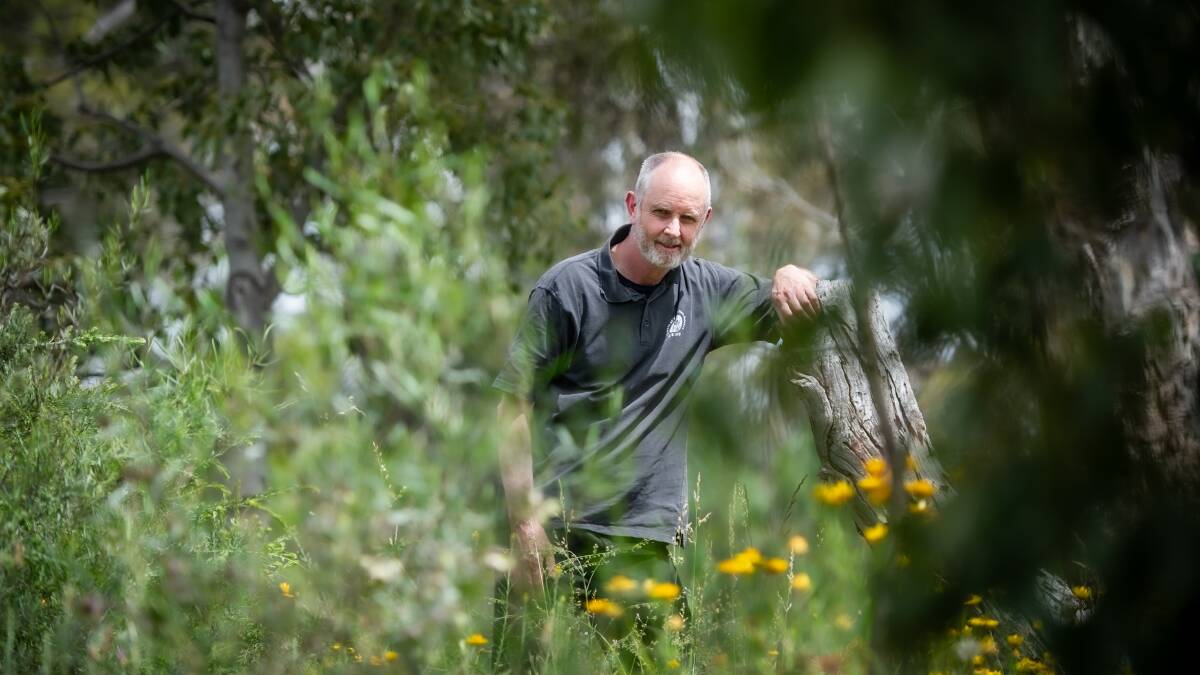
Scientists at the CSIRO are developing a technology which would genetically modify cats and mice to prevent the birth of females and help control their numbers.
The biosecurity measure would be part of a solution for preventing what researchers have called invasive species' unprecedented attack on native wildlife.
CSIRO scientist Dr Andy Sheppard said the genome editing technology had been demonstrated to work in mosquitoes with researchers now attempting to replicate it in a mouse.
Dr Sheppard said the Center of Invasive Species studies had found the technology would be most effective if used to also control cane toad and rabbit numbers.
"These are novel technologies," he said. "But the theory says it should work."
The program would be introduced in the hope of avoiding what a joint report between the CSIRO and the invasive species center has found could see catastrophe for native flora and fauna by 2050.
Researchers found Australia will look very different without improved biocontrols to limit or eliminate pests and weeds, reported to cost around $25 billion annually in conservation efforts.
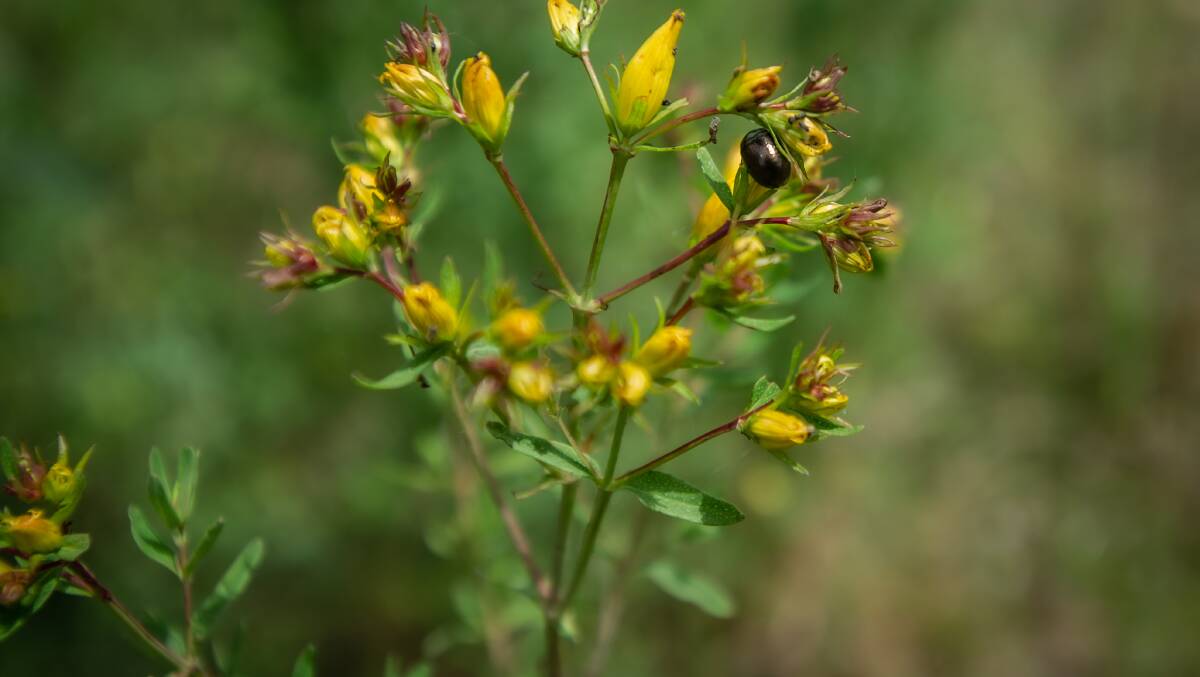
Dr Sheppard said invasive alien species are the number one driver of biodiversity loss in Australia, with rabbits and feral cats among the worst offenders in the ACT.
"Where these rabbits have the most impact on the environment is in native grasslands and they're already in very short supply in the ACT," he said.
Despite all native land being identified and managed in the ACT, the European rabbits ubiquitous to the capital still encroach on those areas, Dr Sheppard said.
"They are still a significant threat to those highly rare and protected ecosystems that support enormous amounts of our amazing reptile and invertebrate fauna, as well as all the plants," he said.
Invasive species have already contributed to the confirmed extinctions of 79 Australian natives, with almost all extinctions since the1960s a result of invasive species, the report found.
Eight in 10 of Australia's land-based threatened species are at risk and much of the blame rests with 207 weed species, 57 invasive animals and three pathogens, according to researchers.
Dr Sheppard said urgent, decisive and coordinated action was crucial to protect Australia's irreplaceable native animals and plants.
He said while it was important to safely harness emerging technologies and invest in long term research and development, community action was equally as important.
"It's not an investment problem, it's more to do with a public awareness problem," Dr Sheppard said.
"New Zealand have been much more effective than Australia at getting their entire population in understanding the role community can play as an effective surveillance system," he said.
Dr Sheppard said local groups could play an important role by reporting biosecurity threats to authorities and advocating for the protection of native wildlife.
"Prevention will be much cheaper and more effective than trying to control the spread of pests and weeds once they are established," he said.