Scientists investigate icy streams for survival clues
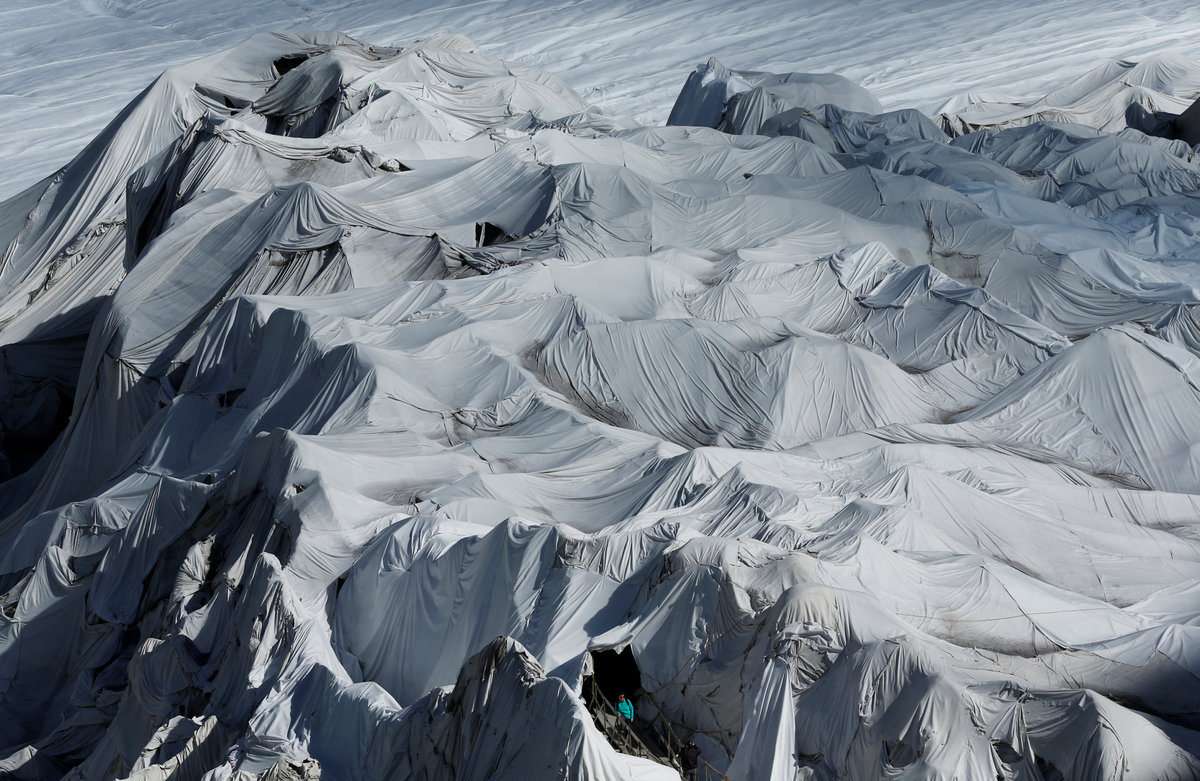
A woman poses for a picture outside the Ice Cave at the Rhone Glacier in Furka, Switzerland, September 13, 2018. REUTERS/Denis Balibouse
FURKA, Switzerland (Reuters) - A team of scientists has embarked on a four-year quest to discover what beyond water the world loses when glaciers melt.
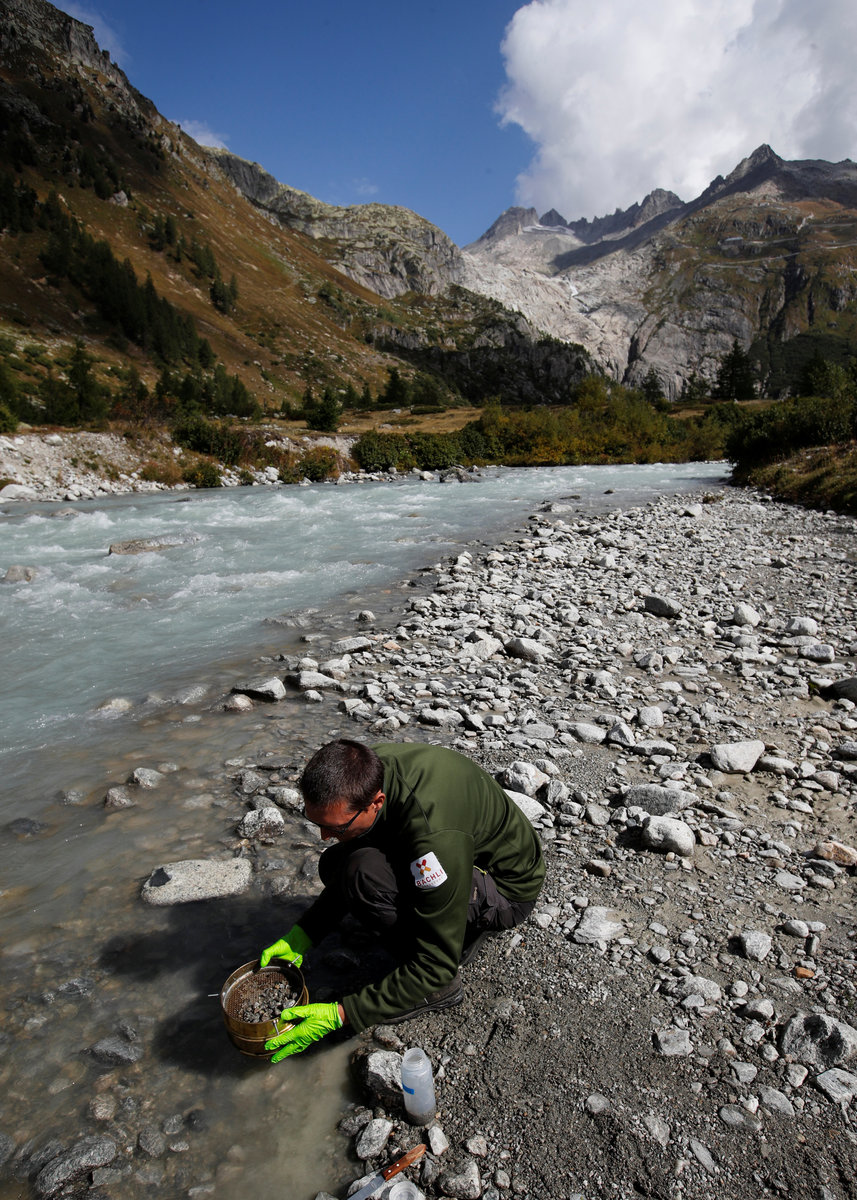
By poring over microorganisms they find in glacier-fed streams, researchers from the Swiss Federal Institute of Technology Lausanne (EPFL) hope to better understand how these creatures have adapted to their extreme environments.
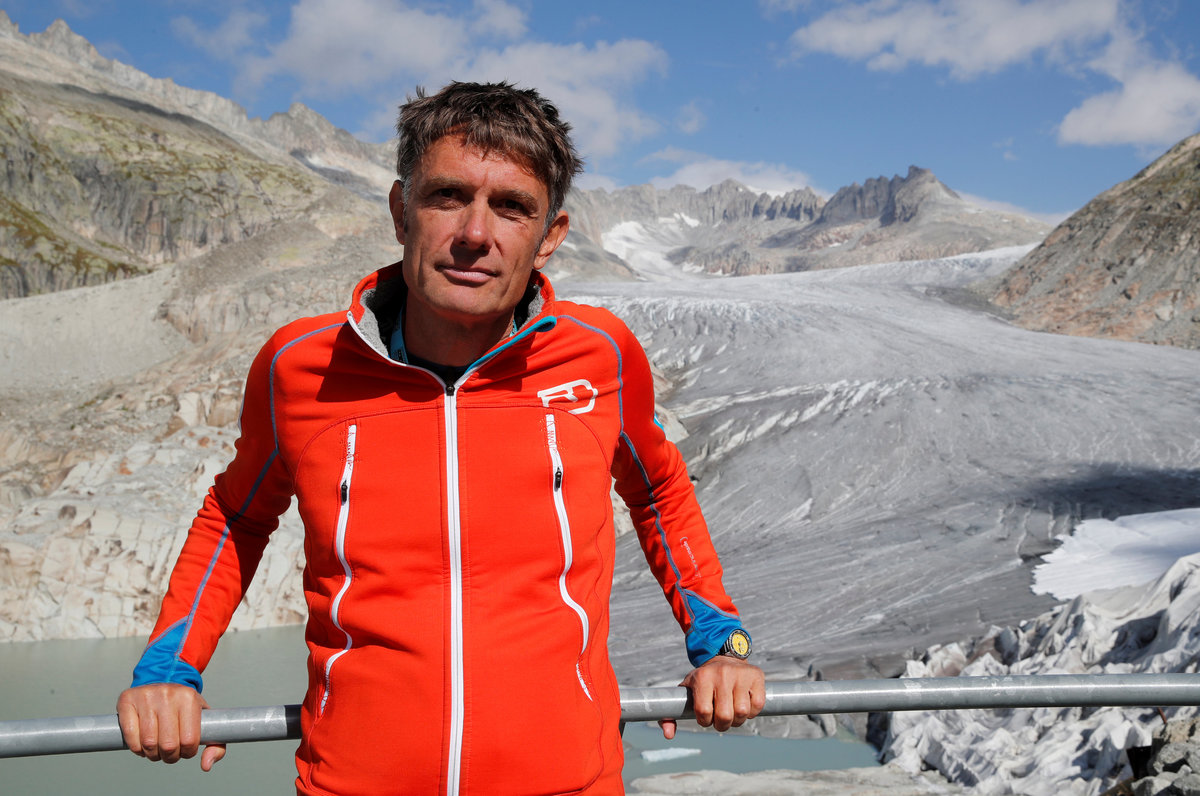
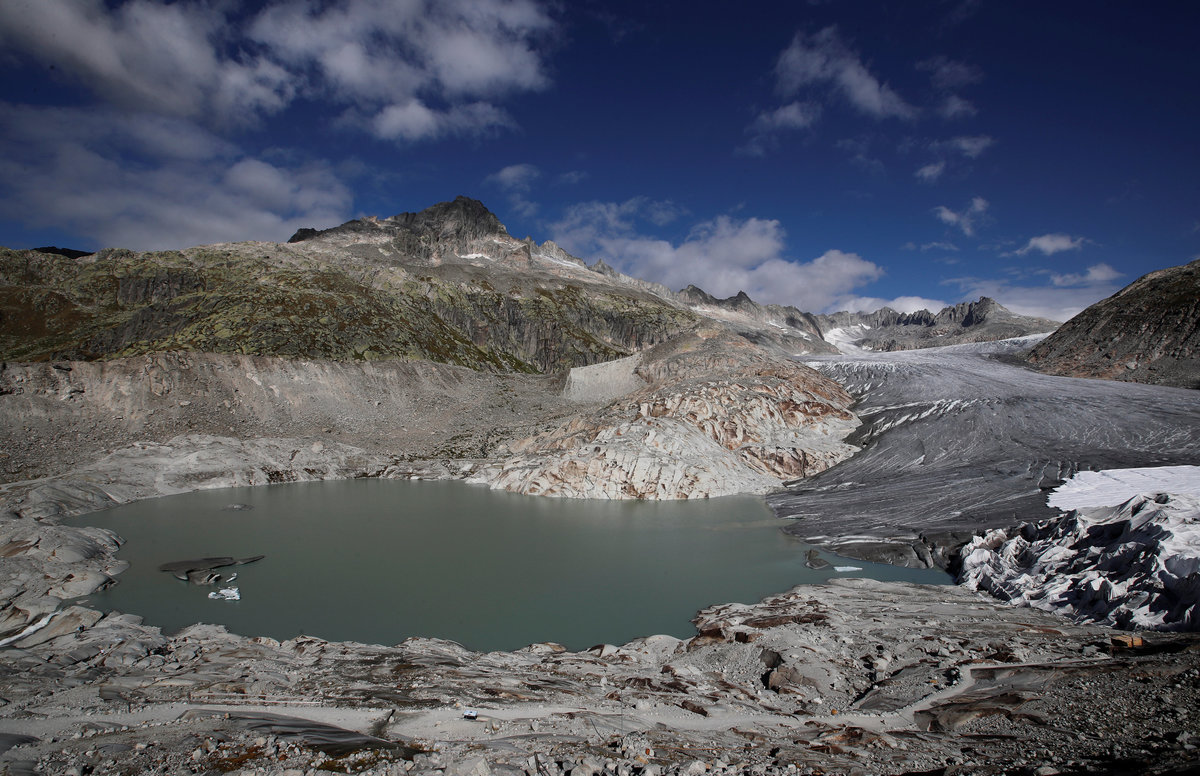
"It's time for us to find new ways to face this unprecedented environmental change," said Tom Battin, academic director at EPFL who will coordinate the project and lead the research, speaking to reporters by the Rhone glacier now covered with reflective white sheets to help slow its melting.
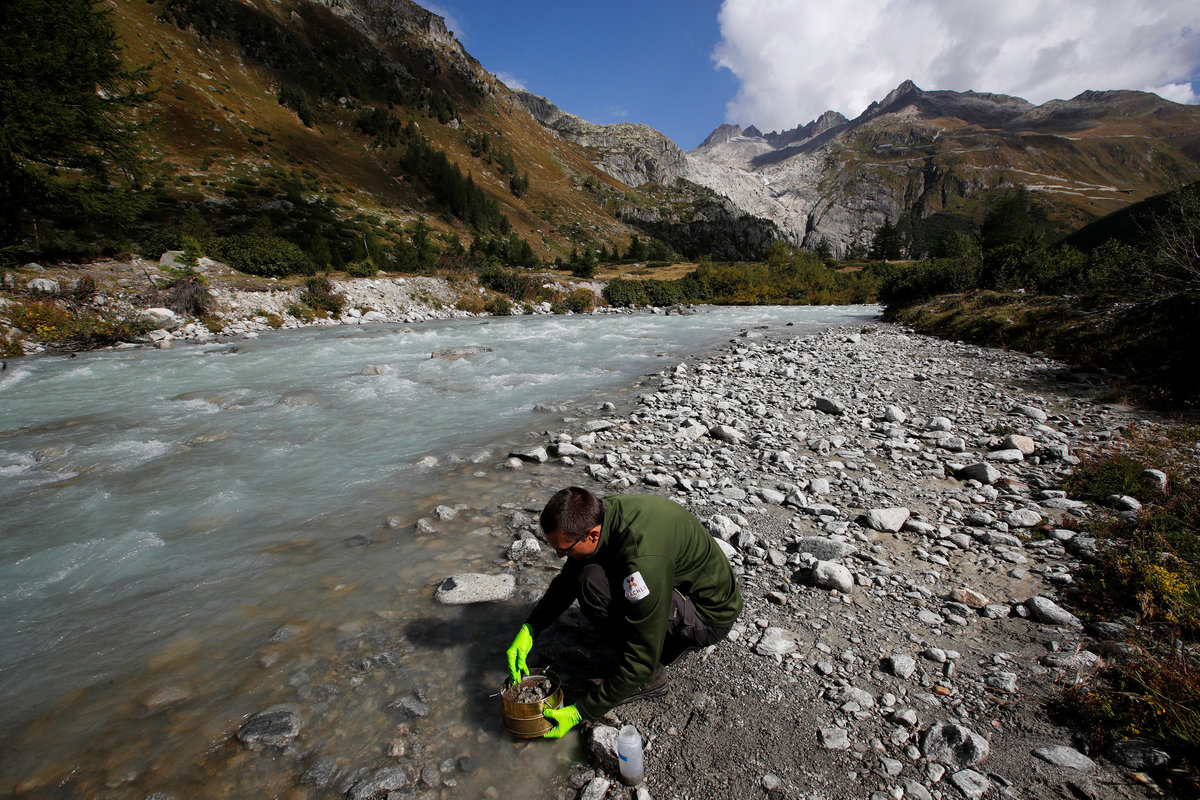
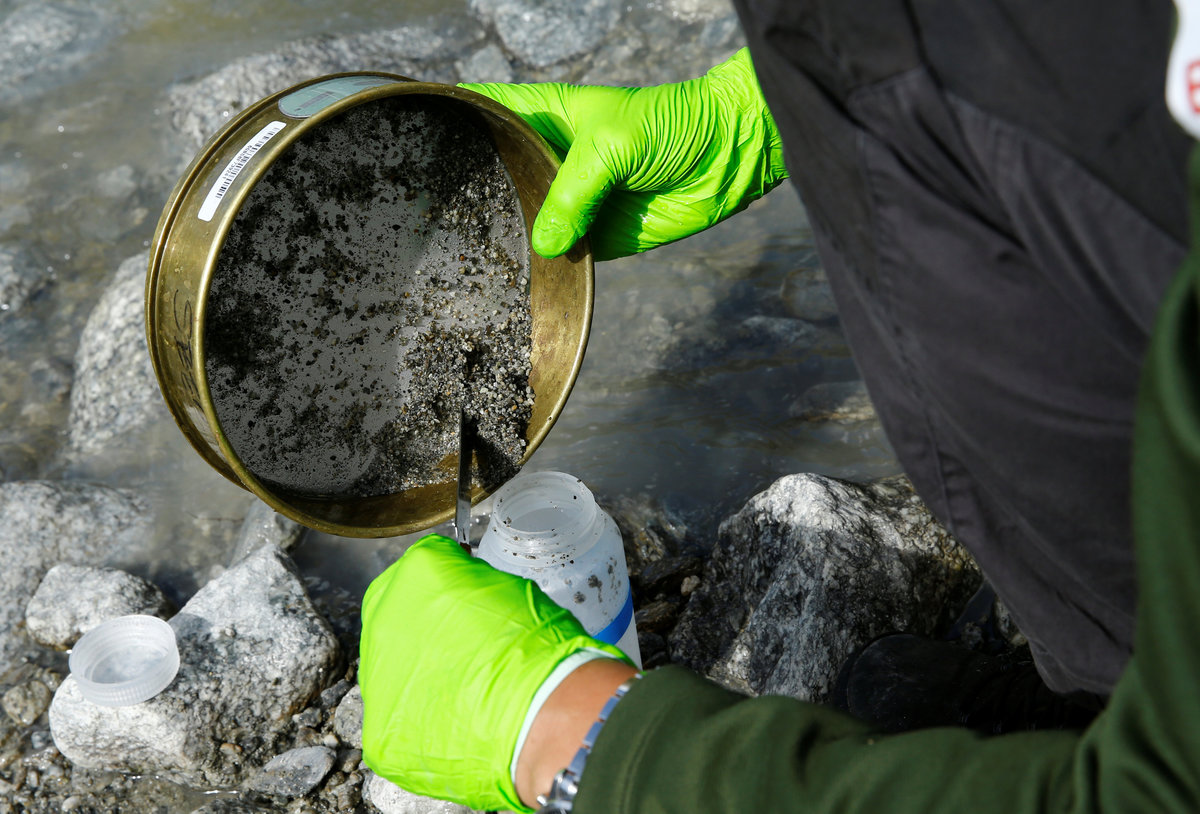
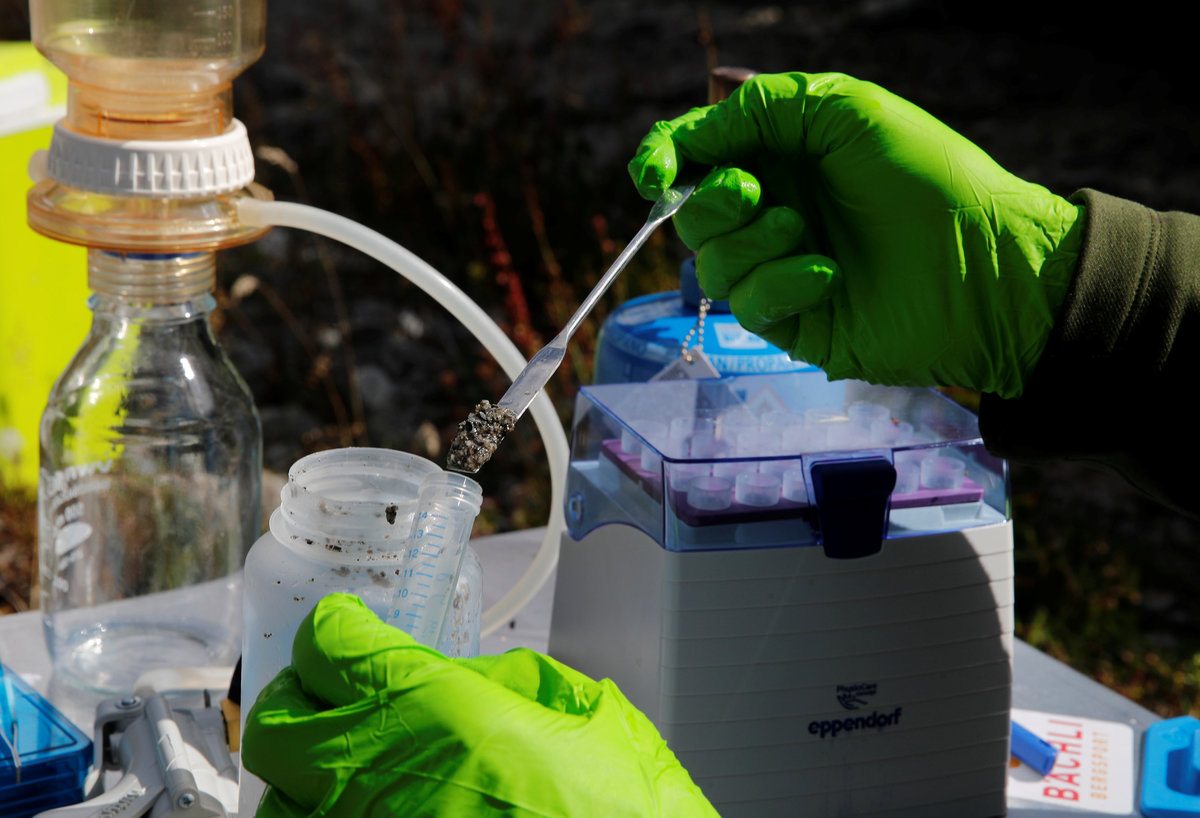
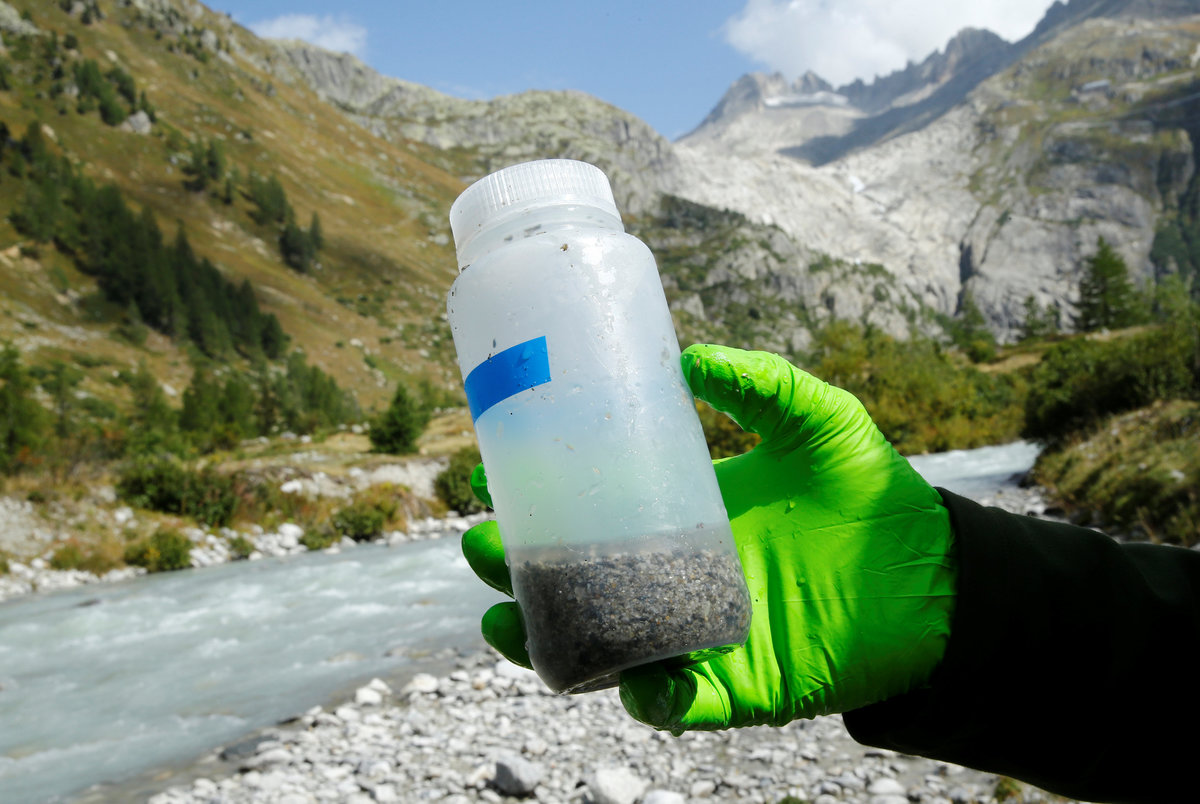
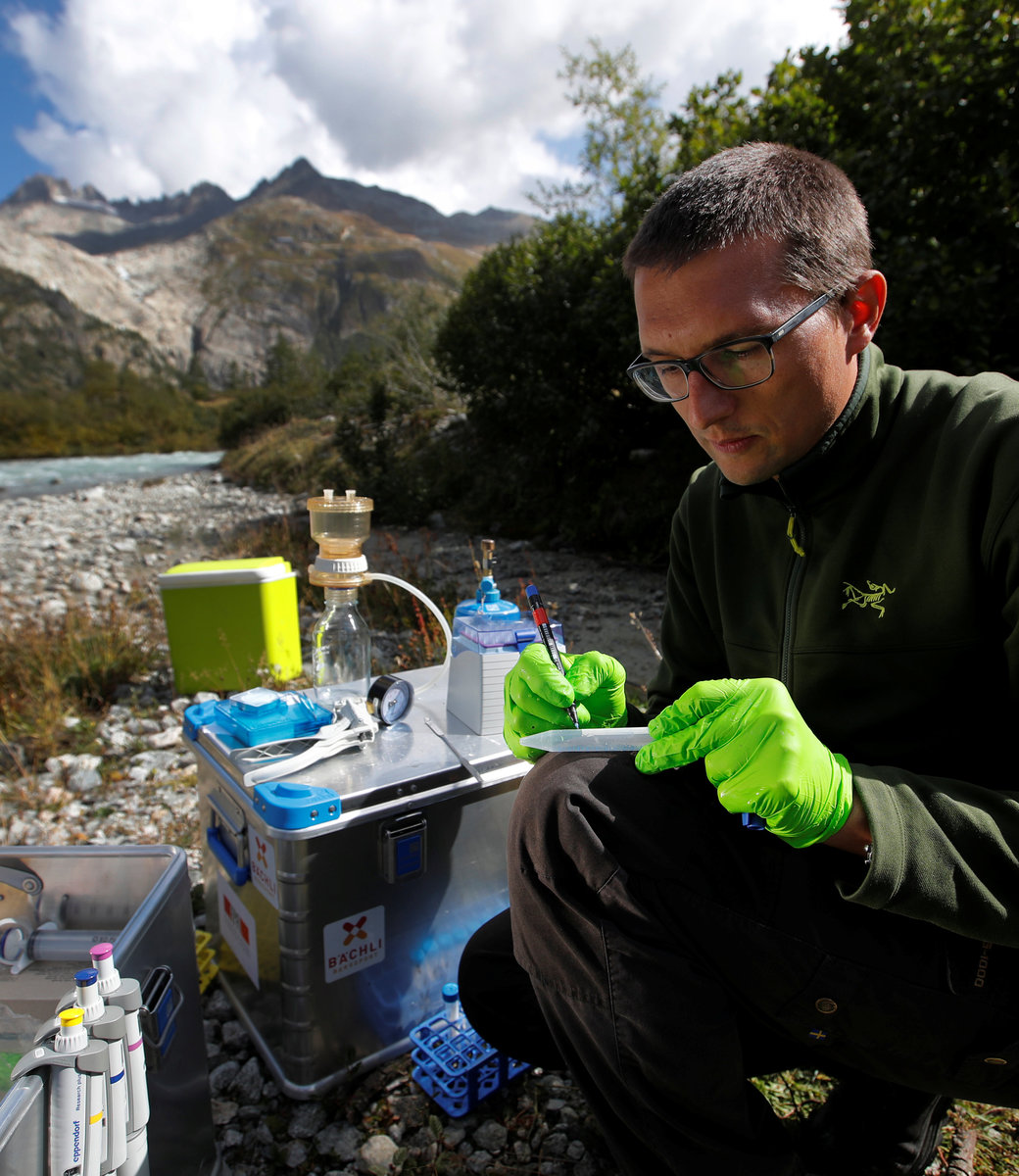
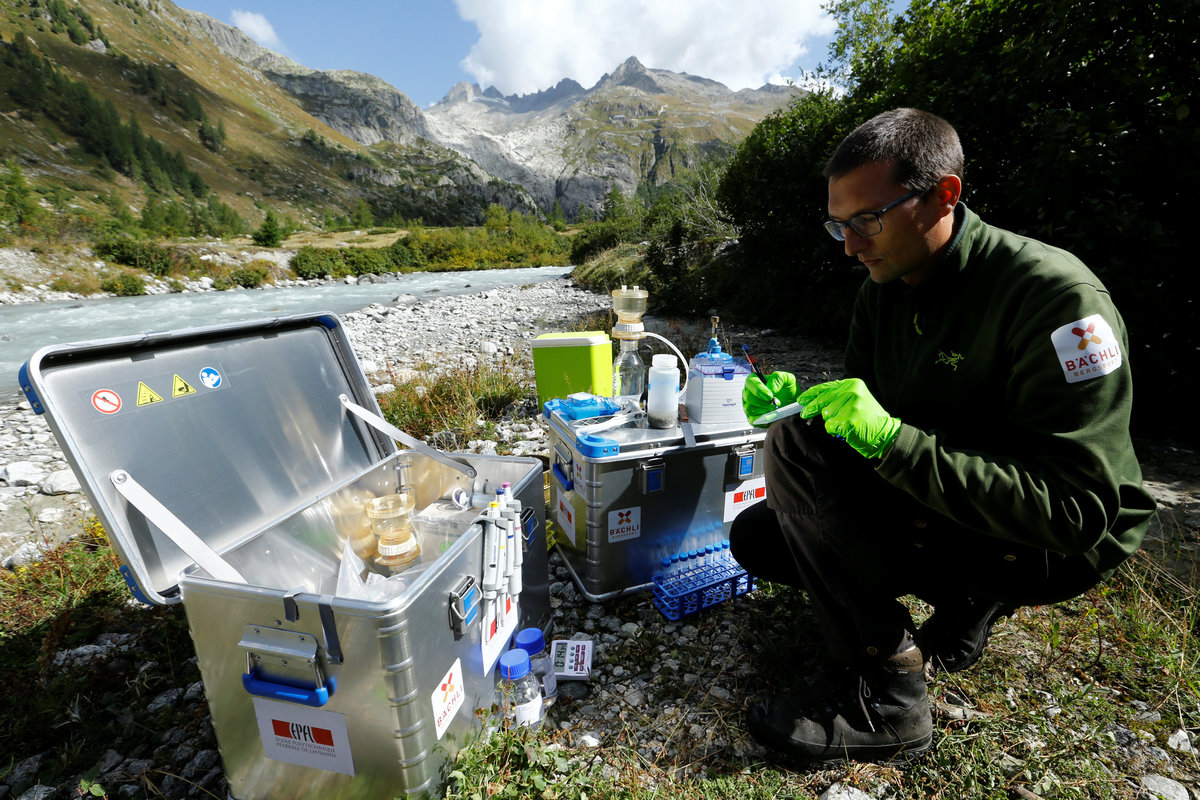
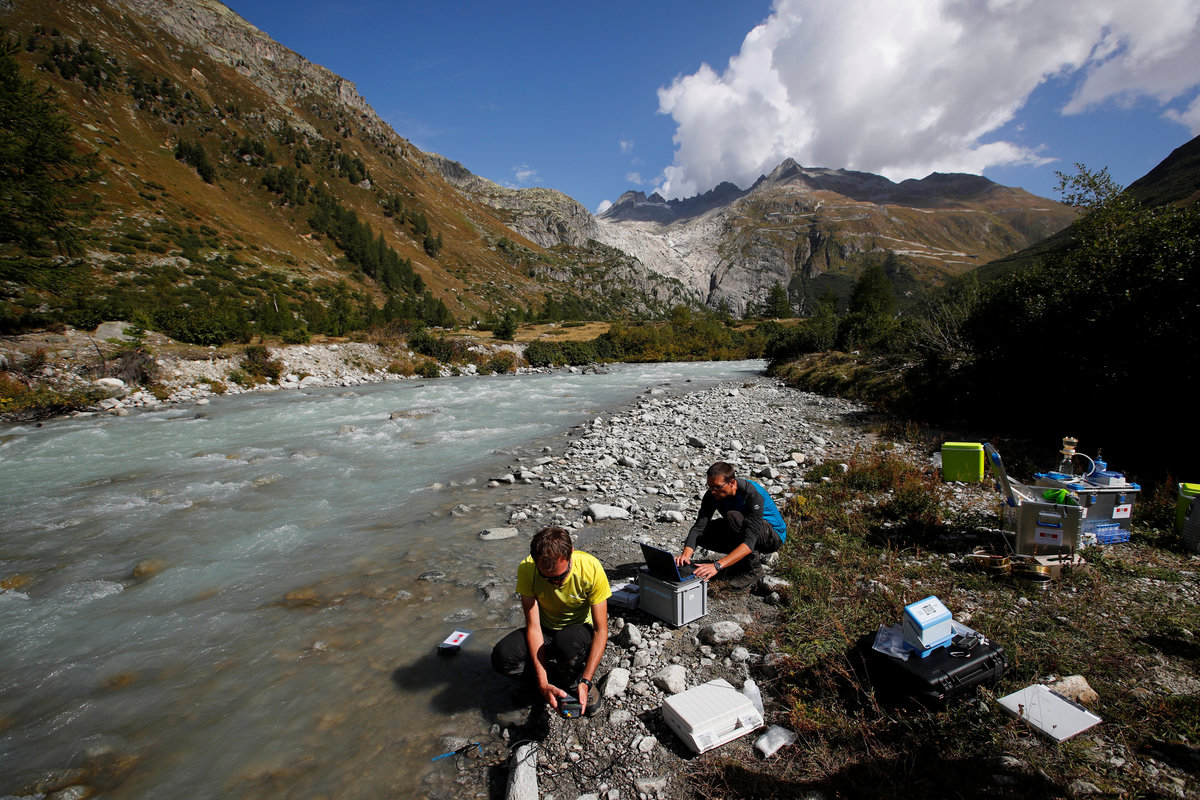
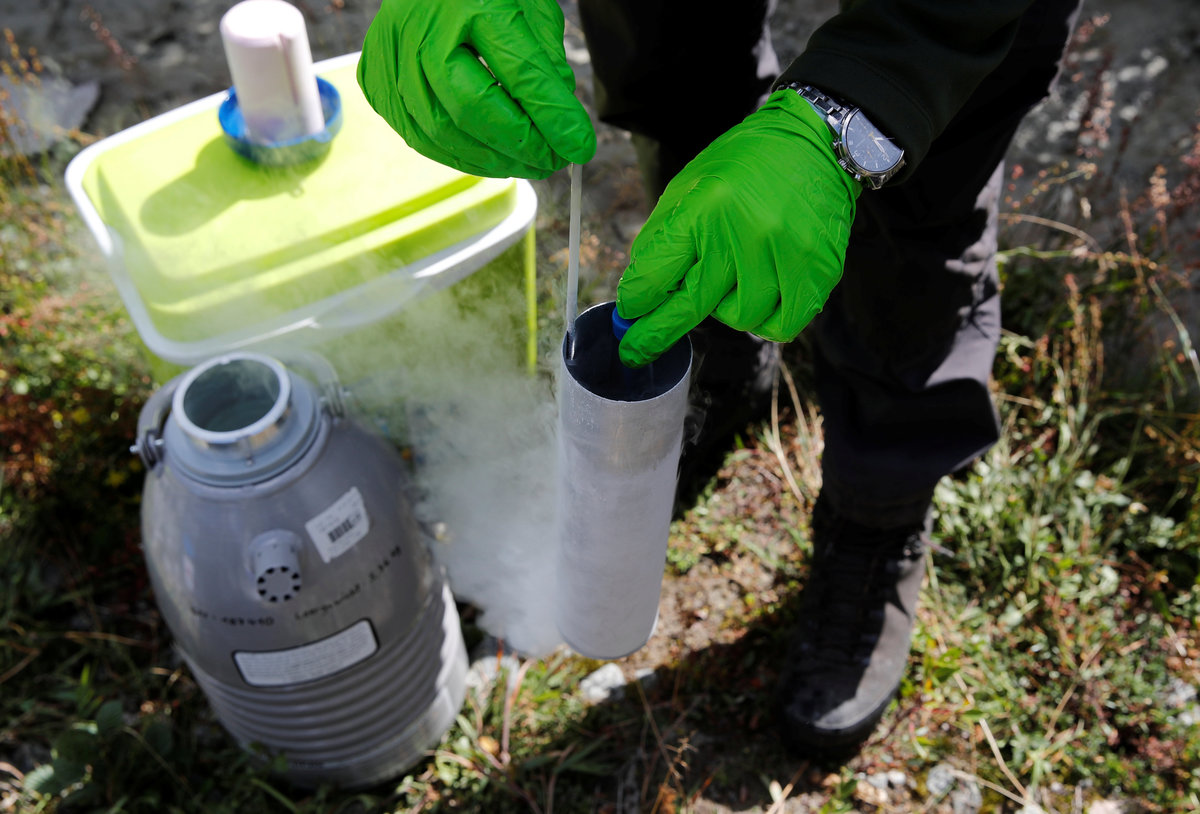
Hannes Peter of the Alpine and Polar Environment Research Center (Alpole) from the Ecole Polytechnique Federale de Lausanne (EPFL) collects microorganisms from a stream to extract their DNA to better understand how they have adapted to their extreme environment, near the Rhone Glacier in Furka, Switzerland, September 13, 2018. REUTERS/Denis Balibouse
"What is very important now in science is that we start to work across the boundaries of different disciplines. Too often and too rapidly we go from glacier loss to sea level rise. What happens in between is unknown," he said.
Researchers will travel to the world's largest mountain glacier systems, collecting microorganisms from hundreds of glacier-fed streams and analyzing their genomes. The work will take them to streams in Alaska, the Himalayas, the Andes, Greenland, Scandinavia, Pamir, Kamchatka, Caucasus, New Zealand and the European Alps.
Glaciers and their streams were once abundant, but are vanishing as a result of climate change. Glaciologists predict that half of the small glaciers in Switzerland will disappear within the next 25 years.
Hannes Peter of the Alpine and Polar Environment Research Center (Alpole) from the Ecole Polytechnique Federale de Lausanne (EPFL) collects microorganisms from a stream to extract their DNA to better understand how they have adapted to their extreme environment, near the Rhone Glacier in Furka, Switzerland, September 13, 2018. REUTERS/Denis Balibouse
The same holds true for their glacier-fed streams and the ecosystems they support.
(Reporting by Denis Balibouse; writing by Michael Shields; Editing by Alison Williams)
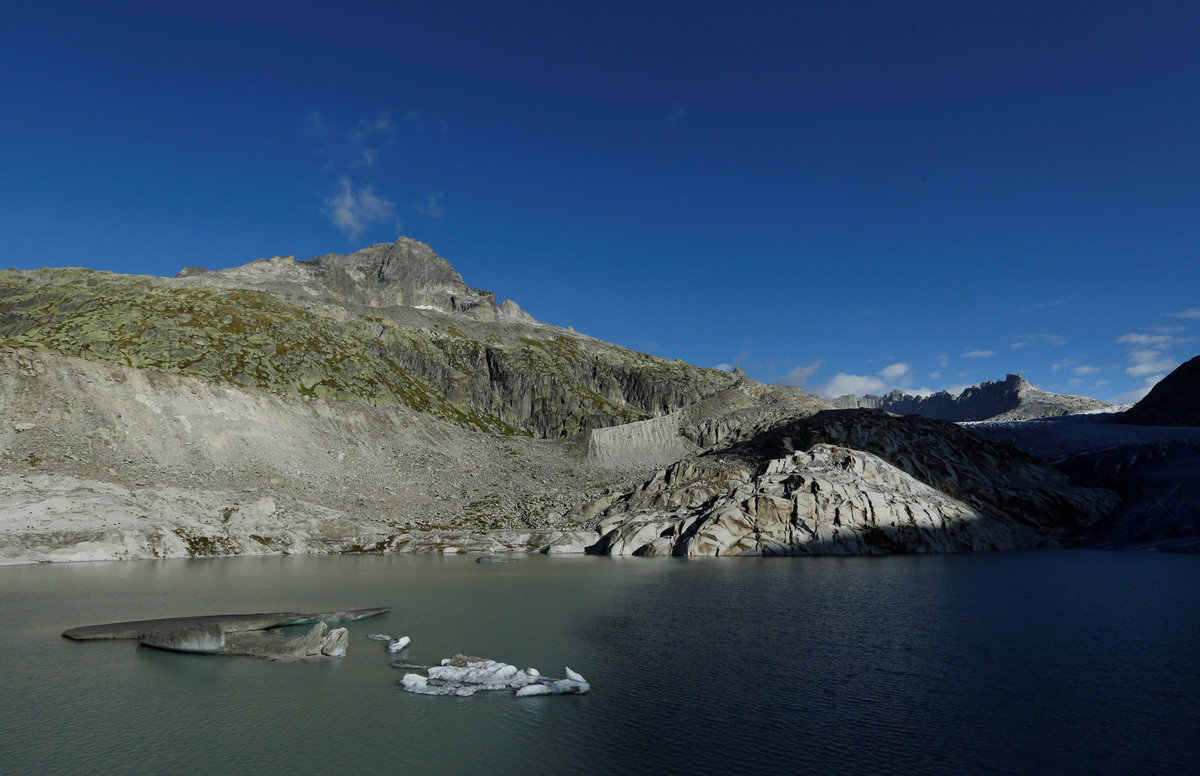
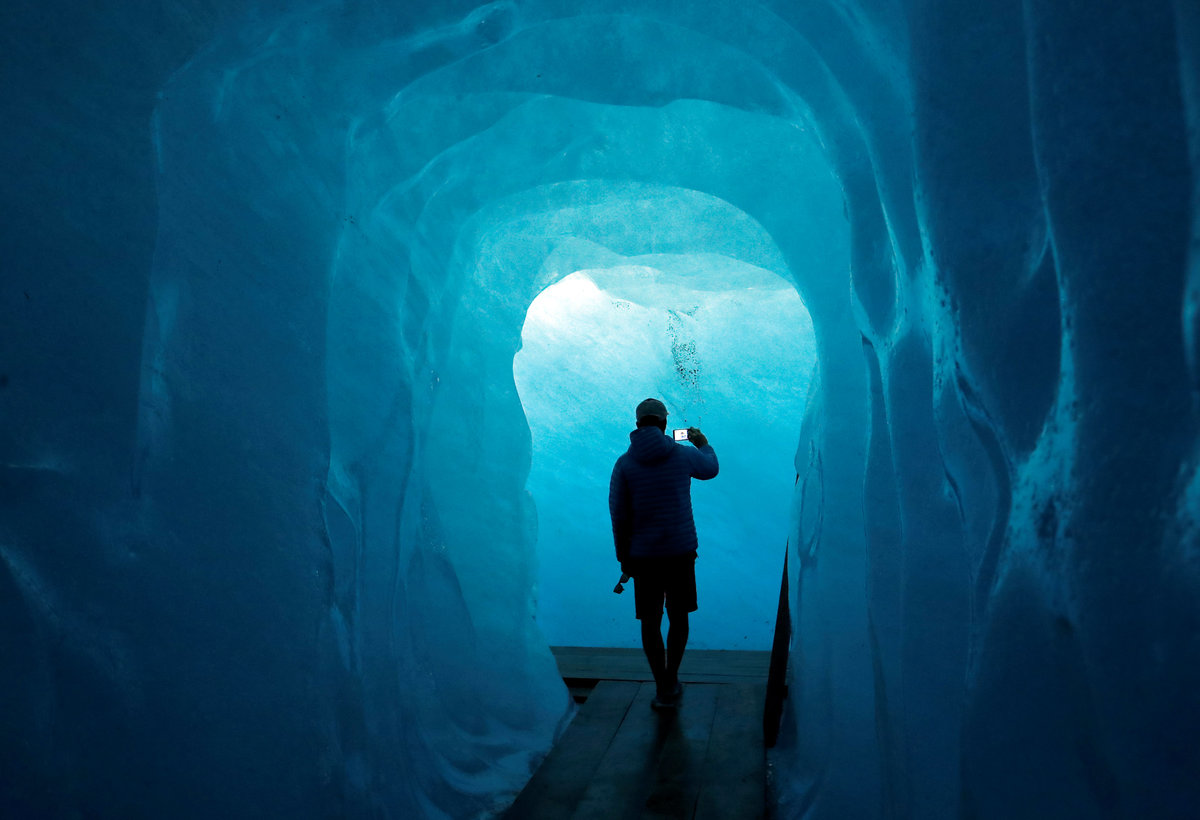
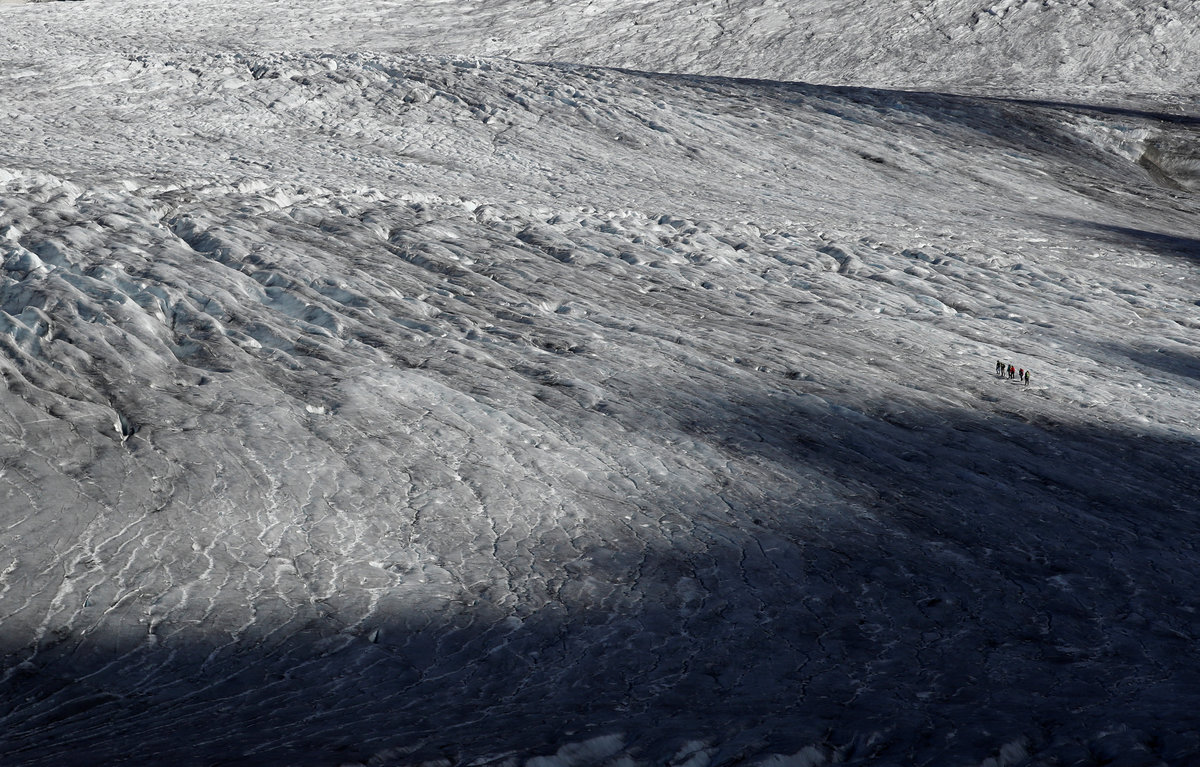
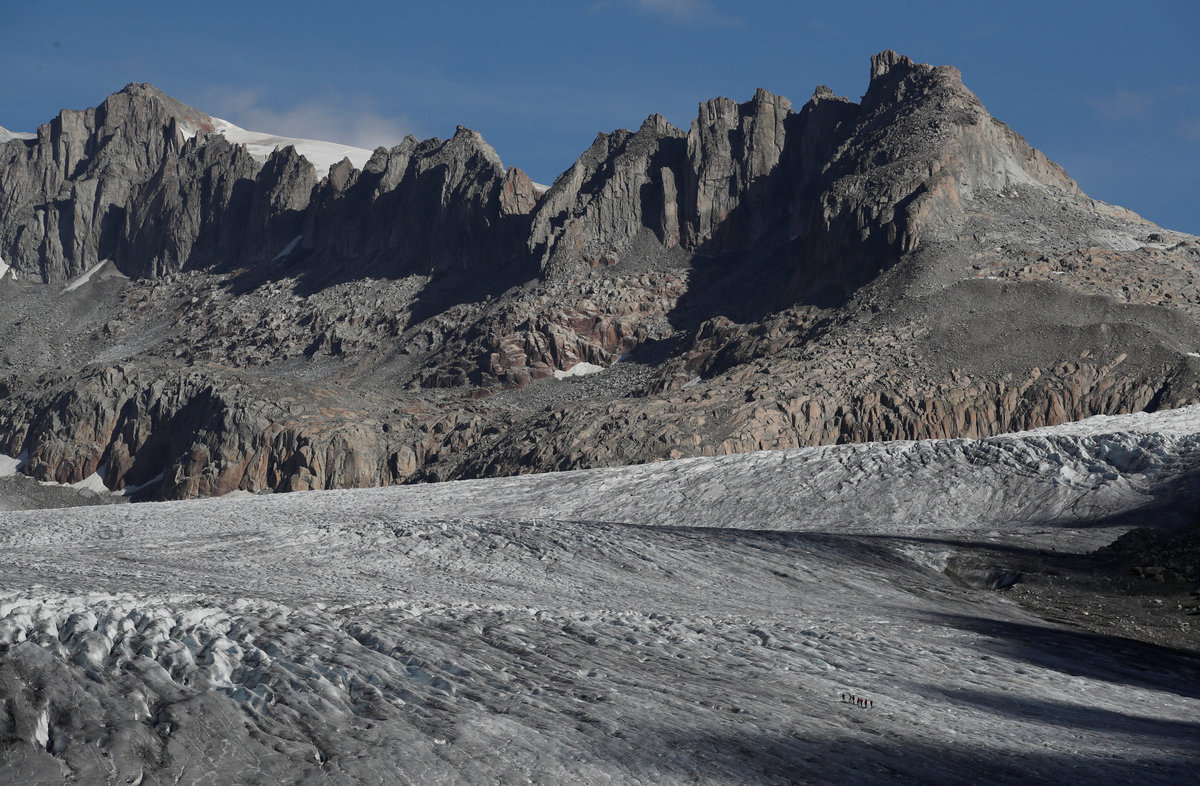
Hannes Peter of the Alpine and Polar Environment Research Center (Alpole) from the Ecole Polytechnique Federale de Lausanne (EPFL) collects microorganisms from a stream to extract their DNA to better understand how they have adapted to their extreme environment, near the Rhone Glacier in Furka, Switzerland, September 13, 2018. REUTERS/Denis BalibouseA lake of melted ice is pictured at the bottom of the Rhone Glacier in Furka, Switzerland, September 13, 2018. REUTERS/Denis BalibouseA tourist takes a picture in the Ice Cave at the Rhone Glacier in Furka, Switzerland, September 13, 2018. REUTERS/Denis BalibouseHannes Peter of the Alpine and Polar Environment Research Center (Alpole) from the Ecole Polytechnique Federale de Lausanne (EPFL) collects microorganisms from a stream to extract their DNA to better understand how they have adapted to their extreme environment, near the Rhone Glacier in Furka, Switzerland, September 13, 2018. REUTERS/Denis BalibouseTom Battin of the Alpine and Polar Environment Research Center (Alpole) from the Ecole Polytechnique Federale de Lausanne (EPFL) poses at the start of his project to collects microorganisms from a stream to extract their DNA to better understand how they have adapted to their extreme environment, near the Rhone Glacier in Furka, Switzerland, September 13, 2018. REUTERS/Denis BalibouseHannes Peter of the Alpine and Polar Environment Research Center (Alpole) from the Ecole Polytechnique Federale de Lausanne (EPFL) collects microorganisms from a stream to extract their DNA to better understand how they have adapted to their extreme environment, near the Rhone Glacier in Furka, Switzerland, September 13, 2018. REUTERS/Denis BalibouseHannes Peter of the Alpine and Polar Environment Research Center (Alpole) from the Ecole Polytechnique Federale de Lausanne (EPFL) collects microorganisms from a stream to extract their DNA to better understand how they have adapted to their extreme environment, near the Rhone Glacier in Furka, Switzerland, September 13, 2018. REUTERS/Denis BalibouseHannes Peter of the Alpine and Polar Environment Research Center (Alpole) from the Ecole Polytechnique Federale de Lausanne (EPFL) and a colleague perform analyses after collecting microorganisms from a stream to extract their DNA to better understand how they have adapted to their extreme environment, near the Rhone Glacier in Furka, Switzerland, September 13, 2018. REUTERS/Denis BalibouseHannes Peter of the Alpine and Polar Environment Research Center (Alpole) from the Ecole Polytechnique Federale de Lausanne (EPFL) stores samples of microorganisms near the Rhone Glacier in Furka, Switzerland, September 13, 2018. REUTERS/Denis BalibouseA roped party climbs on the Rhone Glacier in Furka, Switzerland, September 13, 2018. REUTERS/Denis BalibouseA lake of melted ice is pictured at the bottom of the Rhone Glacier in Furka, Switzerland, September 13, 2018. REUTERS/Denis BalibouseA roped party climbs on the Rhone Glacier in Furka, Switzerland, September 13, 2018. REUTERS/Denis BalibouseHannes Peter of the Alpine and Polar Environment Research Center (Alpole) from the Ecole Polytechnique Federale de Lausanne (EPFL) collects microorganisms from a stream to extract their DNA to better understand how they have adapted to their extreme environment, near the Rhone Glacier in Furka, Switzerland, September 13, 2018. REUTERS/Denis Balibouse
Sign up to read this article
Read news from 100’s of titles, curated specifically for you.