Scientists at the National Oceanic and Atmospheric Administration now know what a mysterious “golden orb” they found at the bottom of the sea in 2023 is.
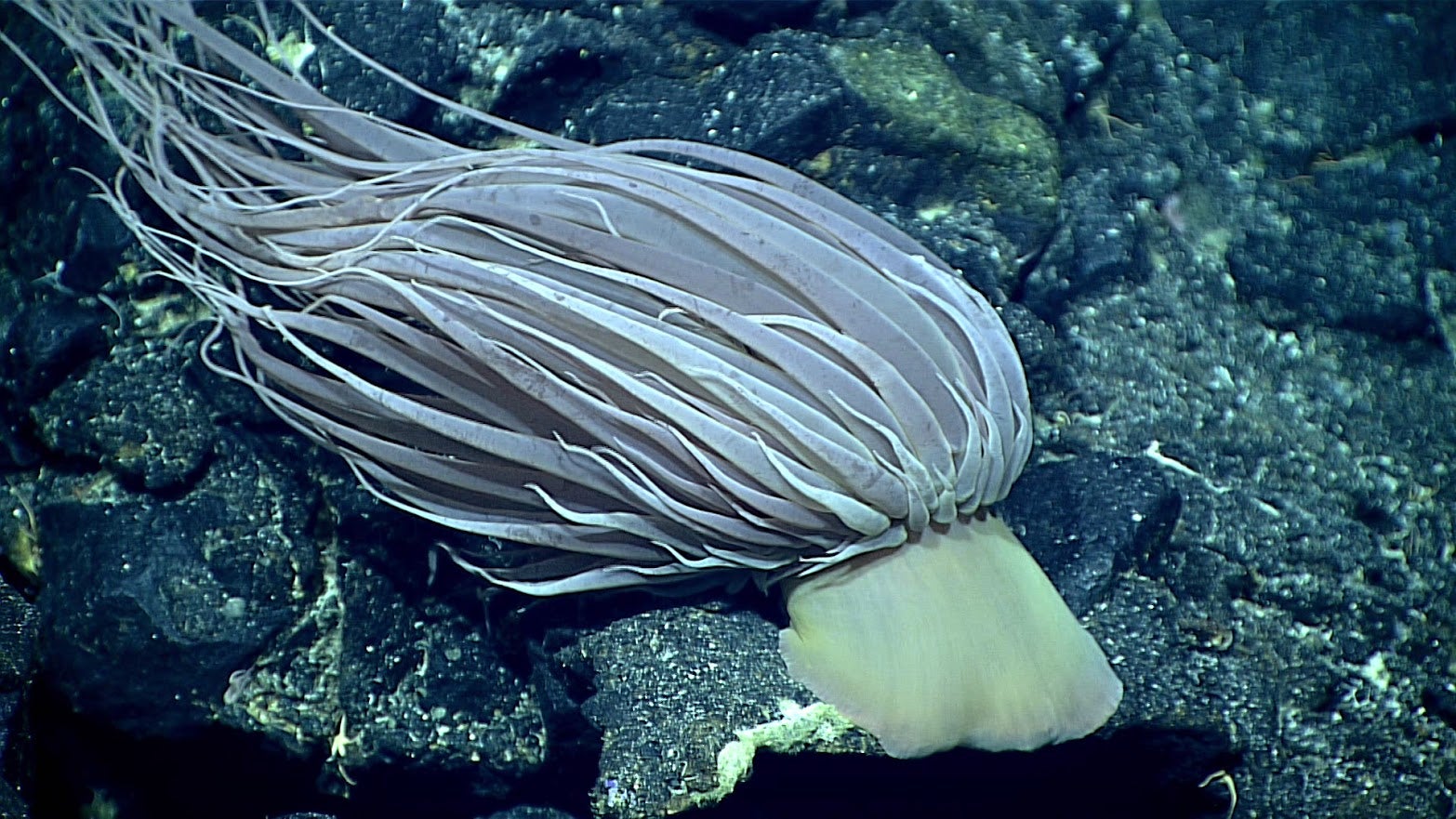
After more than two years of research, they’ve determined it’s not an extraterrestrial egg or sponge, but the relic of a giant, deep-sea anemone.
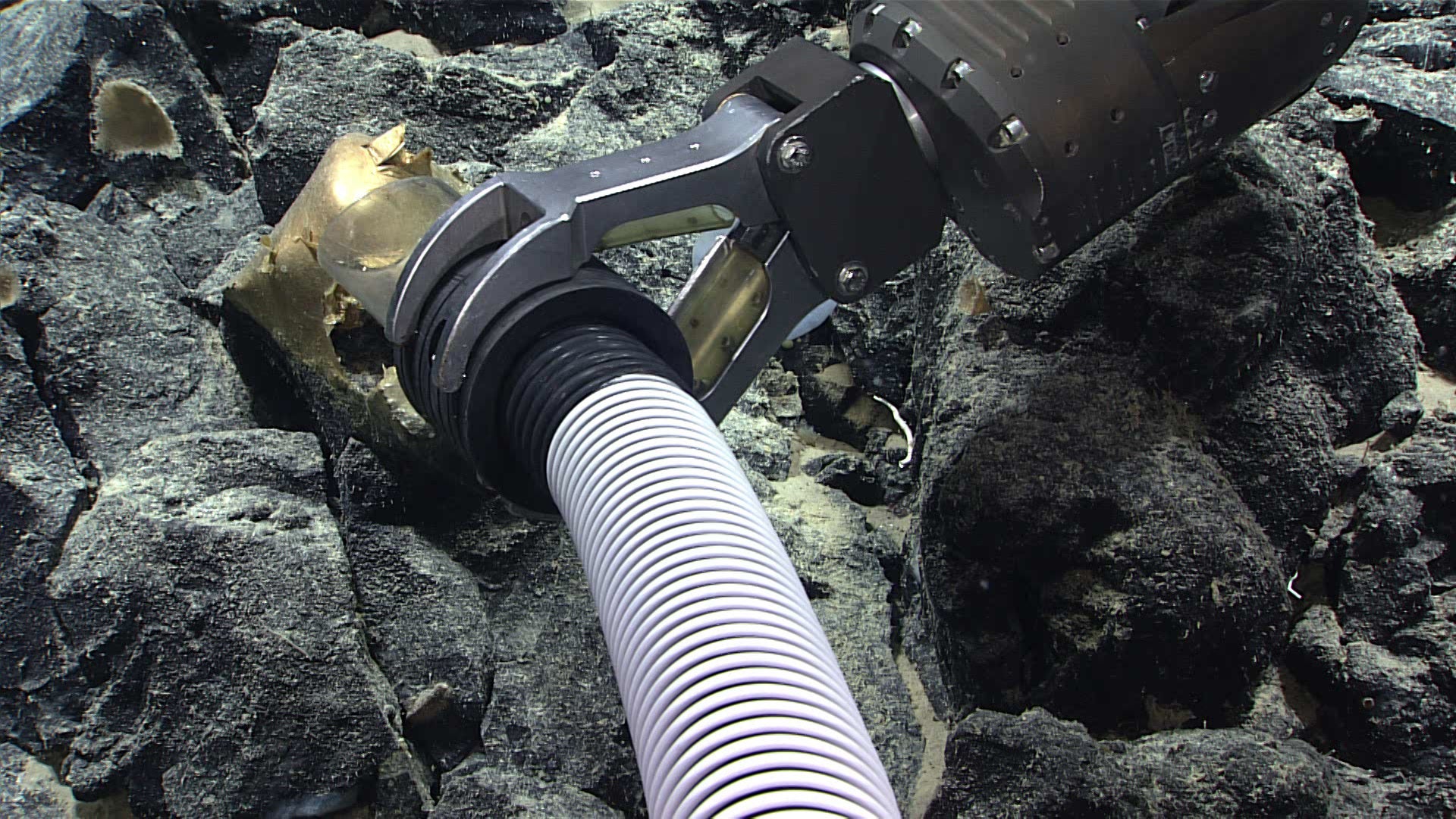
What the expedition found more than two miles below the surface waters of the Gulf of Alaska was the base of the species Relicanthus daphneae, the agency said Wednesday.
That gold-colored base is usually hidden underneath the animal, but this one was left behind.
“What happened to the top of the anemone? It could have died or moved to a new home. We might never know for sure,” NOAA said in a new video detailing the findings.
Initial consternation
The scientists used the remotely operated vehicle Deep Discoverer to find the relic.
The discovery, while only four inches wide, was tightly stuck on a rock. A small hole revealed its interior.
The orb was collected using the vehicle’s suction tool and then taken to a lab at the Smithsonian National Museum of Natural History for further examination and study.
Scientists with NOAA Fisheries and the museum analyzed the orb’s physical structure and DNA. But it took longer than they expected.
“We work on hundreds of different samples and I suspected that our routine processes would clarify the mystery,” zoologist Dr. Allen Collins, who is the director of NOAA Fisheries’ National Systematics Laboratory in the museum, explained.
“But this turned into a special case that required focused efforts and expertise of several different individuals. This was a complex mystery that required morphological, genetic, deep-sea and bioinformatics expertise to solve,” he said.
Solid science behind the invertebrate
An initial examination of the orb found it lacked typical animal anatomy, but was a fibrous material with a layered surface packed with sting cells. The cells are a feature of corals or anemones and there were similar cells on a specimen collected in 2021.
And the cells were later identified as spirocysts, which are limited to one group of the invertebrates known as Hexacorallia.
But attempts to match the DNA from the orb – the genetic material – to a fragment of other DNA was inconclusive, NOAA said, likely because the orb had picked up DNA from other microscopic life.
The key was whole-genome sequencing, which is a multi-step science that relies on a special machine and computer and is often used to identify puzzling illnesses.
Whole-genome sequencing confirmed that the DNA was animal and further testing showed DNA molecules of the researchers’ specimens were “genetically almost identical to a known Relicanthus daphneae reference genome.”
“So often in deep ocean exploration, we find these captivating mysteries, like the ‘golden orb’. With advanced techniques like DNA sequencing, we are able to solve more and more of them," said Captain William Mowitt, acting director of NOAA Ocean Exploration.
“This is why we keep exploring — to unlock the secrets of the deep and better understand how the ocean and its resources can drive economic growth, strengthen our national security, and sustain our planet,” he said.
Collins is set to discuss the discovery further at an online event on Thursday, April 30 at 4 p.m. EDT.
Science finds surprising link between your marital status and risk of cancer
This is how to detox your brain and reverse 10 years of social media damage
Japan’s invasive toads are rapidly getting bigger and scientists don’t know why
Monkeys in Gibraltar find way to keep eating junk food without the upset stomach
Scientists created a fictional disease – then AI told people it was real
Trees being destroyed by disease could be saved by breakthrough discovery