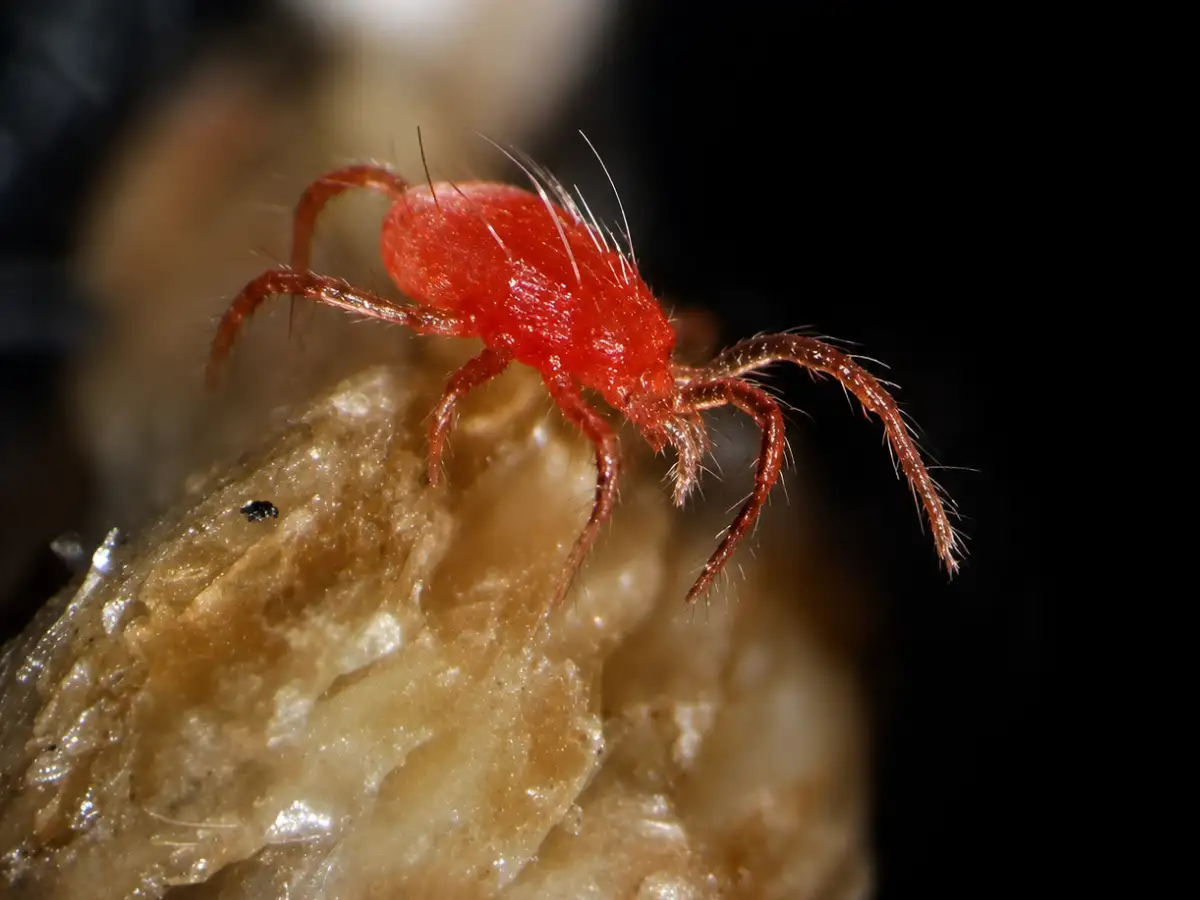
Researchers at Arturo Prat University in Iquique, Chile, led by Dr. Víctor Tello, discovered a population of the predatory mite Phytoseiulus persimilis in farmland in Chile’s Tarapacá region, according to Diario El Longino. That discovery has resulted in a scientific paper, ‘First record of Phytoseiulus persimilis in the Tarapacá Region, Chile,’ now in peer review. The story behind it could matter to American growers just as much as it does to Chilean ones.
Meet the bug that farmers already rely on
Phytoseiulus persimilis is not a household name, but many farmers know it. According to Diario El Longino, this predator specialises in the hunting of red spider mites, such as the desert red spider mite that damages alfalfa and melon crops and the two-spotted spider mite that causes major crop losses in vegetables and fruit around the world. Instead of spraying chemicals, growers release these predators into a field or greenhouse, where they hunt down the pests without touching the plants themselves.
According to Cornell University’s NYSIPM program, this species is already one of the most widely used biological control agents in the world. In fact, it has even been found establishing itself naturally in parts of the southeastern United States, in areas where it hadn’t been recently released. It’s a tool that American greenhouse and produce growers already depend on to reduce pesticide use.