Scientists have discovered up to nine different types of plastic in the faeces of every person who took part in a Europe-wide study.
On average, researchers found 20 microplastic particles in every 10 grams of stool, suggesting humans are swallowing them in food.
Particles between 50 and 500 micrometres across were found, the most common being polypropylene (PP) and polyethylene terephthalate (PET).
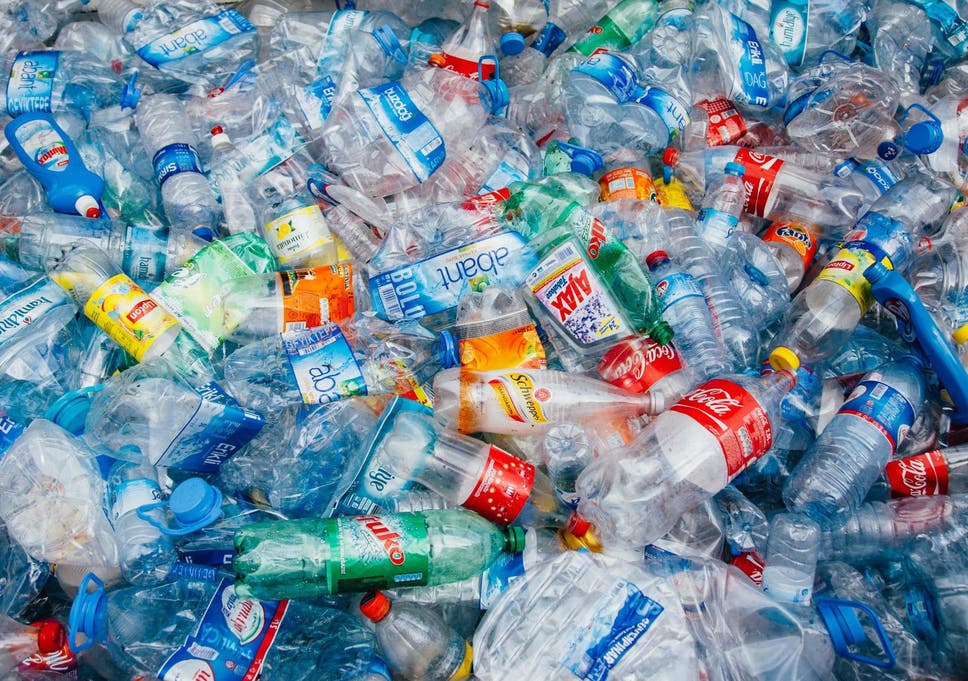
Diaries kept by each participant in the week before the stool tests showed that they were all exposed to plastic by consuming plastic-wrapped food or drinking from plastic bottles.
Plastic in the gut could suppress the immune system and aid transmission of toxins and harmful bugs or viruses, experts believe.
Lead researcher Dr Philipp Schwabi, from the Medical University of Vienna in Austria, said: "Of particular concern is what this means to us, and especially patients with gastrointestinal diseases.
"While the highest plastic concentrations in animal studies have been found in the gut, the smallest microplastic particles are capable of entering the blood stream, lymphatic system and may even reach the liver.
"Now that we have first evidence for microplastics inside humans, we need further research to understand what this means for human health."
The pilot study recruited eight participants from the UK, Finland, Italy, the Netherlands, Poland, Russia and Austria. None were vegetarians, and six ate sea fish.
It is estimated up to 5 per cent of all plastics produced end up in the sea.
Once in the oceans, plastics are consumed by sea animals and move up the food chain. Significant amounts of plastic have been detected in tuna, lobster and shrimp.
Food is also likely to be contaminated with plastic as a result of processing or packaging, say the researchers whose findings were presented at UEG Week, the largest meeting of gastroenetrology experts in Europe.
Environmental expert professor Alistair Boxall, from the University of York, said: "I'm not at all surprised or particularly worried by these findings. Microplastics have been found in tap water, bottled water, fish and mussel tissue and even in beer.
"We will also be exposed to particles from house dust, food packaging materials and the use of plastic bottles. It's therefore inevitable that at least some of these things will get into our lungs and digestive systems."
Additional reporting by PA