Scientists may have solved one of paleontology's enduring mysteries - the evolutionary origins of the flying reptiles called pterosaurs that ruled the skies at the same time that dinosaurs dominated the land.
Researchers said on Wednesday a poorly understood Triassic Period reptile group called lagerpetids, known from a few partial skeletons from the United States, Argentina, Brazil and Madagascar, appears to have been the evolutionary precursor to pterosaurs.
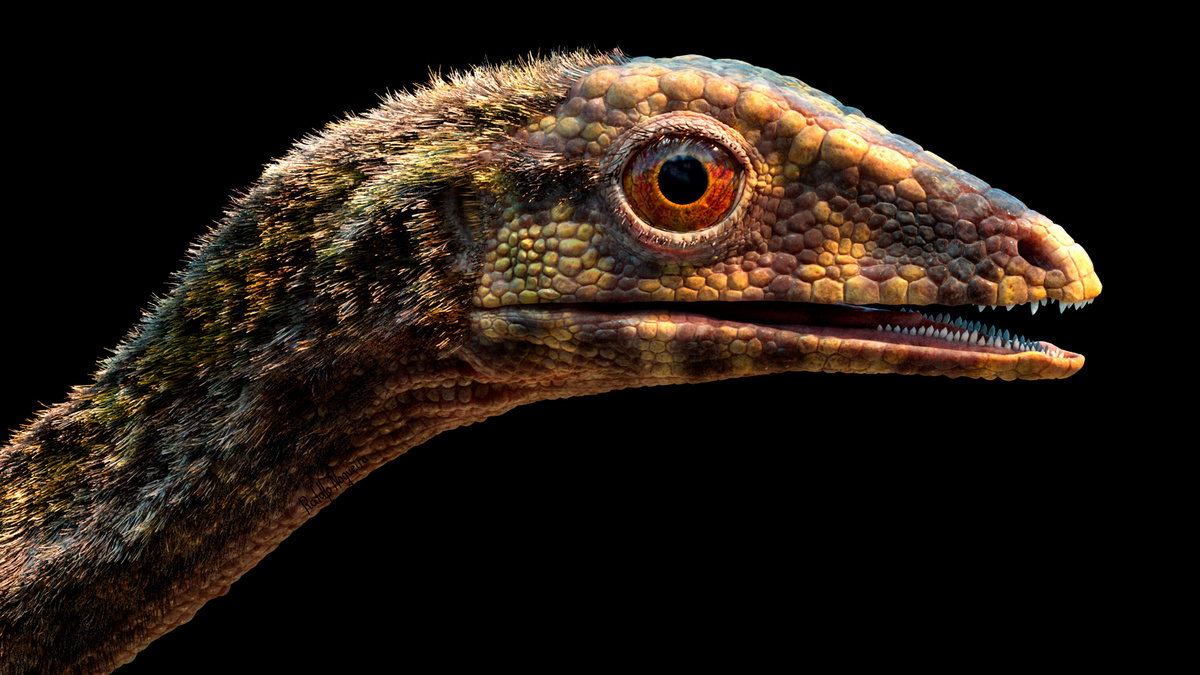
Lagerpetids, first appearing about 237 million years ago, were generally small and may have been bipedal insect-eaters. They could not fly. Pterosaurs became Earth's first flying vertebrates, with birds and then bats appearing much later.
"The origin of pterosaurs has been one of the most enigmatic issues of paleontology since the first discovery of pterosaurs in the late 18th century," said paleontologist Martin Ezcurra of the Argentine Museum of Natural Sciences in Buenos Aires, lead author of the study published in the journal Nature.
The oldest-known pterosaurs appear in the fossil record about 220 million years ago, with anatomies fully developed for flight including wings formed by a membrane extending from the ankles to an exceptionally elongated fourth finger.
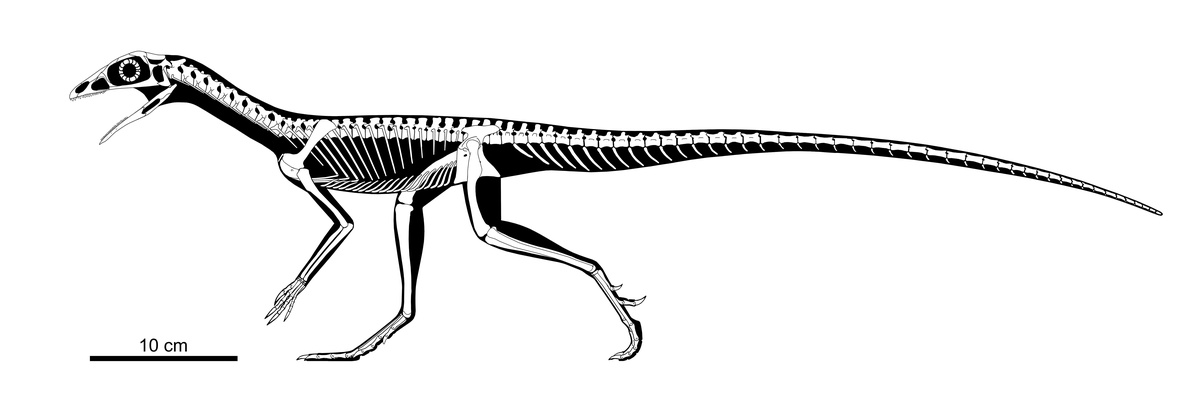
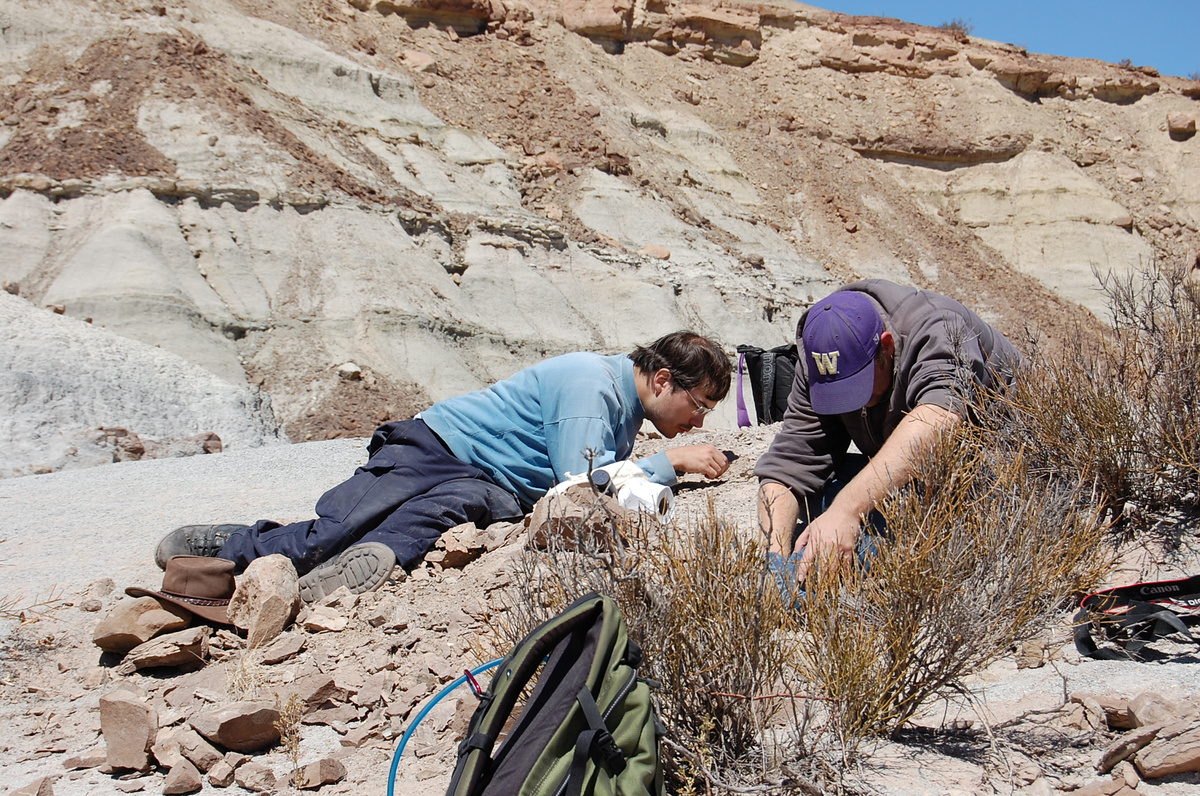
Studying previously discovered and newly unearthed fossils using sophisticated scanning technology and three-dimensional modeling, the researchers identified at least 33 skeletal traits suggesting an evolutionary link between lagerpetids and pterosaurs. These included the shape of the inner ear, braincase and teeth, as well as similarities in hand, leg, ankle and pelvic bones.
"We show that lagerpetids are the closest-known relatives to pterosaurs and bridge the anatomical gap between pterosaurs and other reptiles," Ezcurra added.
Lagerpetids also appear to be closely related to dinosaurs, the researchers said. The oldest-known dinosaur dates to about 233 million years ago. Pterosaurs disappeared 66 million years ago in the asteroid collision that also doomed the dinosaurs.
While starting relatively small, pterosaurs eventually achieved huge dimensions, with wingspans reaching 35 feet (10.7 meters).
"We have been studying how birds transformed their bodies for flight for the last 50 years and most of this was driven by extraordinary fossils of dinosaurs and early birds," Virginia Tech paleontologist and study co-author Sterling Nesbitt said. "Pterosaurs have not experienced this renaissance of understanding yet because we didn't have the fossils."
(Reporting by Will Dunham; Editing by Sandra Maler)