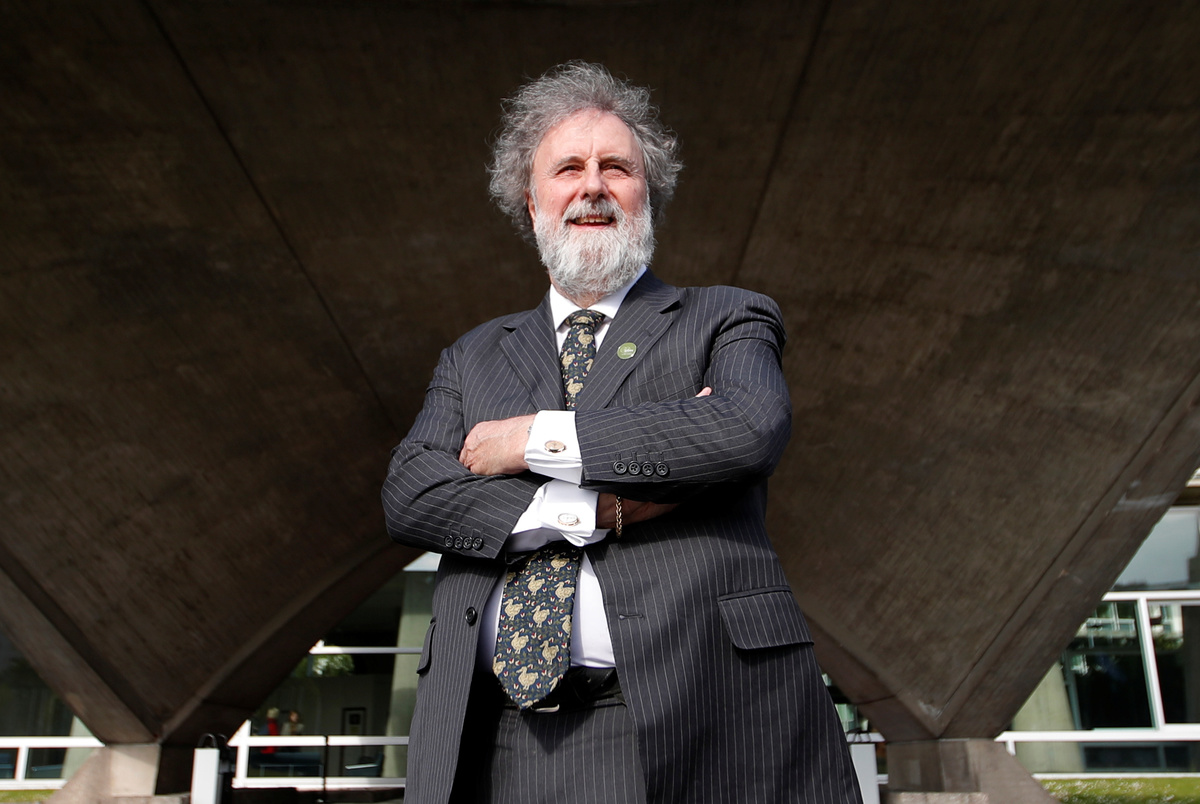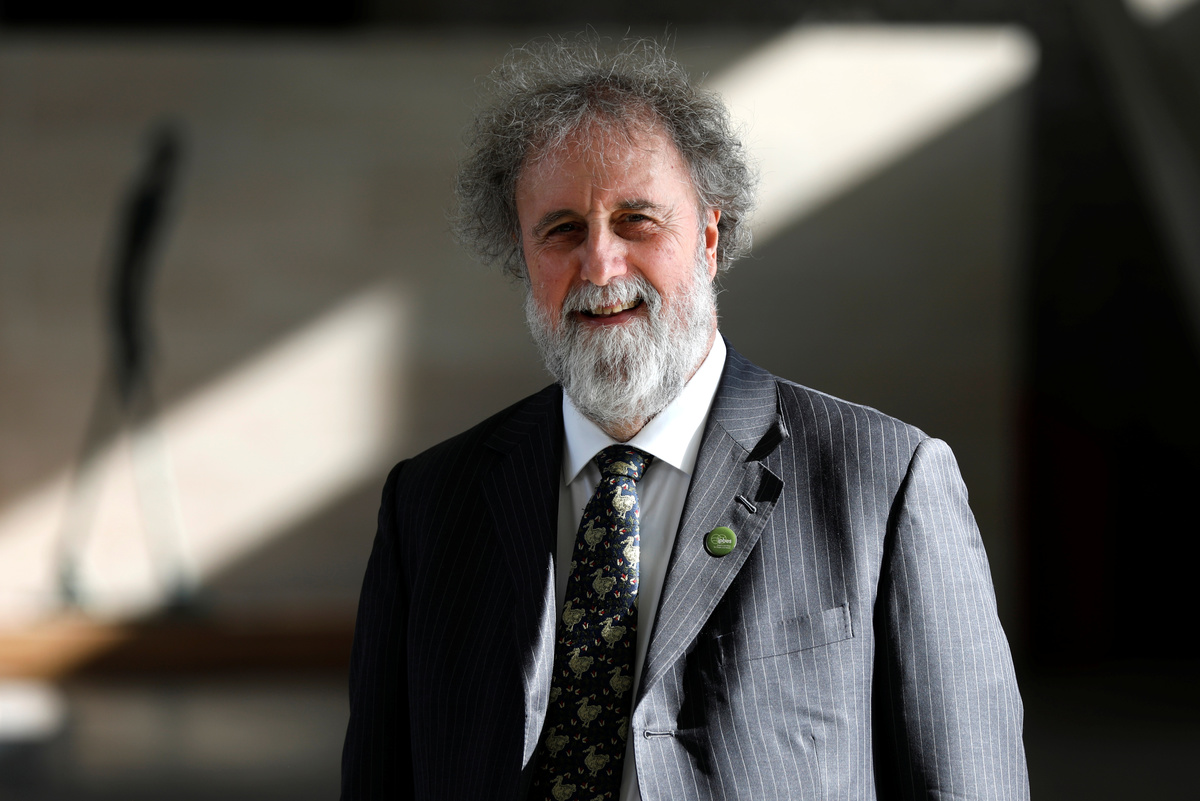
LONDON (Reuters) - Robert Watson chose his favorite accessories to deliver the scientific community’s starkest warning yet over the accelerating demise of Earth's life support systems: a tie with a dodo pattern, and cufflinks engraved with designs of tiny watches.
A leading figure in the network of international experts who assess the twin threats posed by climate change and species loss, Watson uses the symbols to remind audiences that there is no special reason why human beings should not share the fate of the flightless bird, declared extinct at the end of the 17th century.
But the British environmental scientist is not always so subtle.
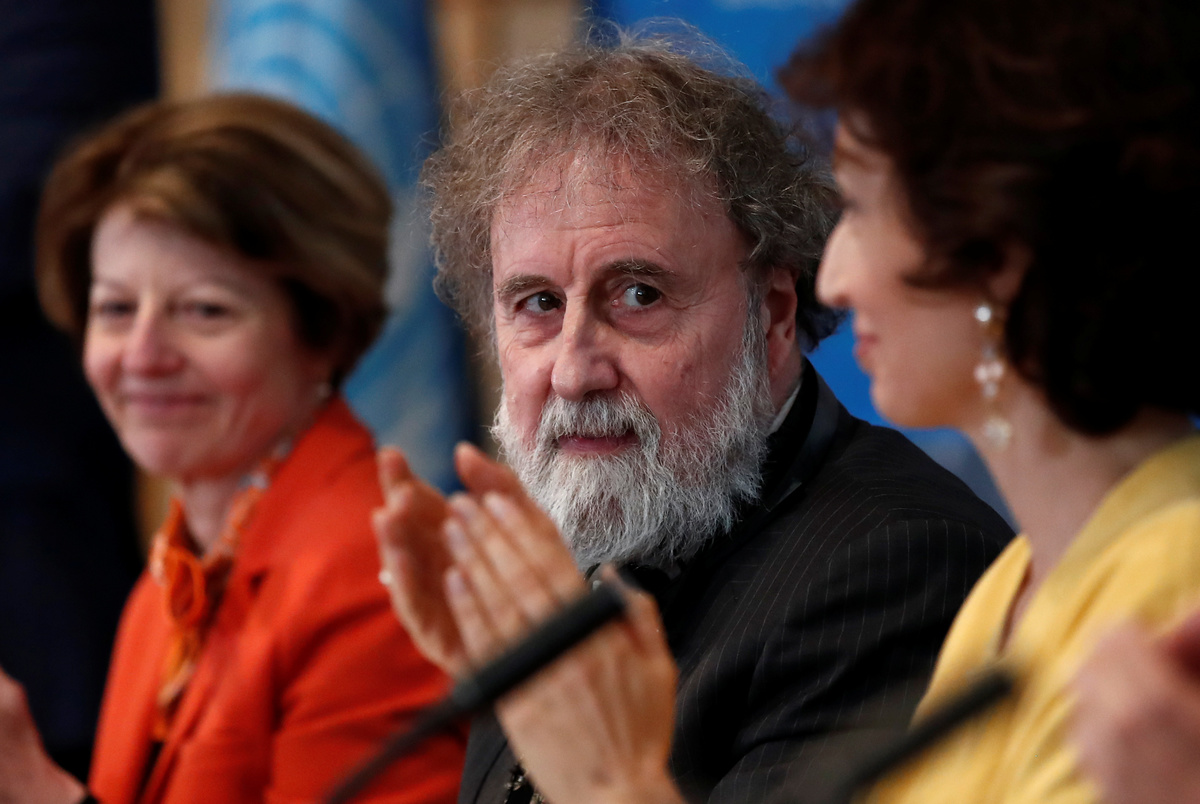
Hours before the launch in Paris on Monday of the largest scientific effort to document the spiraling worldwide loss of plants and animals, Watson urged governments to cut hundreds of billions of dollars of annual subsidies to companies in the farming, mining, fishing and fossil fuel sectors, whose operations are driving the extinction crisis.
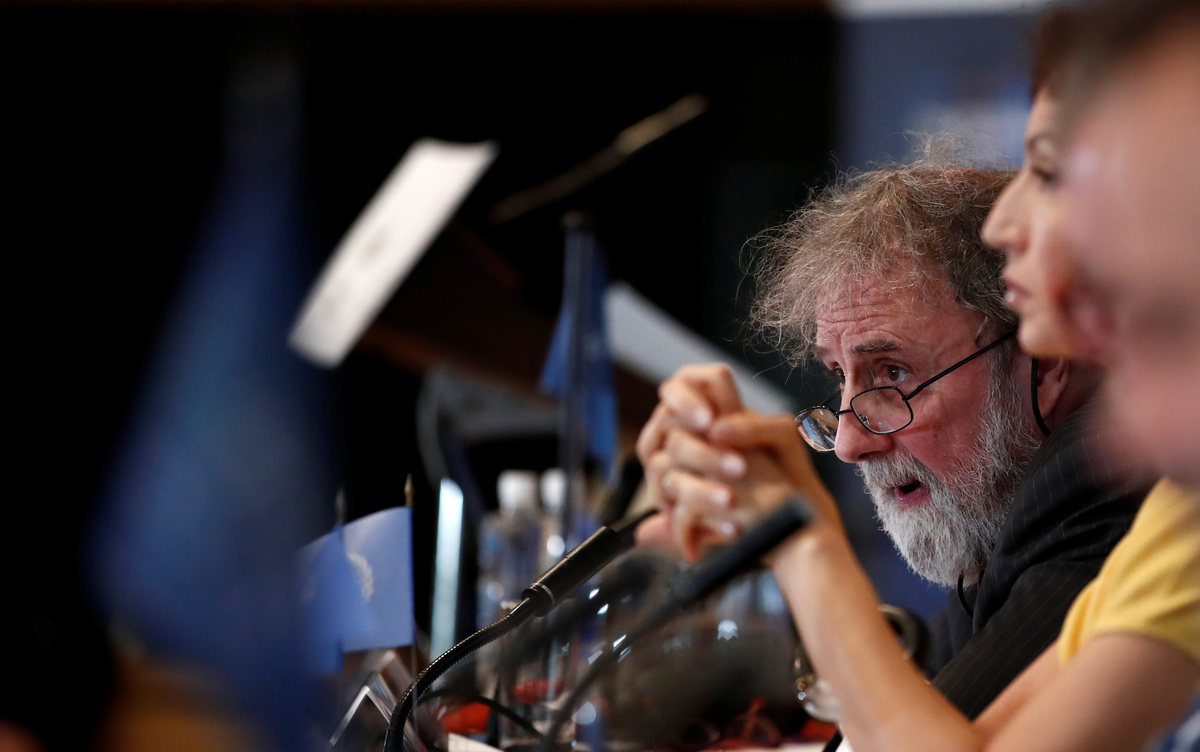
"We need to reduce and eliminate harmful subsidies," said Watson, who served as chair of the Intergovernmental Panel on Biodiversity and Ecosystem Services (IPBES), a 130-nation scientific body, as it produced the report.
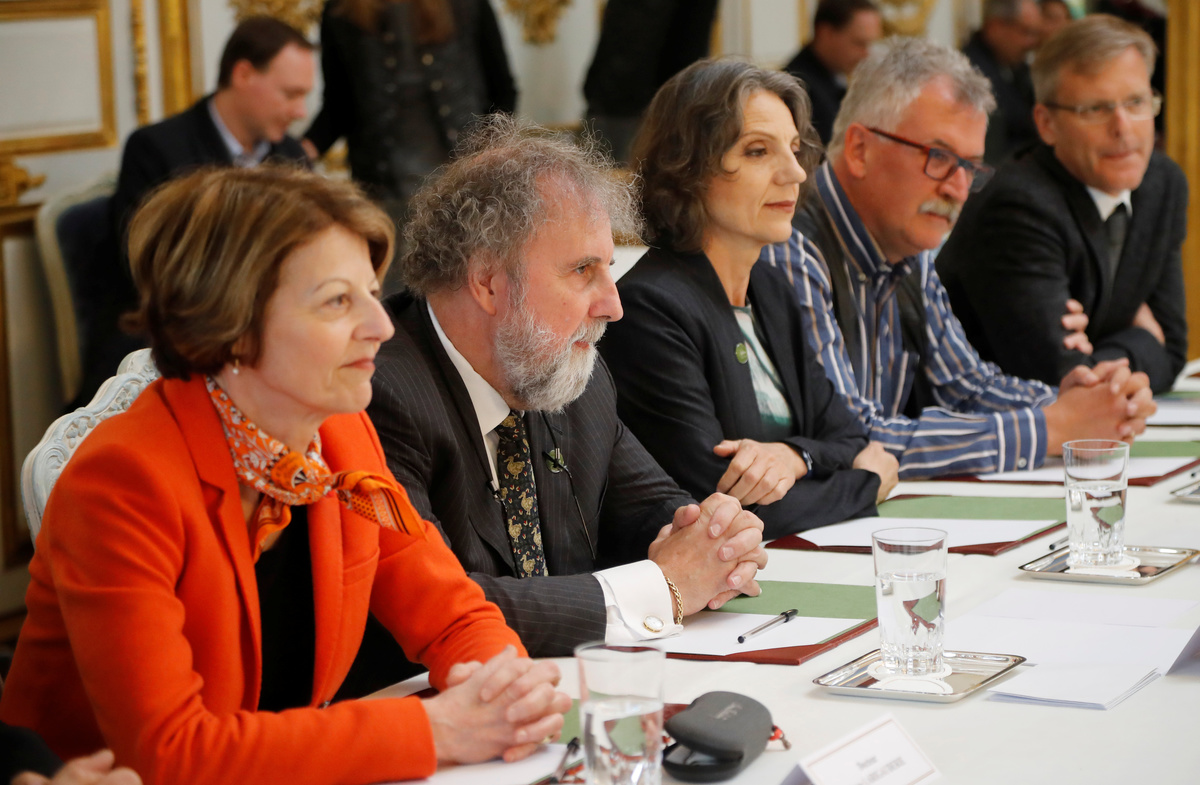
"We really have to think about what is the economic system that will be much more sustainable in the future."
The report found that global subsidies of $345 billion for fossil fuels resulted in $5 trillion in overall costs, when damage to the natural world is taken into account.
Most of the world's tens of billions of fishing subsidies contributed to increasing or maintaining fishing fleets driving the steady destruction of fish stocks, the report found.
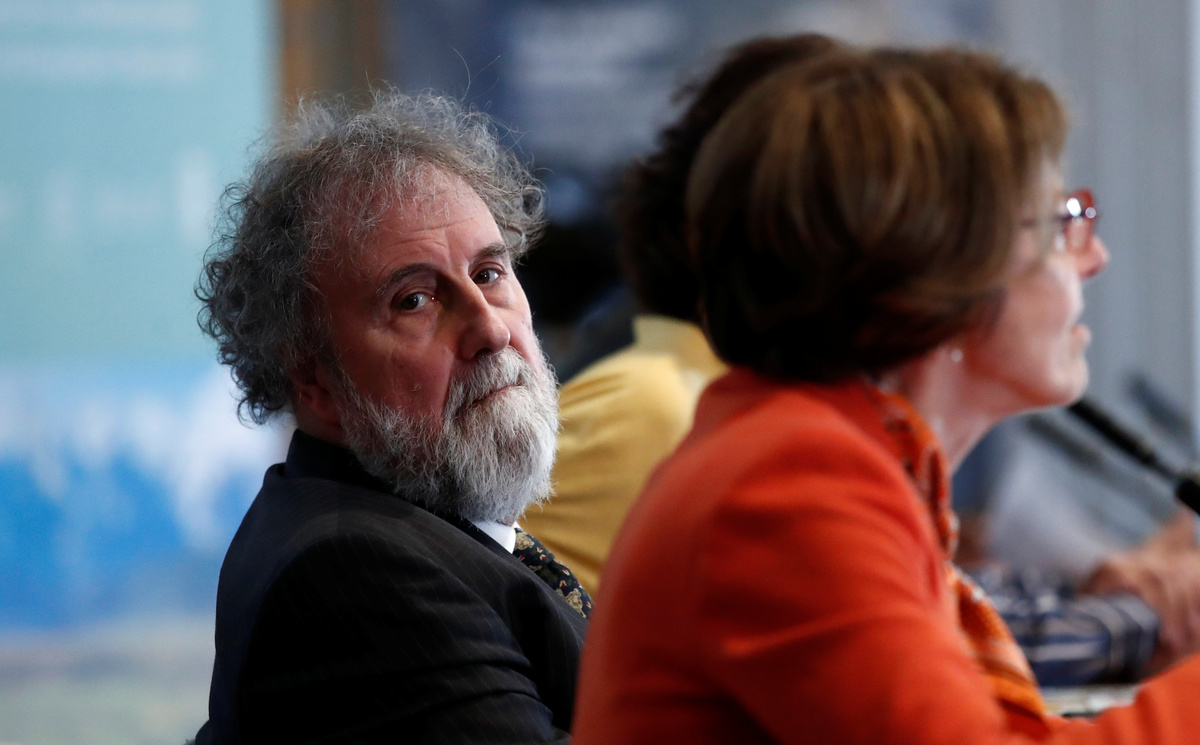
The reports' 145 expert authors urged governments to use money saved by cutting subsidies for habitat-razing industrial farming to incentivize agricultural techniques that could regenerate local ecosystems.
This would help to both restore dwindling wildlife and sequester carbon emissions, the report found.
While scientists have often instinctively sought to confine their public commentaries to their specialist areas of academic expertise, the looming prospect of a slow-motion, global environmental collapse has led many to push for tougher declarations in international forums.
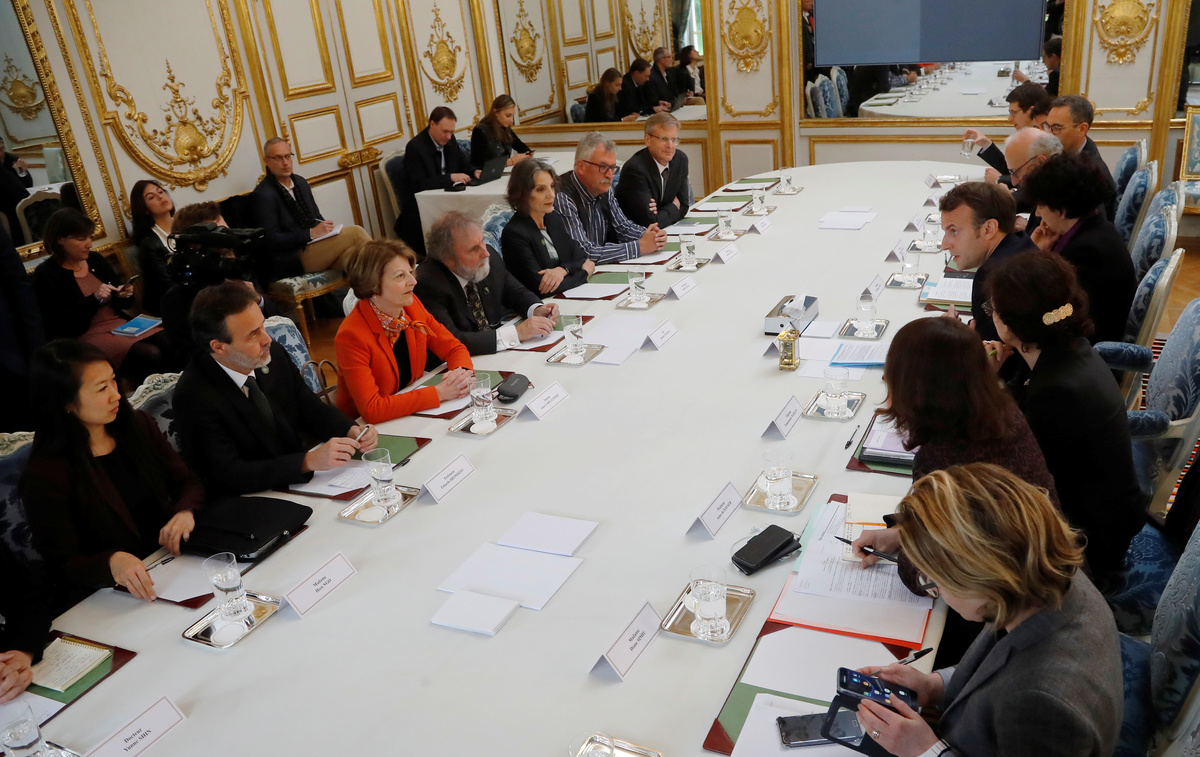
In Paris, there was wrangling among delegates from more than 100 countries who attended the negotiations over the proposed inclusion of the phrase "vested interests" – a reference to the sectors Watson wants to see weaned off government support.
While some countries resisted the phrase, the eventual inclusion of "vested interests" in the final draft was at least a symbolic victory for Watson and other scientists who hope their research will provide a mandate to politicians to withdraw state support from companies responsible for causing the most pollution and wildlife deaths.
"There are a lot of people making a lot of money from these subsidies," Watson acknowledged. "They will not be happy if the governments of the world decide to take these subsidies away."
(Additional reporting by Gus Trompiz in Paris, Editing by William Maclean)