Science in 2013 – brains, burgers and popcorn – in pictures
Just after sunrise on 15 February, a lump of space rock tore through the sky over Chelyabinsk in south-west RussiaPhotograph: REX/Rex FeaturesNobody was killed, but the blast injured more than 1,200 people. Many had cuts from flying glass. Others suffered retinal burns from watching the fireball, or burns to their skinPhotograph: ZUMA/REX/ZUMA/REXThe damage was slight because the 20-metre-wide rock exploded so high in the atmosphere, more than 20km above the ground, but it demonstrated that a meteorite of this size can hit the Earth at any time without warning Photograph: AFP/AFP
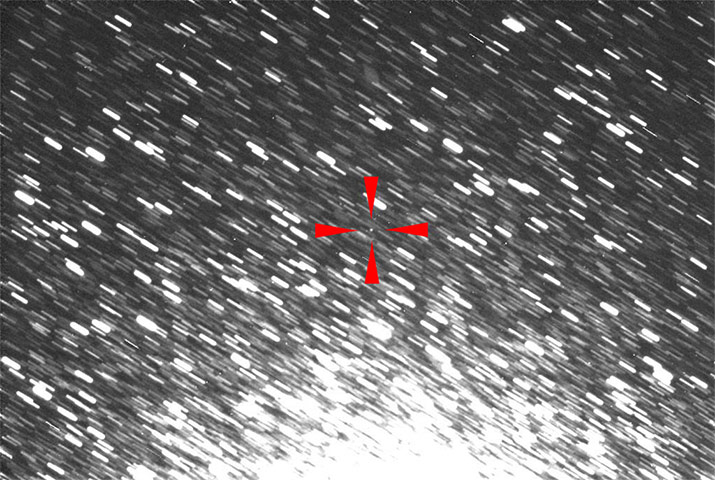
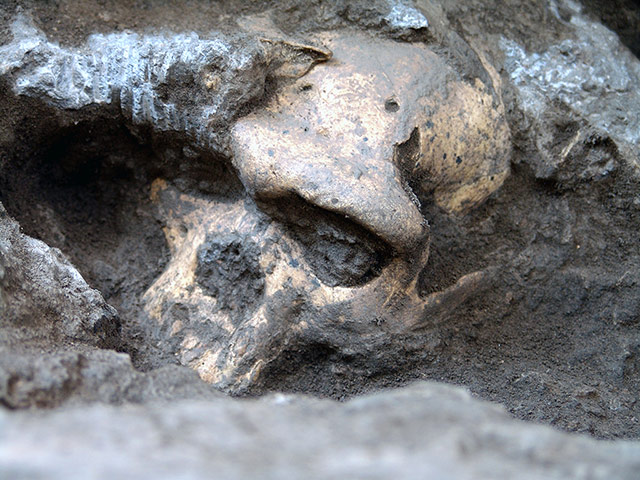
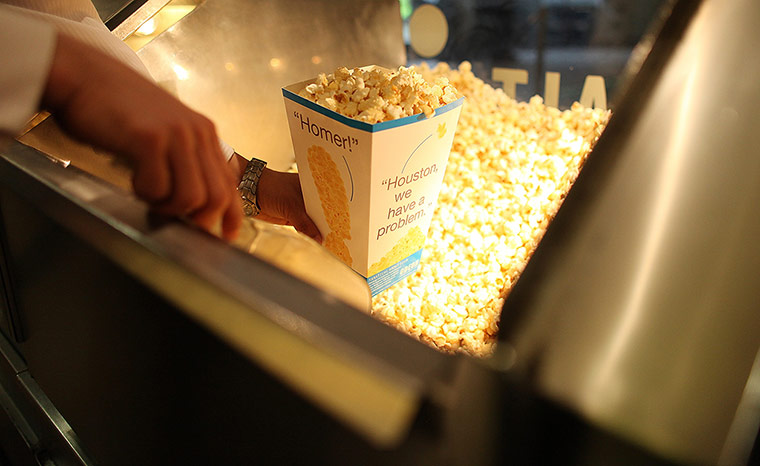
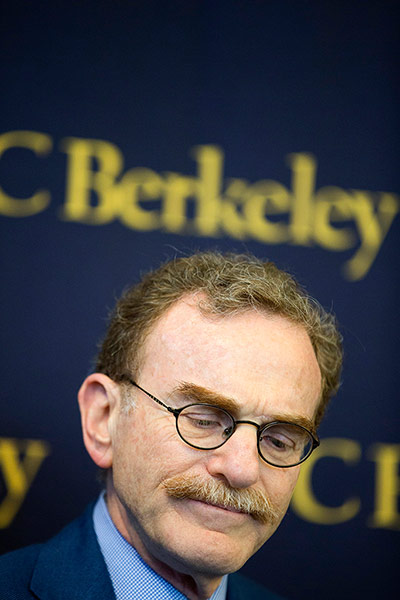
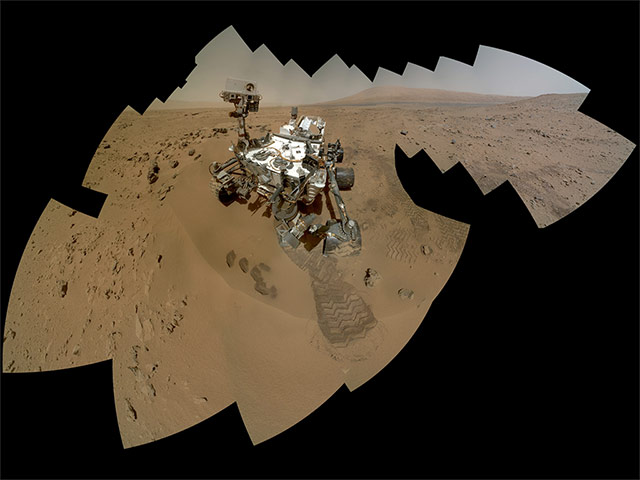
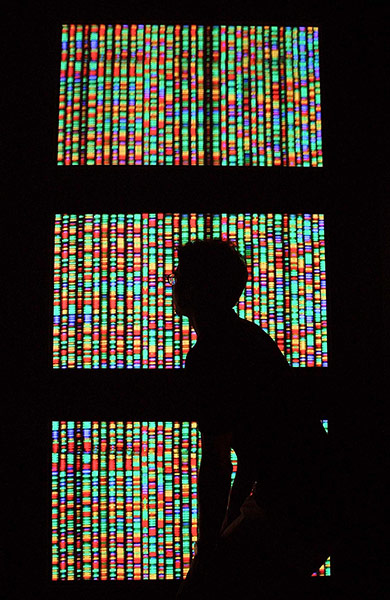
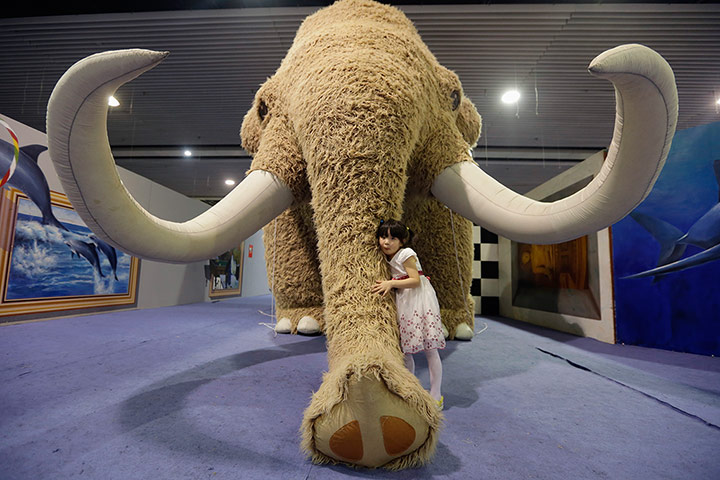
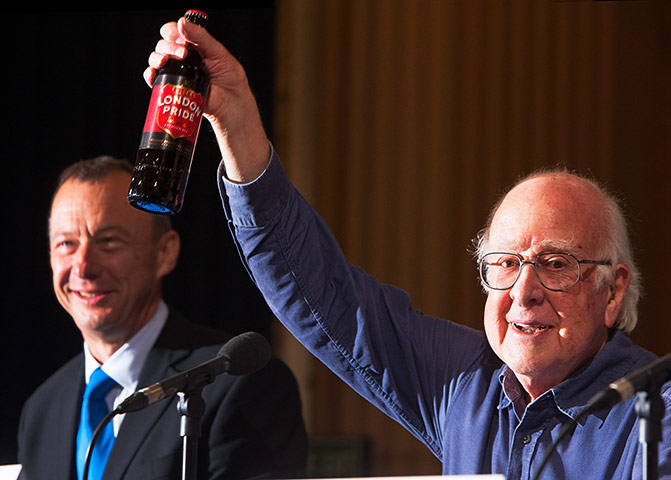
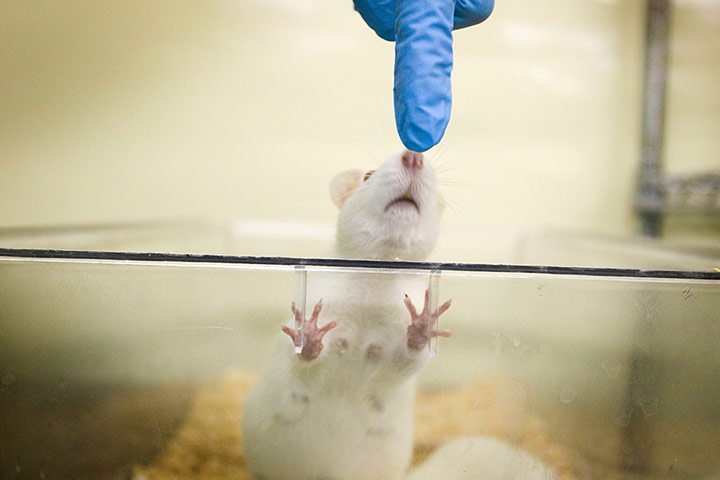
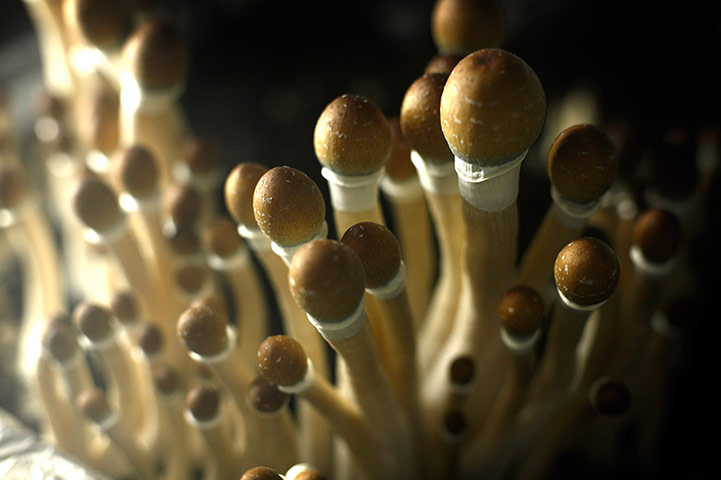
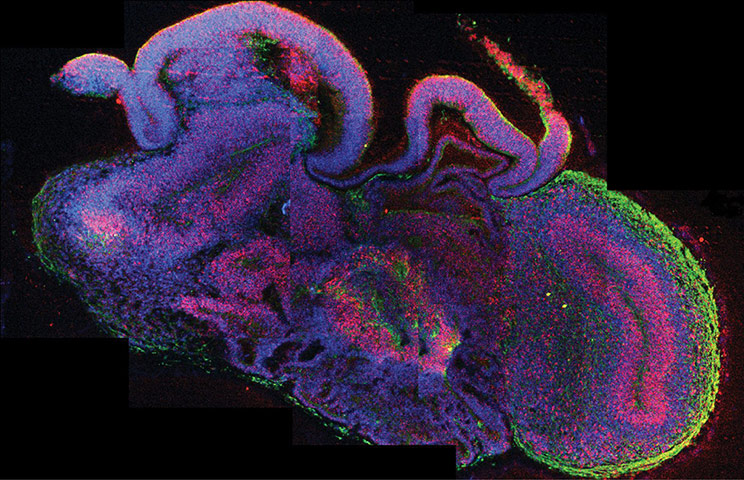
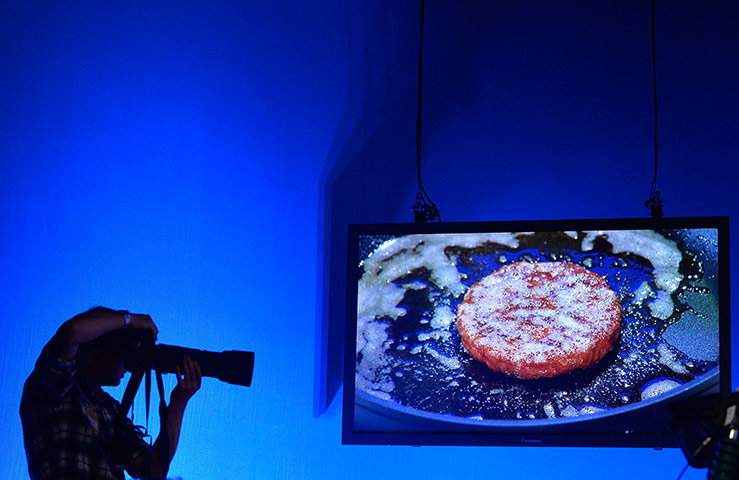
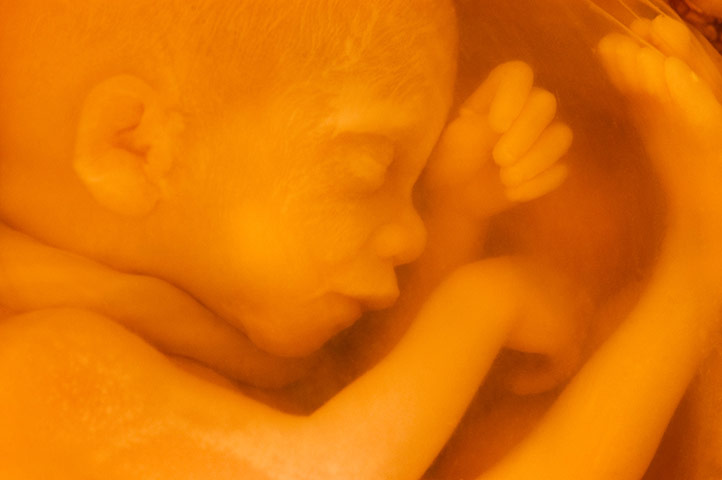
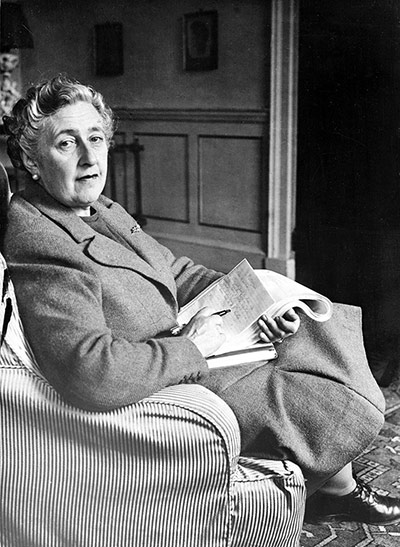
On the same day, an asteroid called 2012 DA14 came within 17,100 miles of the Earth – closer than many orbiting artificial satellites – setting the record for the closest pass of any known asteroid since systematic surveys of the sky began in the mid-1990s. There was no danger of collision, but the coincident arrival of the Chelyabinsk meteorite served as a poignant warning of future dangers Photograph: Courtesy D. Herald of Murrumbateman/NASAThe spectacular fossilised skull of an ancient human ancestor who died nearly two million years ago forced scientists to rethink the story of early human evolutionPhotograph: Courtesy of Georgian National MuseumResearchers discovered that chewing popcorn makes cinema-goers immune to advertisingPhotograph: Simon Dawson/BloombergResearchers studying calcified plaque on Neanderthal teeth found in El Sidrón Cave, Spain, concluded that fragments of plant matter indicated that our evolutionary cousins ate a sophisticated diet of vegetables and medicinal herbs. Scientists at the Natural History Museum in London, however, proposed an alternative, less palatable theory – that Neanderthals may simply have enjoyed feasting on the stomach contents of the creatures they huntedPhotograph: CSIC Comunicación/York UniversityOne of this year's science Nobel prizewinners, the US biologist Randy Schekman, declared that leading academic journals such as Nature, Cell and Science distort the scientific process and represent a 'tyranny' that must be broken. He said his lab would boycott these 'luxury' journalsPhotograph: Stephen Lam/ReutersA team of scientists (writing in the journal Nature) announced that they had corrected the genetic fault that causes Down's syndrome. The researchers only managed the feat in isolated cells – not people – but they said it was the first major step towards a 'chromosome therapy' for the conditionPhotograph: Daniel Mihailescu/AFP/Getty ImagesNasa's Curiosity rover found water on MarsPhotograph: MSSS/JPL-Caltech/NASAThe first IVF baby to be screened using a procedure that can read every letter of the human genome was born in the USPhotograph: Mario Tama/Getty ImagesIan Wilmut, the Edinburgh scientist who created Dolly the cloned sheep, described how cells plucked from the frozen carcasses of woolly mammoths might one day be used to resurrect the ancient beastsPhotograph: Darley Shen/ReutersAnother Edinburgh scientist, Peter Higgs, shared the Nobel Prize in Physics for postulating the existence of a particle that gives mass to all the others. He revealed that he escaped to a pub for a quiet lunch while the announcement was being made. Flying home from Cern in Switzerland, after the announcement of the discovery of the Higgs boson in 2012, he is said to have turned down a celebratory glass of Prosecco in favour of a bottle of London PridePhotograph: Murdo MacLeod/Murdo MacLeodStephen Hawking declared that physics would have been 'more interesting' if the Higgs boson hadn't been foundPhotograph: Andrew Cowie/AFP/Getty ImagesAcross the world's great deserts, a mysterious sheen has been found on boulders and rock faces. The author David Toomey wrote that we may share our planet with another domain of life that exists 'like the realm of fairies and elves just beyond the hedgerow'Photograph: Ruaridh Stewart/CorbisScientists implanted a false memory in the brains of micePhotograph: Luis Domingo/CorbisOverly restrictive rules are scuppering research to develop a drug for severe depression derived from a chemical in magic mushrooms, said Prof David Nutt, the former UK government drugs adviserPhotograph: Roger Cremers/BloombergRoll over Einstein: Eric Weinstein, an economist and consultant at a New York hedge fund, claimed to have solved some of the most intractable problems in physics – unifying quantum mechanics and Einstein's general theory of relativity in the processPhotograph: F. FERRARO/AFP/Getty ImagesMiniature brains were grown in test tubesPhotograph: IMBA/Madeline A. Lancaster/EPAThe world's first lab-grown hamburger was eaten in front of the world's pressPhotograph: Toby Melville/ReutersIt was discovered that newborn babies can remember melodies played to them while they were in the wombPhotograph: AlamyNeuroscientists conducted the first 'systematic survey of the magnitude of erotic sensations from various body parts'. Some of the results were surprisingPhotograph: DeAgostini/Getty ImagesWe learned the daily routines of history's most creative minds. Agatha Christie could get down to work almost anywhere. Other writers were not so fortunatePhotograph: -/AFP/Getty Images
Sign up to read this article
Read news from 100’s of titles, curated specifically for you.