Science in 2011: Triumphs, disasters and climaxes – in pictures
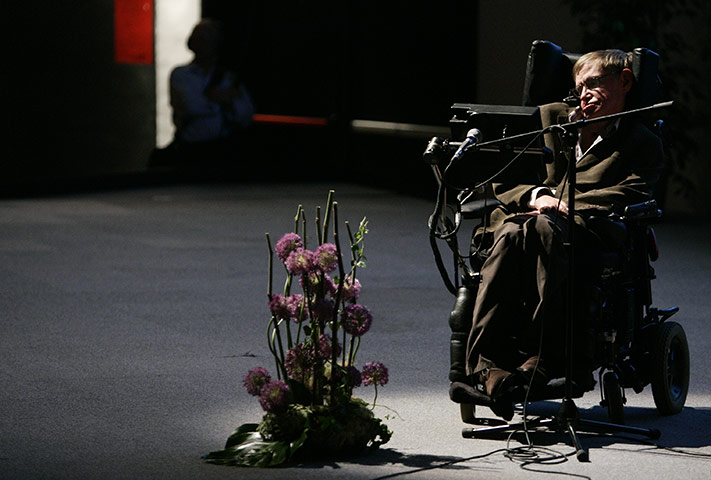
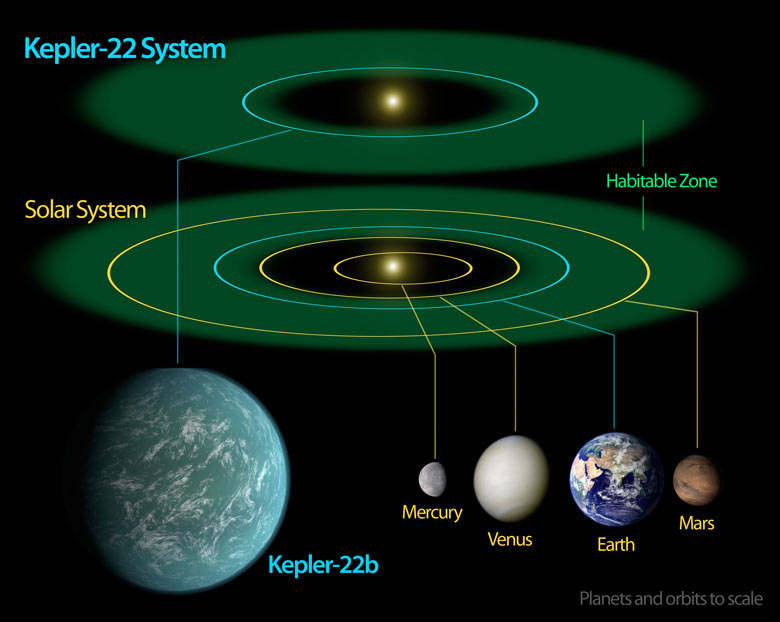
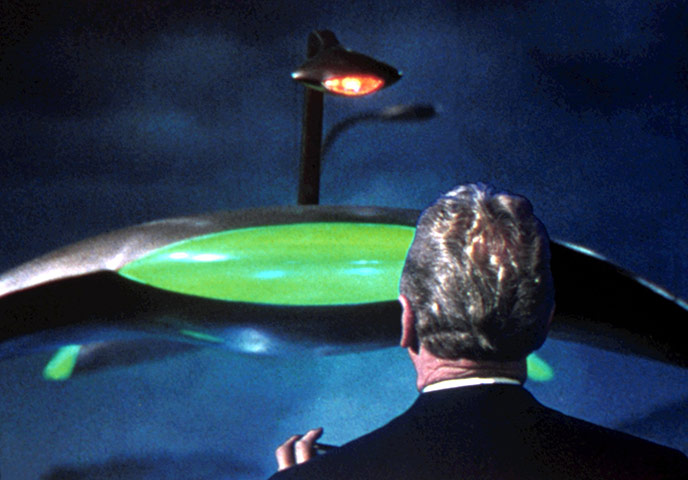
In an exclusive interview, British physicist Stephen Hawking told the Guardian heaven is a 'fairy story' for people afraid of deathPhotograph: Francois Lenoir/ReutersAstronomers discovered Kepler-22b – the first planet outside the solar system orbiting in the 'goldilocks' habitable zone around its star where life could potentially exist. The Solar System and Kepler-22 system are shown above for comparison, with their habitable zones shaded in green Photograph: R. Hurt (SSC)/NasaIt was a good year for alien watchers. Russian scientists said they expected humanity to encounter an extraterrestrial civilisation within the next 20 years, and world governments were advised to draw up an action plan for first contact. More worryingly, it was suggested that aliens monitoring humanity from afar may decide to destroy Earth to protect other civilisationsPhotograph: Everett Collection /Rex Features
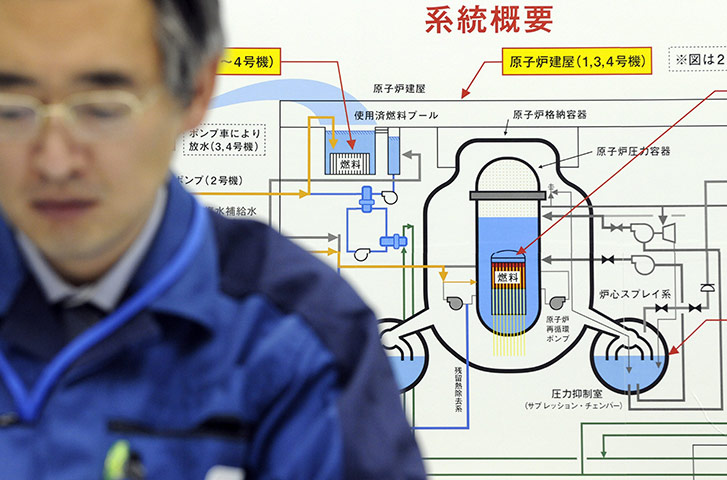
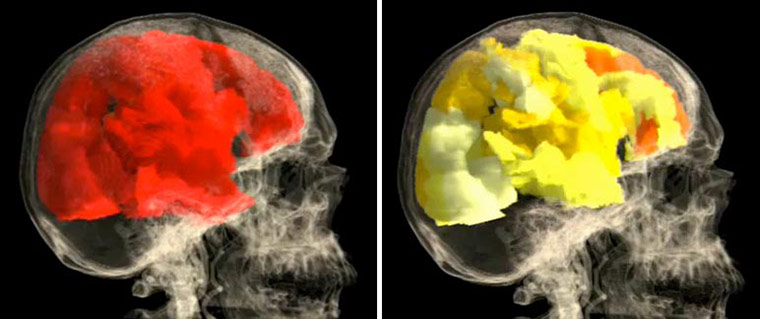
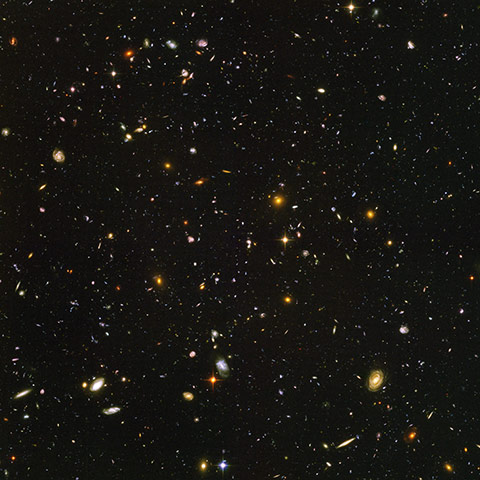
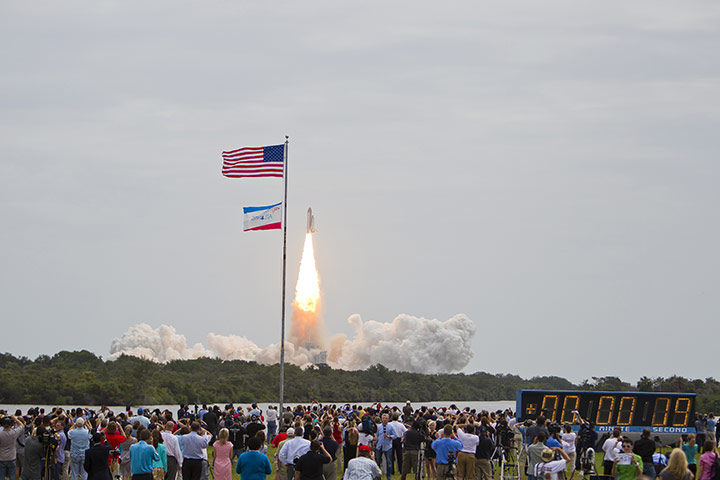
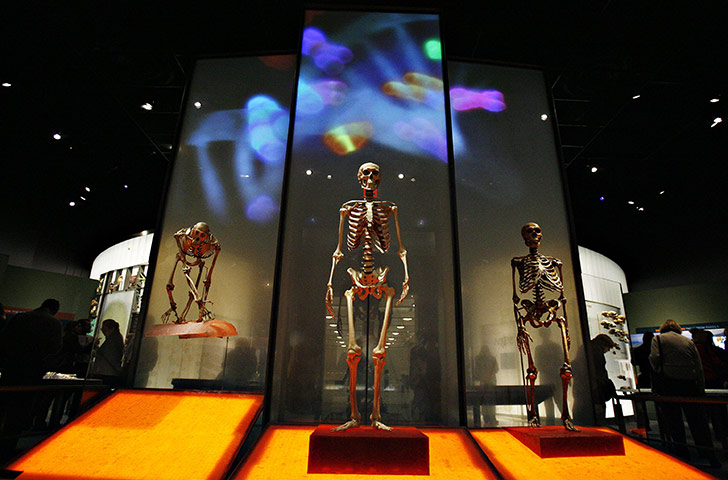
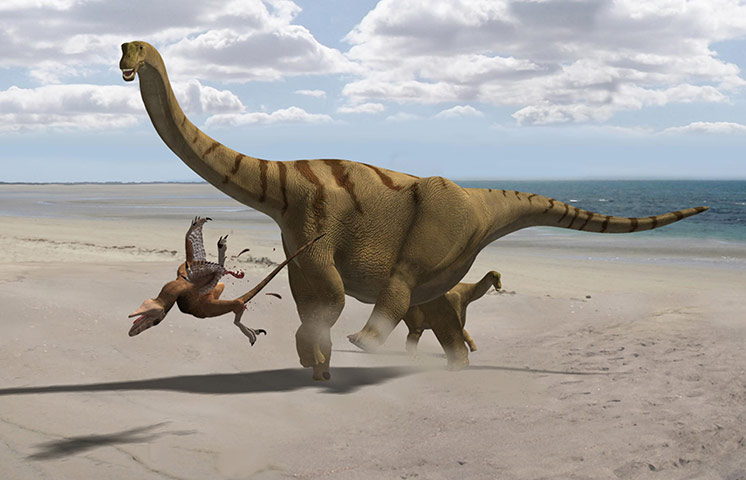
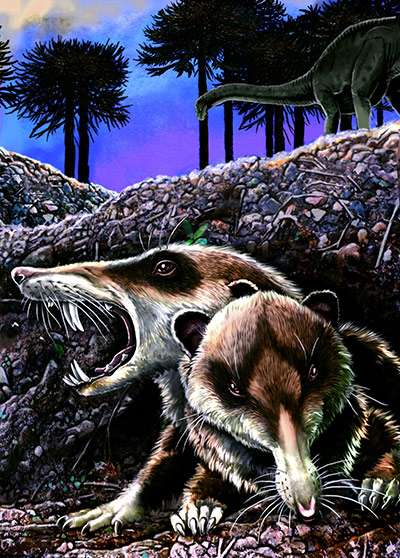
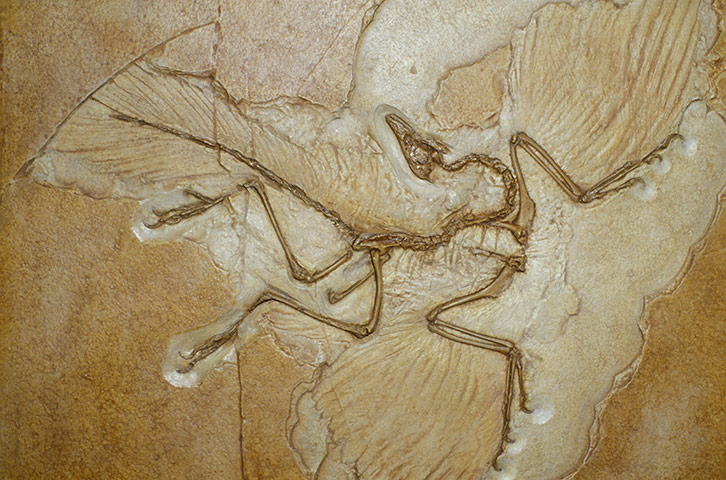
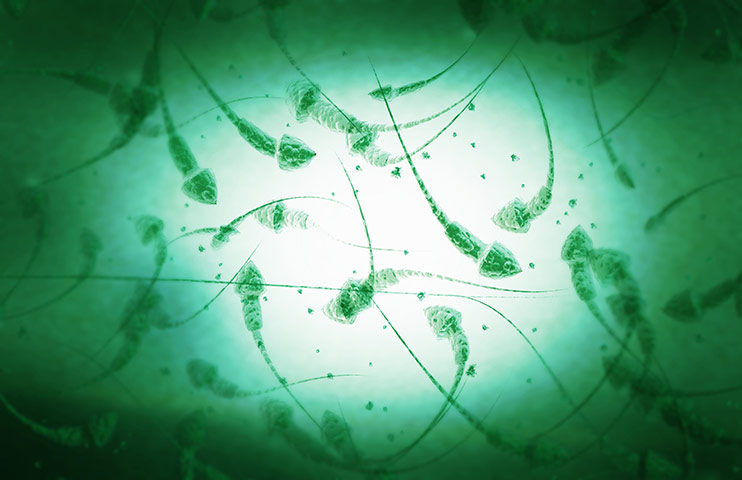
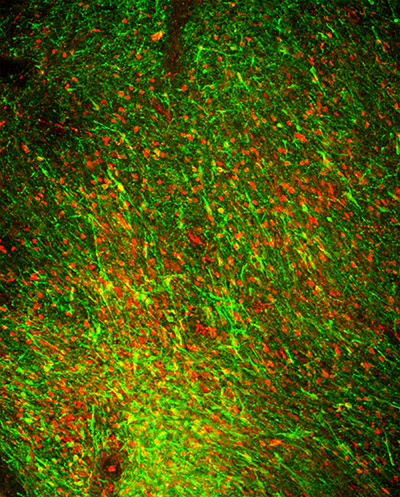
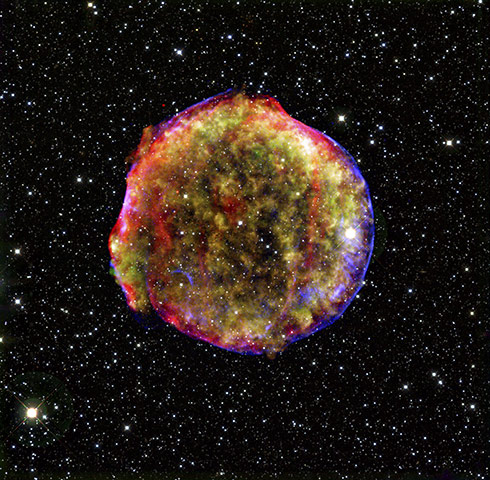
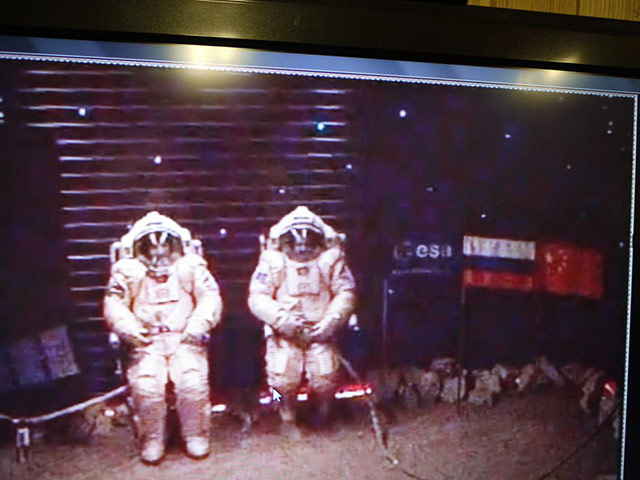
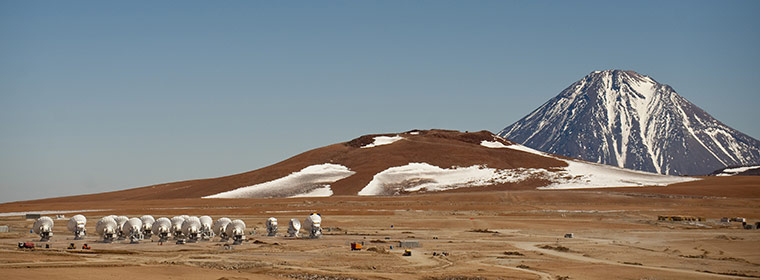
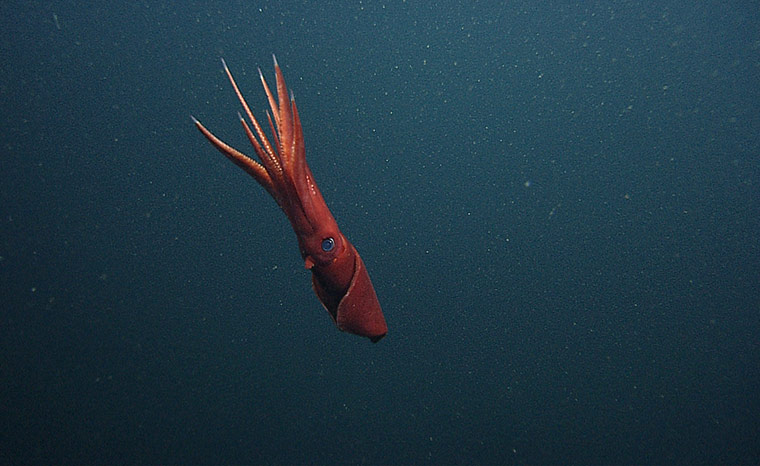
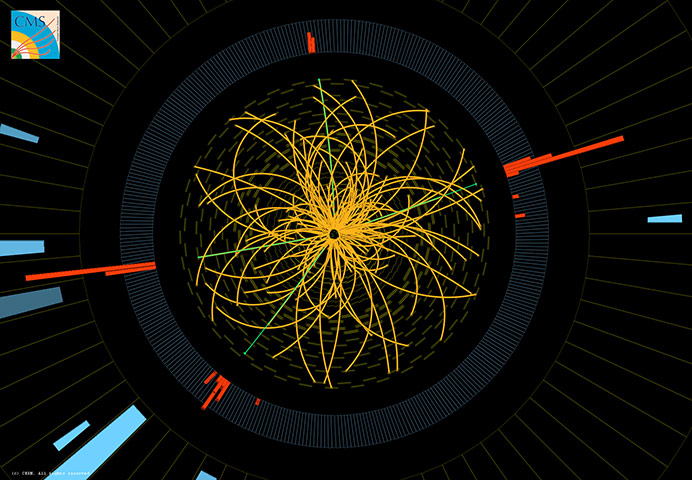
In March, engineers were fighting to save three reactors from meltdown at the Fukushima nuclear power station following a devastating tsunami. Officials from the plant's operator faced the press at daily news conferences in TokyoPhotograph: Franck Robichon/EPAThere was good news for the bilingual. Research published in the journal Neurology suggested that people who speak two languages can hold Alzheimer's disease at bay for an extra four years on average compared with monoglotsPhotograph: Andrew Fox/AlamyA sequence of brain scans was used to create an animation of changes in a woman's brain during orgasm. One of the women involved in the research wrote a blog for the Guardian describing the lengths to which she went to ensure she would stay perfectly still in the MRI scannerPhotograph: thevisualMDWomen taking the contraceptive pill faced a dilemma as a study revealed that while the hormones it contains can make sex less satisfying, relationships tend to last longer Photograph: Christopher Furlong/Getty ImagesNeutrinos were caught breaking the cosmic speed limit – though the reliability of the measurement was immediately challenged. Einstein's theory of special relativity expressly forbids anything from travelling faster than the speed of light, but even after refining their experimental technique, physicists continued to record neutrinos breaking the speed limitPhotograph: Hubble/ESA/NASAThe space shuttle blasted off one last time. Science correspondent Alok Jha and blogger Karen James were at Cape Canaveral to witness the launch and the Guardian looked back at the space shuttle's 30-year career Photograph: Mike Theiss/NG/Getty ImagesIn July researchers claimed that Neanderthals were outnumbered and outclassed technologically by Homo sapiens swarming out of Africa 40,000 years ago. The two species interbred, but there was a downside of sex with Neanderthals. The picture shows skeletons of a chimpanzee (left), a modern human (centre) and a Neanderthal in the American Museum of Natural History in New York Photograph: Daniel Acker/Getty NewsPalaeontologists calculated that a dinosaur with huge hips must have had a fearsome kick. The creature, dubbed 'thunder thighs', may have booted predators and even love rivals. 'It may be that males lined up next to each other, side by side, and kicked the crap out of each other,' said Mike Taylor of University College LondonPhotograph: Francisco Gasco/UCL/PAAn ancient mammal that walked the Earth 94m years ago in the age of the dinosaurs was brought back to life in the pages of the journal Nature, whose press release described it as a 'sabre-toothed squirrel'Photograph: Jorge Gonzalez/Guillermo RougierThe 'oldest bird' Archaeopteryx was knocked off its perch in a controversial studyPhotograph: Jason Edwards/NG/Getty ImagesSperm were grown in a laboratory for the first time. It was mouse sperm not human, but hopes were raised of future treatments for male infertilityPhotograph: 3d4Medical.com/CorbisEmbryonic stem cells were transformed into dopamine-producing brain cells (above) with a view to treating Parkinson's diseasePhotograph: Sonja Kriks/Lorenz StuderThree scientists who watched stars explode and deduced that the universe is expanding at an ever-faster rate won the Nobel Prize in Physics. Meanwhile, Japanese scientists scooped an Ig Nobel prize for inventing the wasabi fire alarmPhotograph: Spitzer Space TelescopeSix men were sealed inside a simulated spaceship in Moscow, where they spent the next 520 days testing how well humans would cope with the stresses of a return trip to Mars. When they 'arrived', two of the crew suited up to perform experiments and plant flagsPhotograph: ESAScience correspondent Alok Jha went to one of the most inhospitable places on Earth, the Chajnantor plateau in the Chilean Andes, where the world's most sophisticated observatory is set to reveal the secrets of the universePhotograph: Martin Bernetti/AFPRemote-controlled submarines revealed the indiscriminate sex life of male deep-sea squidPhotograph: MBARI/AFP/Getty ImagesPhysicists at the Large Hadron Collider came tantalisingly close to discovering the Higgs boson, described by science correspondent Ian Sample as "the most glittering prize in particle physics", but conceded that the bumps in their data may have been the result of random quantum fluctuations Photograph: Thomas McCauley, Lucas Taylo/CERN
Sign up to read this article
Read news from 100’s of titles, curated specifically for you.