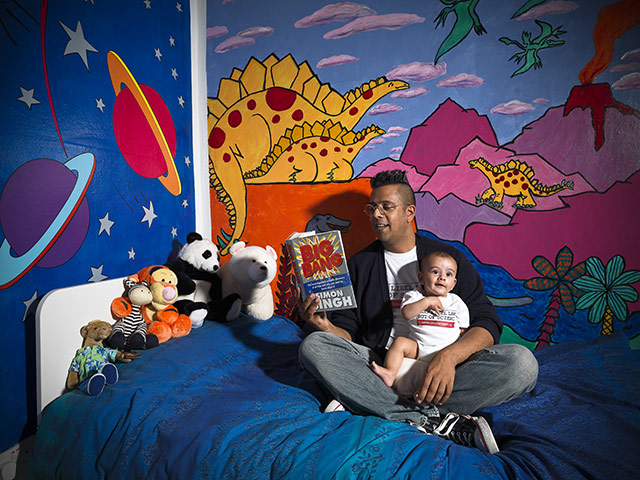
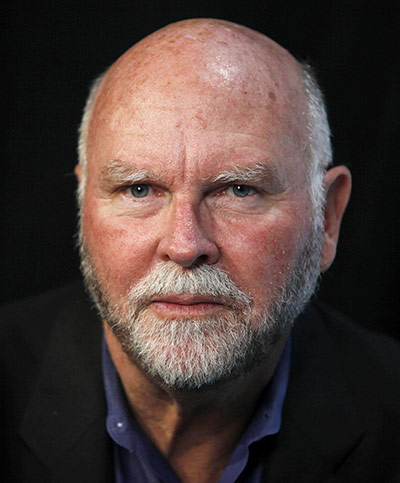
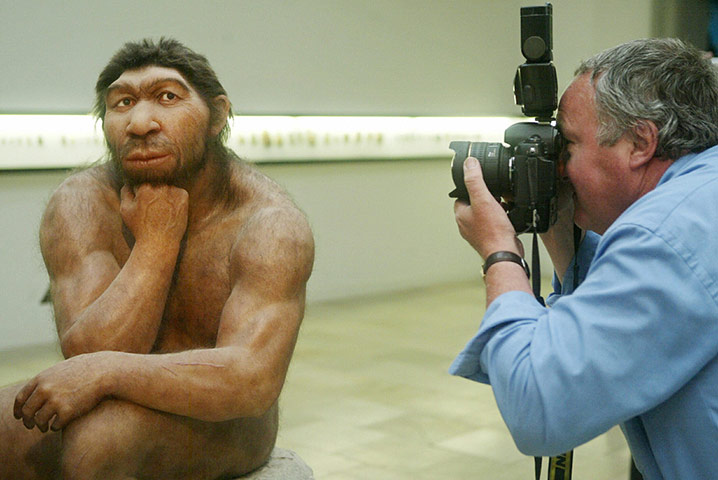
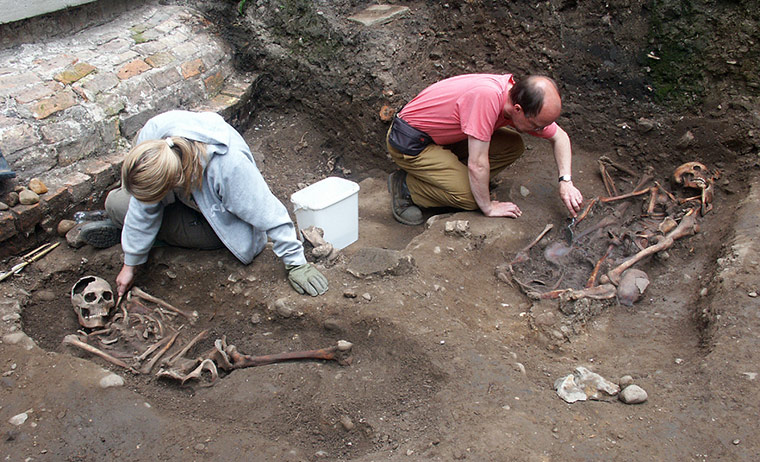
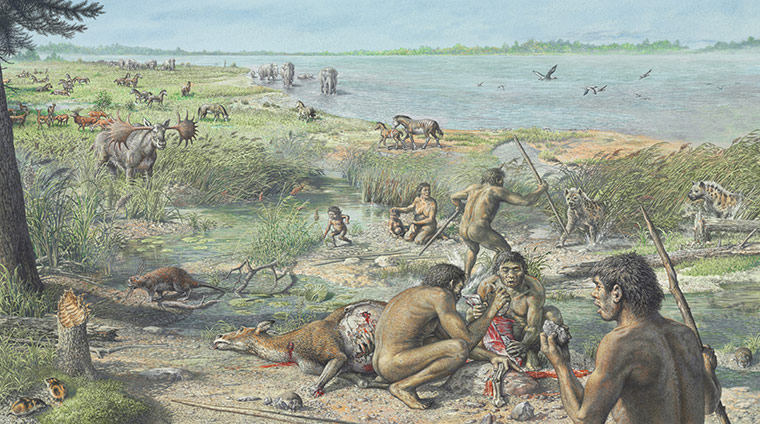
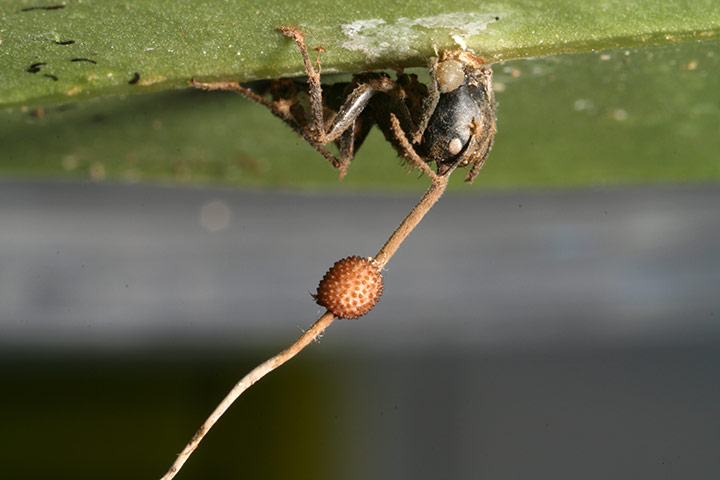
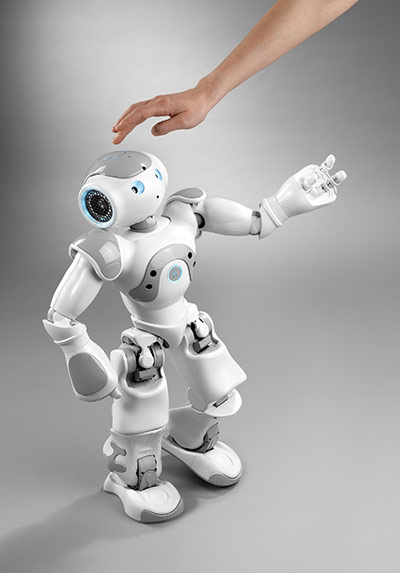
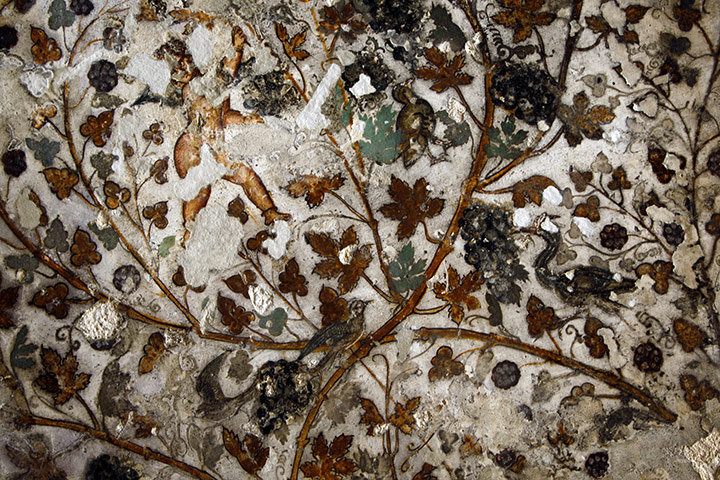
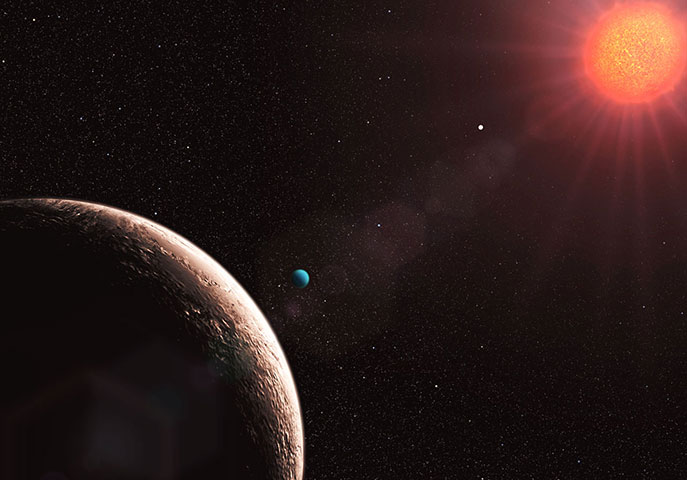
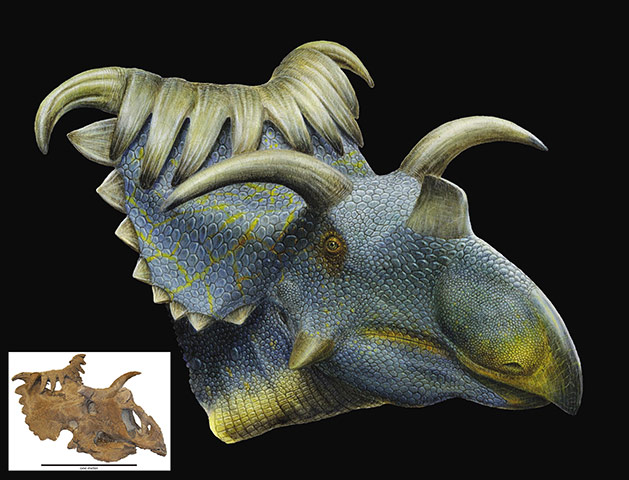
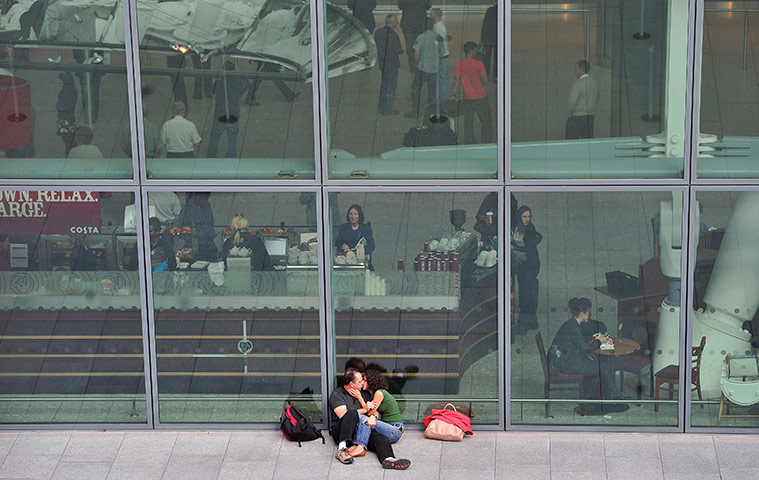
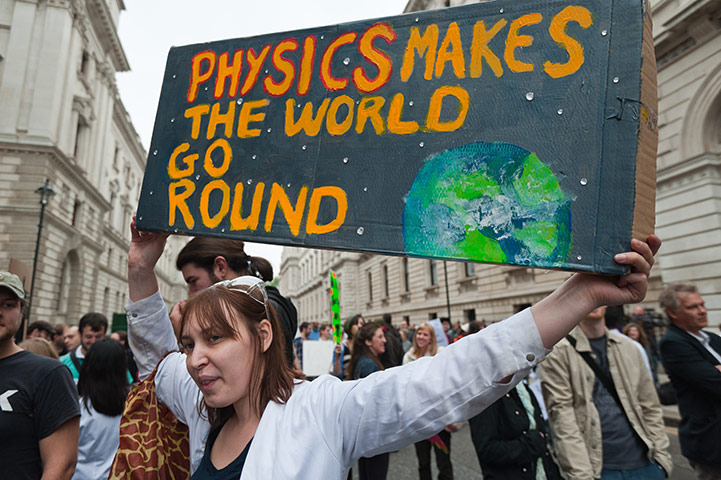
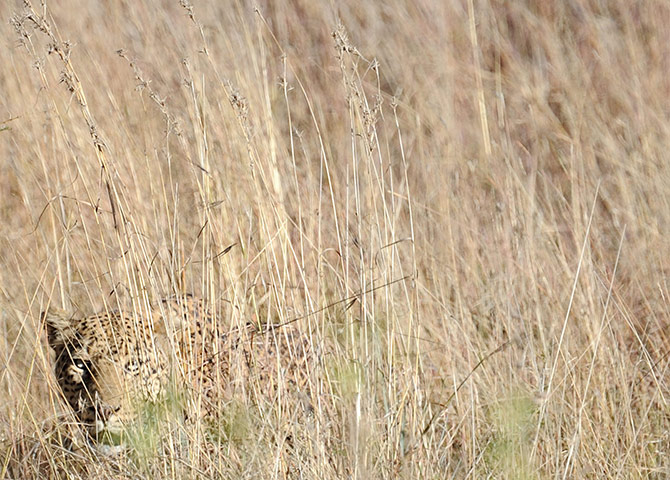
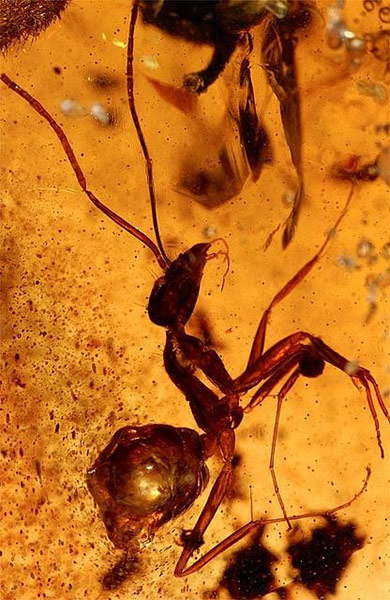
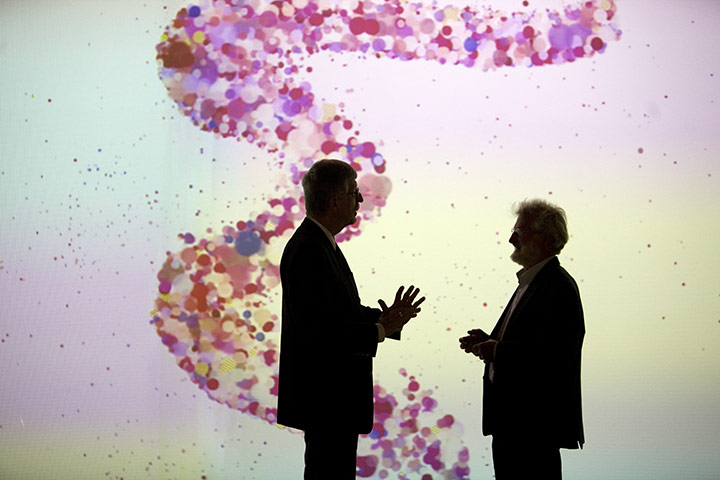
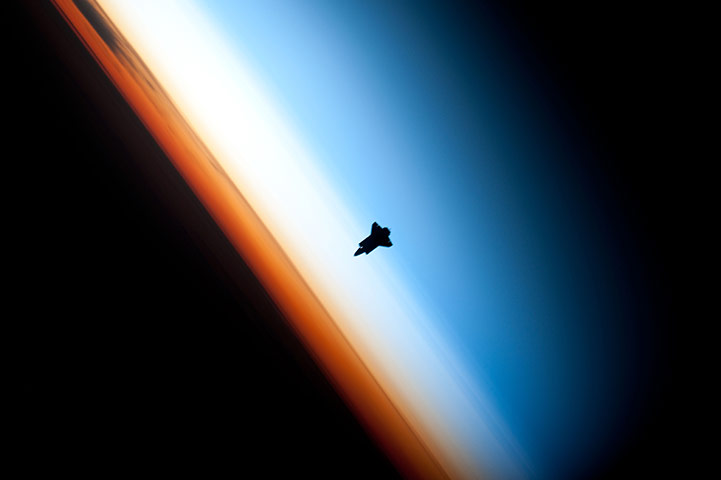
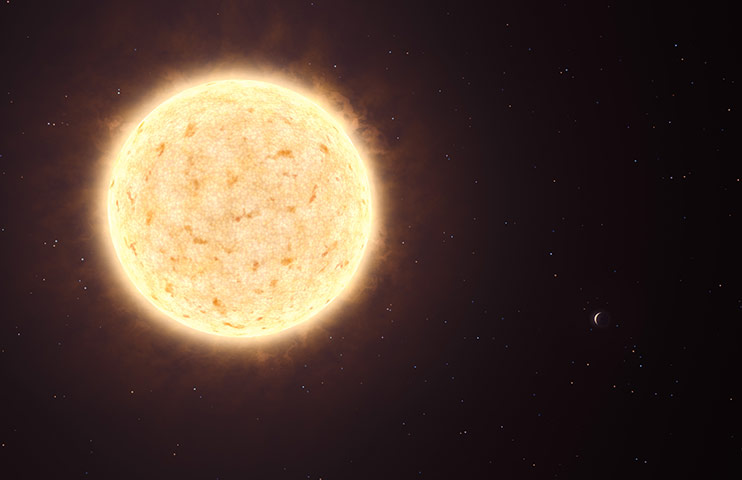
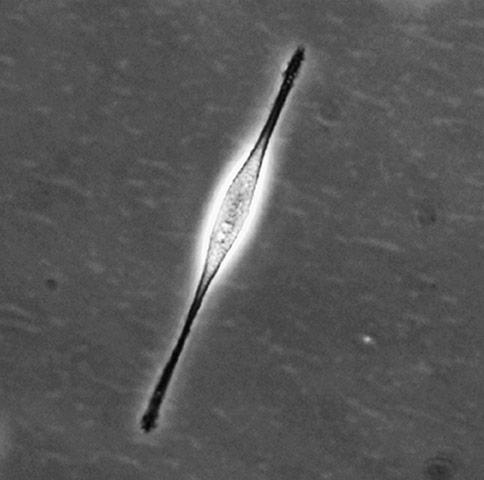
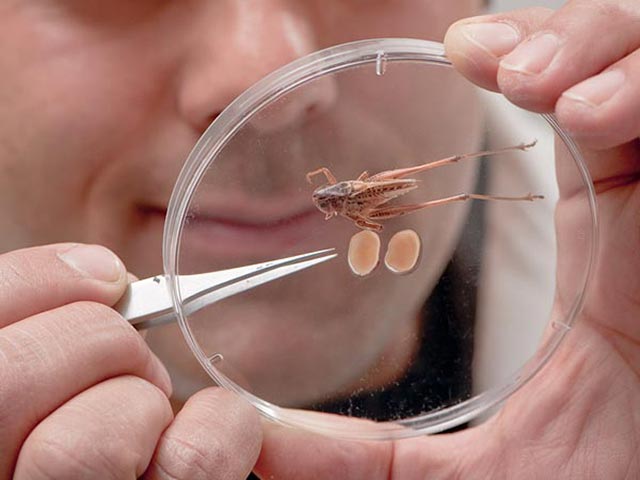
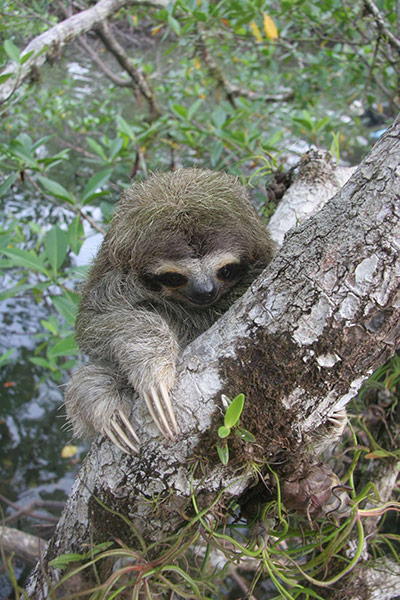
The British Chiropractic Association abandoned its libel action against Simon Singh. The science writer had criticised the BCA in the Guardian for promoting treatments for which there is little evidence. Singh and son (above) feature in the 2011 Geek Calendar to raise funds for the libel reform campaignPhotograph: Ben Gilbert/2011 Geek CalendarMay:Biologist and entrepreneur Craig Venter and his team revealed that they had created the world's first 'synthetic life form', paving the way for designer organisms that are built rather than evolved. They synthesised the genome of an existing bacterium from scratch and used it to 'reprogram' another bacterial cellPhotograph: Jessica Rinaldi/ReutersScientists revealed that up to 4% of our DNA is Neanderthal after the first comparison of the complete genomes of humans and our much maligned cousinsPhotograph: AFPJune: Scars from a lion's bite and hammer marks on decapitated skulls led archaeologists to conclude they had found the world's best-preserved gladiator graveyardPhotograph: C4 Picture/PAJuly: Humans arrived in Britain 250,000 years earlier than thought. Flint tools found on a beach in Norfolk were probably left by hunter-gatherers who lived on the flood plains and marshes bordering an ancient course of the river ThamesPhotograph: John Sibbick/NHMAugust: For 48m years, a fungus has been turning worker ants into zombies, releasing chemicals that alter their behaviour to suit the parasite. In its final act, the zombie ant grasps the underside of a leaf in a 'death grip' – the cue for a spore pod to burst from its headPhotograph: David P. HughesThe first robot able to show emotions, called Nao, was put through its paces by Guardian science correspondent Alok Jha. Nao has been programmed to mimic the emotional skills of a one-year-old child, learning and interpreting specific cues and responding accordinglyPhotograph: PRConservators released the first images of exquisite wall paintings in the cave complex 'Little Petra' at Siq al-Barid in Beidha, Jordan. They spent three years removing two thousand years of soot and grime to reveal the masterpiecesPhotograph: Ali Jarekji/ReutersSeptember: Stephen Hawking and American physicist Leonard Mlodinow argue in their book The Grand Design that gravity not God created the universe. Hawking made his name studying black holes. The picture above, taken by the Hubble space telescope, shows a jet of subatomic particles powered by a black hole streaming from the centre of the galaxy M87Photograph: Hubble Telescope/Nasa/EsaAstronomers discovered a potentially habitable planet of similar size to Earth in orbit around a nearby star, shown in this artist's impression. Gliese 581g is in its solar system's 'Goldilocks zone' – not too hot and not too cold for liquid water to exist Photograph: L. Calçada/ESOThe horniest dinosaur ever discovered – 15-horned Kosmoceratops – was found in UtahPhotograph: Lukas Panzarin/PAWe found out the price of love. On average, having a new romantic partner will mean losing two close friends from your inner circlePhotograph: Carl De Souza/AFPAround 2,000 demonstrators rallied outside the Treasury in London in an effort to convince Chancellor George Osborne that science is vitalPhotograph: Peter Marshall/DemotixOctober: A hundred years after Kipling's Just So story How the Leopard Got His Spots, evolutionary biologists showed that cats hunting on open, rocky ground by daylight tend to have plain-coloured coats, while those that pounce from rainforest tree branches typically have dappled furPhotograph: Vassil Donev/EPAOctober: Fossil hunters unearthed 150kg of amber in a coal mine in India containing more than 700 arthropod specimens. The animals were entombed in tree resin some 52m years ago, before the Himalayas existedPhotograph: University of Bonn/PAThe 1000 Genomes Project completed its first map of human genetic variation. Thousands of human genomes are being used to catalogue the full diversity of human DNA with a view to improving our understanding of disease. The map was published 10 years after the first draft of the human genome, an anniversary celebrated this year by genome pioneers Francis Collins (left) and John Sulston (right) Photograph: Martin Argles/GuardianNovember:The US space shuttle programme faced its final countdown and the Observer's Robin McKie asked why, 30 years after the reusable vehicle promised to make space travel commonplace, the project fell from gracePhotograph: NasaAstronomers spotted a dying star and its accompanying planet that originated outside our galaxyPhotograph: L. Calçada/ESODoctors injected neural stem cells into a man's brain as part of the world's first clinical trial of the therapy in stroke patients. They hope the cells will stimulate the growth of new neurons and reduce inflammation caused by the strokePhotograph: Handout/Getty ImagesThe animal kingdom gained a new record holder after scientists declared that a species of cricket has the largest known testes of any creature relative to its body massPhotograph: Richard Richards/University of DerbyThe Zoological Society of London published a list of 100 globally endangered species, including the pygmy three-toed sloth (above). The miniature sloth, which is confined to a single island off the coast of Panama, is the smallest and most threatened of all slothsPhotograph: Bryson Voirin/ZSL
Sign up to read this article
Read news from 100’s of titles, curated specifically for you.