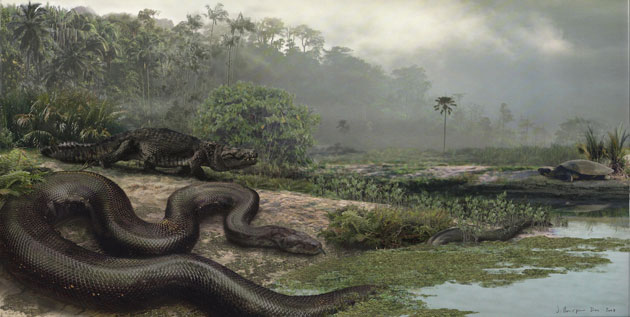
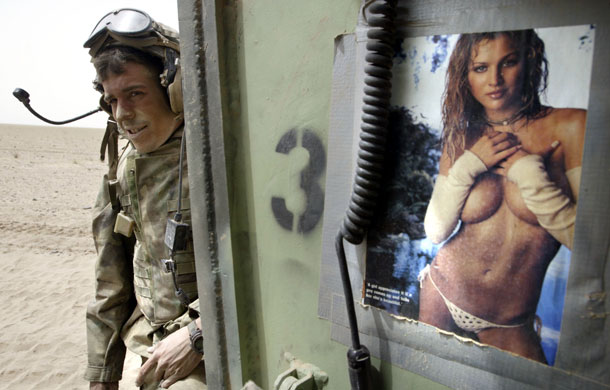
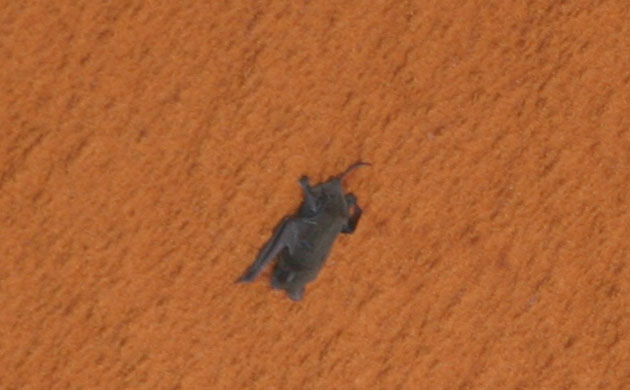
Undated University of Florida handout artist's impression of the giant snake Titanoboa cerrejonensis which measured 43 feet, weighed as much as a small car, and had a body more than a yard thick. The monster relative of the boa constrictor lived in northern Colombia 60 million years ago.Photograph: Jason Bourque/guardian.co.uk21 Mar 2003, Iraq --- A U.S. marine covered in dust and sand stands by his vehicle in a desert in southern Iraq March 21, 2003. U.S. and British ground forces poured into Iraq on Friday meeting pockets of resistance as thousands of tanks and armored vehicles set off for a dash to Baghdad across the desert wilderness. Photograph: Damir Sagolj /guardian.co.ukThe bat was seen on the external tank as the shuttle cleared the launch tower at NASA's Kennedy Space Center.Photograph: guardian.co.uk
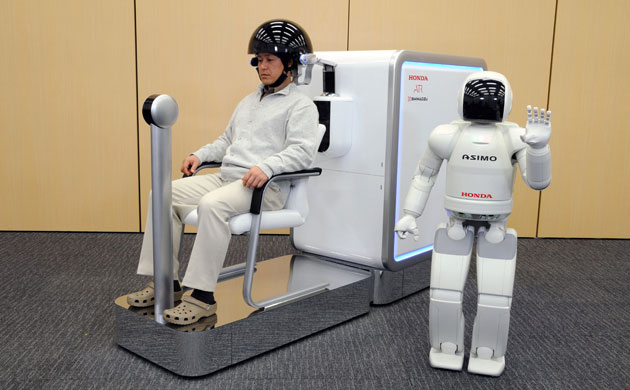
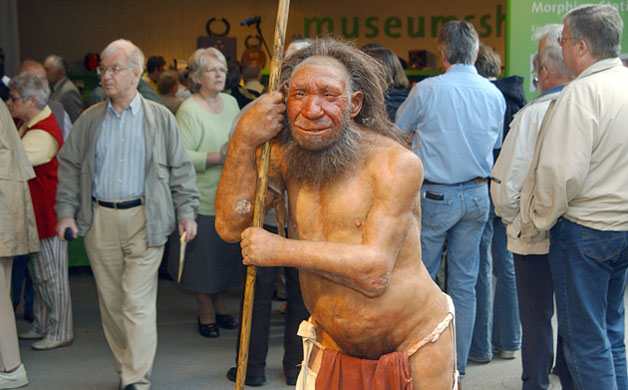
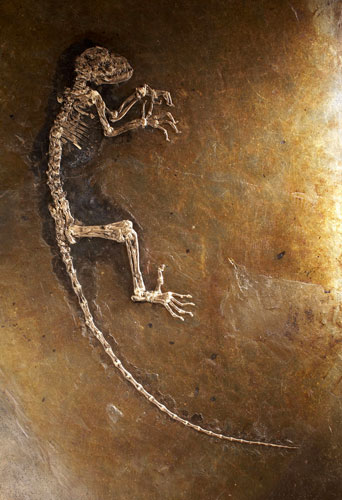
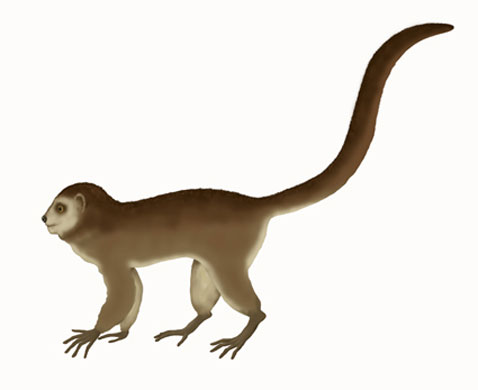
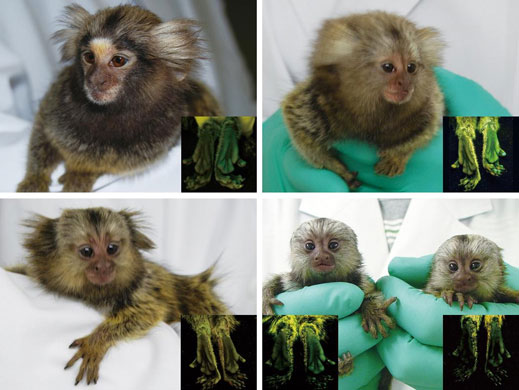
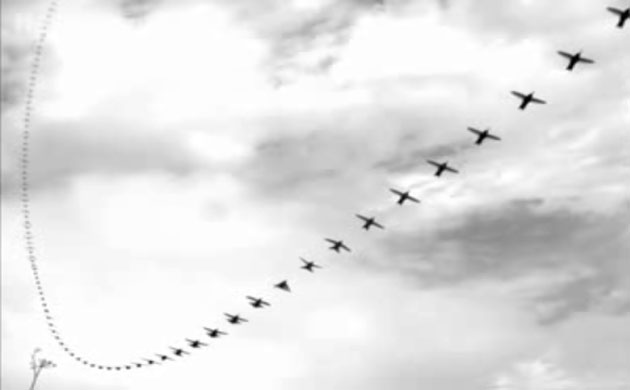
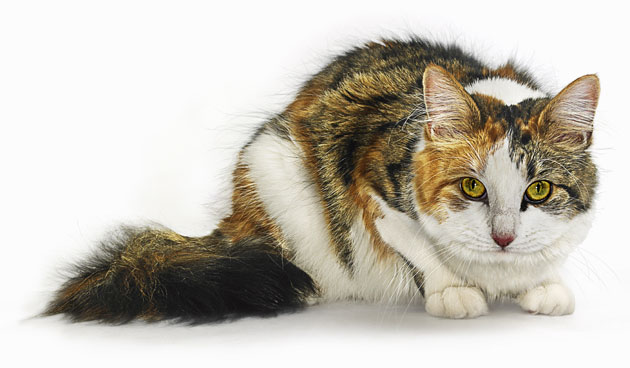
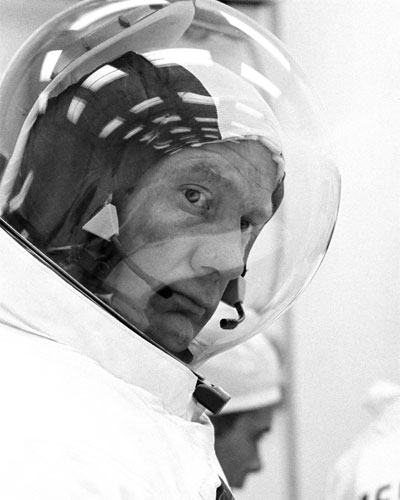
This free tail bat was hanging on to space shuttle Discovery as the countdown proceeded.Photograph: guardian.co.ukWorld's First Brain Machine Interface Technology which uses Electroencephalography, Tokyo, Japan - 31 Mar 2009. Honda has unveiled a new robot that is controlled by human thought. According to the Japanese company, a helmet-like device measures a person's brain activity before wirelessly sending a signal to the robot to tell it what to do. The latest version of Hondo's ASIMO robot, which can already dance, run and guide guests through an office floor, has now been fitted with this so "brain machine interface" (BMI). The state-of-the-art BMI technology uses EEG, which measures changes in electrical potential on the scalp, and NIRS, which measures changes in cerebral blood flow, along with newly developed information extraction technology that enables the complex information from these two types of sensors to be processed. In laymen's terms, the robot 'controller' simply has to think about performing a certain move themselves and this information is then sent to the robot.Photograph: Sinopix/guardian.co.ukA Neanderthal man in the lobby of the Neanderthal Museum, Mettmann, North Rhine Westphalia, Germany. Photograph: Horst Ossinger/guardian.co.ukphoto provided by The Link shows a 47 million year-old skeleton of the most complete fossil primate ever found, unveiled May 19, 2009 at the American Museum of Natural History in New York. The University of Oslo and the Senckenbert Research Institute revealed the young female specimen, nicknamed "Ida", which was found in Germany's Messel Pit.Photograph: guardian.co.ukReconstruction of Ida Photograph: guardian.co.ukThe six new recruits to the European Astronaut Corps at EAC, 2009. The new astronauts are: Timothy Peake, from Chichester, UK. Andreas Mogensen, from Copenhagen, Denmark. Alexander Gerst, from Künzelsau, Germany. Luca Parmitano, from Paternò, Italy. Samantha Cristoforetti, from Milan, Italy. Thomas Pesquet, from Rouen, France.Photograph: M. Koell/guardian.co.ukCentral Institute for Experimental Animals handout photo of five transgenic marmosets Hisui, (top left) Wakaba, (top right) Banko, (bottom left) and Kei (bottom right, left) and Kou (bottom right, right). When observed in UV, the skin on the soles of the feet glow green. The marmosets carry a fluorescent protein gene that causes their skin to glow under ultraviolet light. Most dramatically, the scientists were able to show that the gene could be inherited by offspring.Photograph: E.Sasaki/guardian.co.ukA male Anna's hummingbird caught during a display dive, compiled from high speed video. At the bottom of the dive, the bird flares its tail for 60 milliseconds. The inner vanes of the bird's two outer tail feathers vibrate in the 50 mph airstream to produce a brief chirp.Photograph: Christopher J. Clark and Teresa Feo/guardian.co.ukCat staringPhotograph: Gandee Vasan/guardian.co.ukAstronaut Buzz Aldrin suits up for Countdown Demonstration Test July 5
Apollo 11
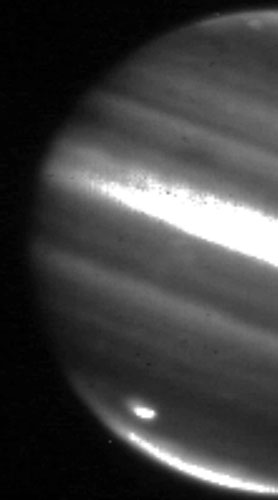
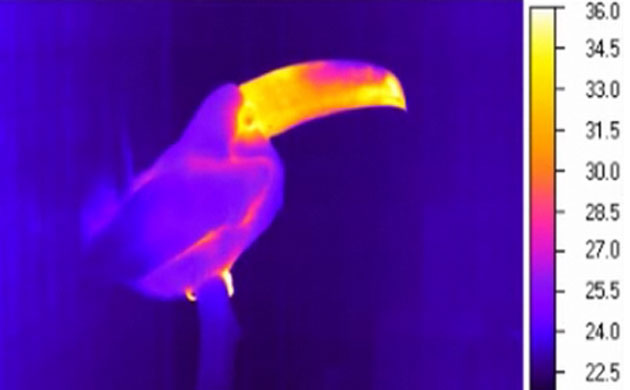
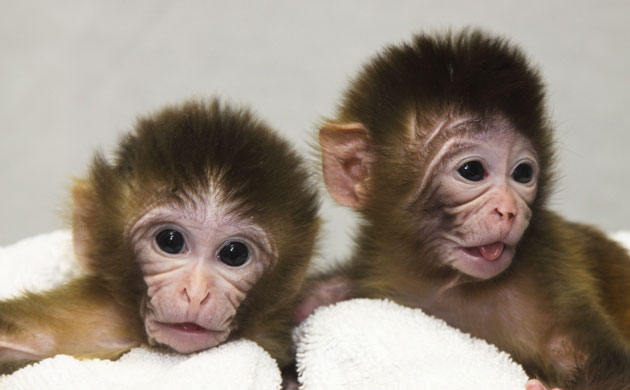
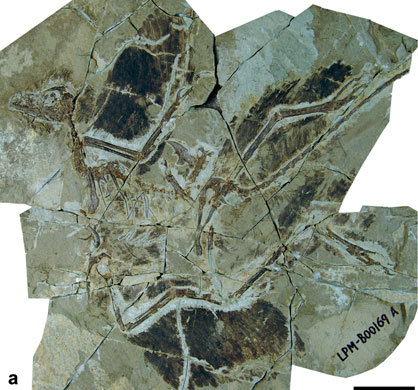
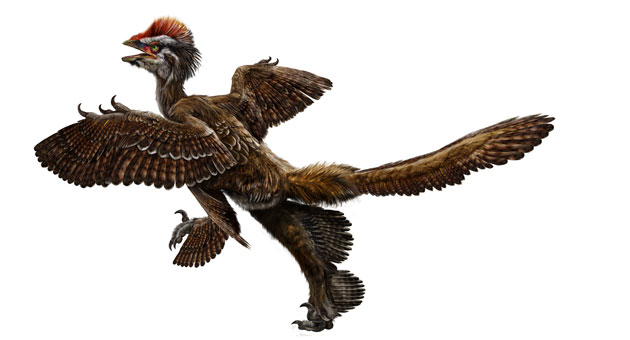
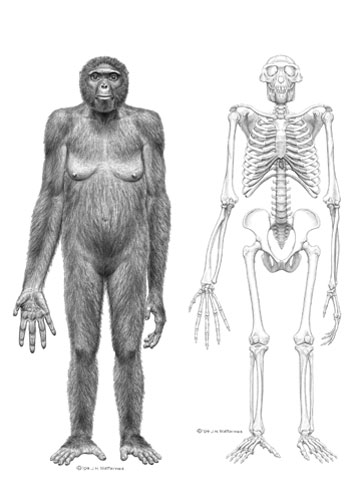
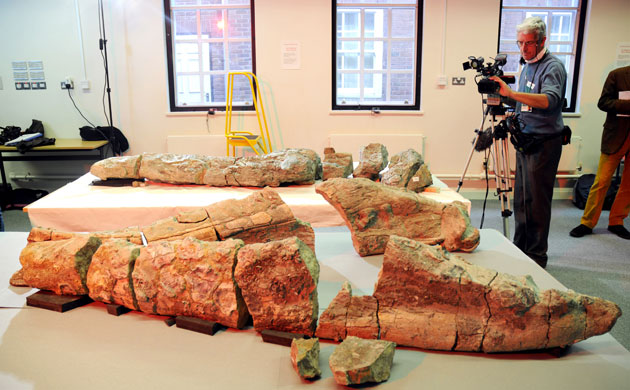
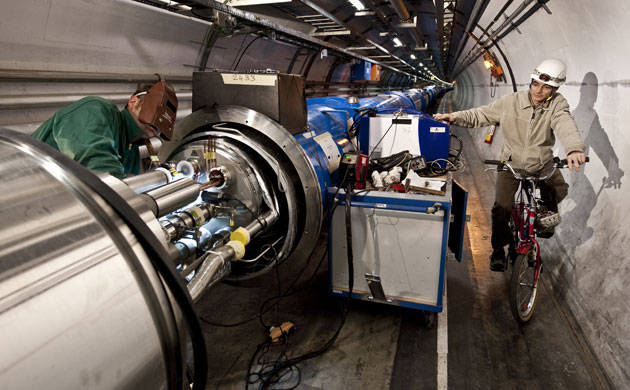
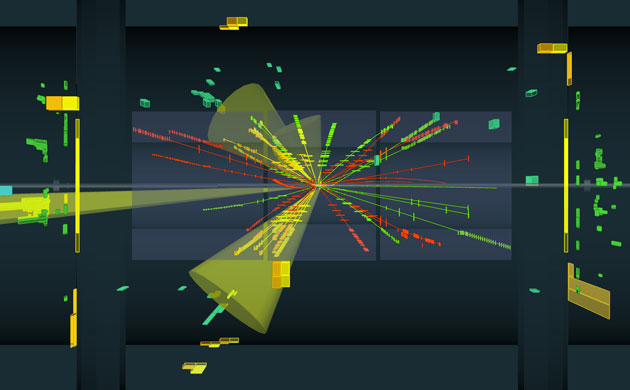
Photograph: guardian.co.ukThis image shows a large impact shown on the bottom left on Jupiter's south polar region captured on July 20, 2009, by NASA's Infrared Telescope Facility in Mauna Kea, Hawaii. Photograph: HO/guardian.co.ukToucans use their enormous bills to keep their coolPhotograph: Glenn Tattersall/Brock University used/guardian.co.ukThe monkeys with three parents that could stop mothers passing on incurable diseases Macaque twins Mito, left, and Tracker whose birth could lead to eradication of human genetic diseases. Photograph: William F. Sutton//guardian.co.ukFrance: The band Metallica in a unique live concert during the 'Rock en France' festival in ArrasPhotograph: Stringer/guardian.co.ukHandout photo issued by the University of Bristol of a fossil of the feathered dinosaur, Anchiornis huxleyi , which experts think will provide hard evidence that prehistoric creatures evolved into birds. The new dinosaur fossils, disclosed today, representing five different species from two different rock sequences in north-eastern China, all have feathers or feather-like structures. Photograph: University of Bristol/guardian.co.ukIn this undated image provided Friday Sept. 25, 2009, by Bristol University, England, showing a reconstruction image extrapolated from a feathered dinosaur fossil, called Anchiornis huxleyi, discovered in north-eastern China. Experts at Bristol University think the fossil provides hard evidence that some prehistoric creatures evolved into birds. The new dinosaur fossils, represent five different species from two different rock sequences in north-eastern China, all having feathers or feather-like structures from a prehistoric period older than previous fossil feathered animals. Photograph: Hu Dongyu/guardian.co.ukFossil Ardi reveals the first steps of the human race Combo of the reconstructed frontal view of the skeleton "Ardi." The story of humankind is reaching back another million years with the discovery of "Ardi," a hominid who lived in what is now Ethiopia 4.4 million years ago. http://www.guardian.co.uk/science/2009/oct/01/fossil-ardi-human-racePhotograph: J.H. Matternes/guardian.co.ukFossilised skull of 'sea monster' pliosaur found on Dorset coast An artist's impression of a 45-ton pliosaur attacking. Photograph: guardian.co.ukGiant Pliosaur skull and jaw section found in many pieces in the Jurassic Coast. The fossilised remains of a Jurassic 'sea monster' have been unveiled in Dorset on 27 October 27 2009. The massive skull and jaws belong to a Pliosaur, an enormous creature that lived 150 million years ago and, according to experts, could have bitten a car in half. Pieces of the 7.8ft (2.4m) skull were unearthed gradually by several different fossil hunters over a period of five years. They have now been pieced back together ready for cleaning and preservation before going on display at Dorset County Museum. Scientists believe the creature the skull belonged to would have been 16m in length - one of the largest pliosaurs ever found. Pliosaurs belonged to a group of giant aquatic reptiles that lived in the seas around the same time dinosaurs roamed the Earth.Photograph: Geoff Moore/guardian.co.ukProfessor David Nutt during a talk hosted by Centre for Crime and Justice Studies, King's College, London, November 11, 2009.Used to be chairman of Advisory Council on the Misuse of Drugs (ACMD) but was forced to resign after coming into conflict with Alan Johnson, the Home Secretary over the classification of certain drugs.Photograph: Facundo Arrizabalaga/guardian.co.ukWelding interconnections on a magnet sector 3-4 Date: 09 Apr 2009 .Keywords: welding; tunnel; RepairsPhotograph: Maximilien Brice/guardian.co.ukFirst 2.36 TeV Collision Events recorded by the ATLAS experiment, December 8th and 14th, 2009.n Tuesday evening, December 8th, 2009, the LHC achieved for the first time 2.36 TeV collisions and ATLAS recorded their first events at this record energy. More events at this energy were taken on December 14th in the early morning...Photograph: ATLAS collaboration .Date: 14 Dec 2009 .Keywords: ATLAS; collision; event; LHCFirstPhysics; lhcfirstphysics; high; energy .Access: DIGITALPhotograph: guardian.co.uk
Sign up to read this article
Read news from 100’s of titles, curated specifically for you.